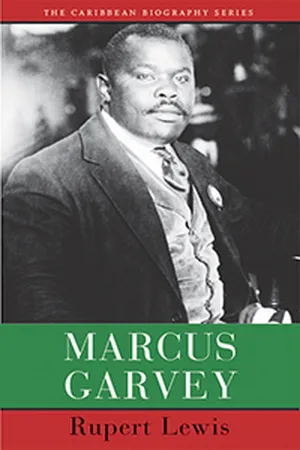
This biography of Marcus Garvey documents the forging of his remarkable vision of pan-Africanism and highlights his organizational skills in framing a response to the radical global popular upsurge following the First World War (1914–1918). Central to Garvey's response was the development of organizations under the umbrella of the Universal Negro Improvement Association and African Communities League, which garnered the transnational support of several million members and sympathizers and challenged white supremacist practices and ideas.
Garvey established the ideological pillars of twentieth century pan-Africanism in promoting self-determination and self-reliance for Africa's independence. Although Garvey travelled widely and lived abroad in New York and London, he spent his early years in Jamaica. Rupert Lewis traces how Garvey's Jamaican formation shaped his life and thought and how he combated the British colonial authorities as well as fought deep-rooted self-doubt and self-rejection among Jamaican black people. Garvey's much neglected political and cultural work at the local level is discussed as part of his project to stimulate self-determination in Africa and its diaspora.