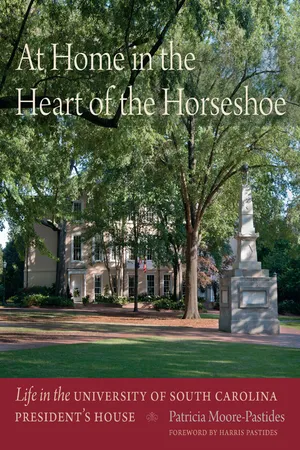
At Home in the Heart of the Horseshoe
Life in the University of South Carolina President's House
- 200 pages
- English
- ePUB (mobile friendly)
- Available on iOS & Android
At Home in the Heart of the Horseshoe
Life in the University of South Carolina President's House
About this book
A pictorial and narrative tour of a historic landmark at the center of the university's original campus
The University of South Carolina was founded in 1801 on a modest parcel of land now called the Horseshoe. While the campus has grown well beyond its original borders, the oak-lined and gated historic Horseshoe remains the heart of campus life. At Home in the Heart of the Horseshoe pays tribute to the handsome regency-style structure at the midpoint of the historic Horseshoe. Constructed in 1854 to house faculty families, then used for sororities, the residence ultimately became the official President's House in 1952. Through the stories and images in this beautiful book, Patricia Moore-Pastides provides a window into life at the University of South Carolina President's House from her perspective as First Lady.
Through these pages readers will discover the ways in which the house has become a central location for enriching and celebrating the university community. Beginning with Mrs. Russell's famous senior dinners in the 1950s, the tradition of entertaining continues. From small formal dinners to garden receptions for several hundred, the President's House is alive with celebration. A multitude of thoughtfully planned festivities embrace the entire university community, honoring students, parents, alumni, faculty, staff, donors, legislators, and national and international leaders.
At Home in the Heart of the Horseshoe is the first book to feature the workings of the President's House and gardens. A pictorial tour through all the public rooms calls attention to the provenance of special antiques and works of art. Presidential events are described and illustrated in charming photographs, and delectable recipes and novel flower-arrangement ideas are shared.
Perhaps most compelling are the stories from family members who have lived in the President's House. Through interviews with wives and children—and in one case a grandchild—of former university presidents, readers are privy to their most vivid memories of life in the house and recollections of campus happenings. Experiencing the house as her home, Moore-Pastides shares highlights of her years as First Lady, including the most poignant times as well as the lighter moments.
From thieving pets to helpful ghosts, panty raids to Vietnam War protests, and visits from brownie scouts to Pope John Paul II, the tales shared here will warm the heart and in a few cases make readers laugh aloud. And the more than two hundred personal and archival images will reveal not only the evolution of this beautiful historic structure but also the people who made the house a home.
Tools to learn more effectively

Saving Books

Keyword Search

Annotating Text

Listen to it instead
Information
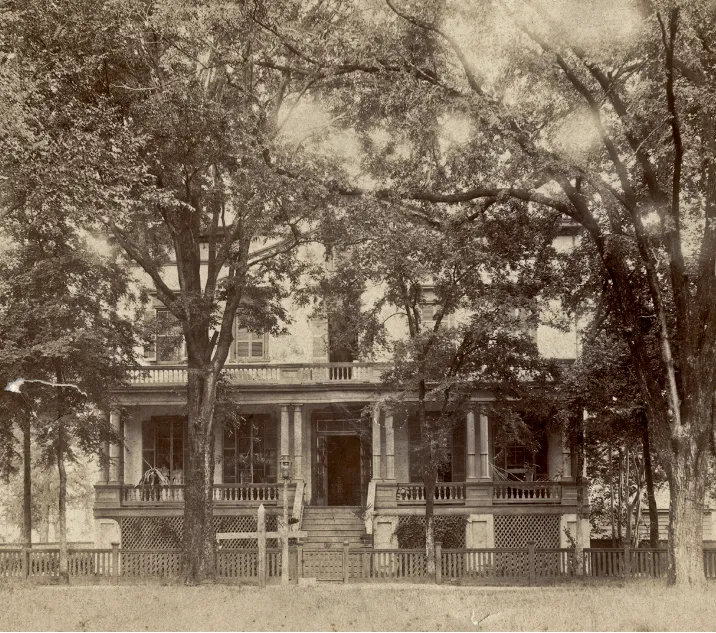
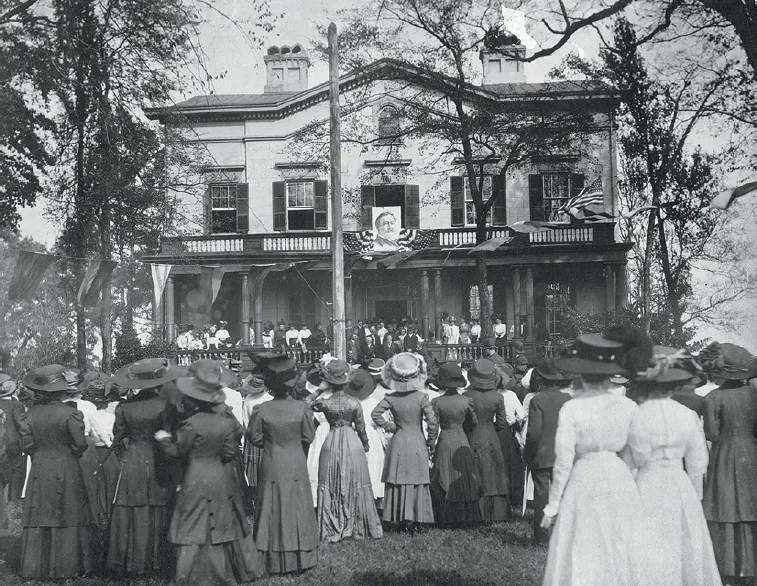
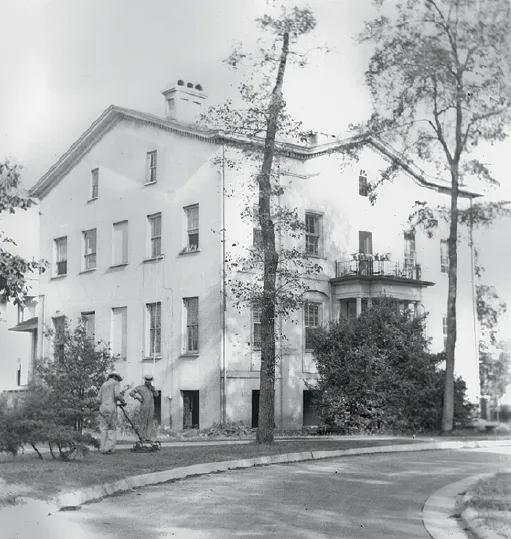
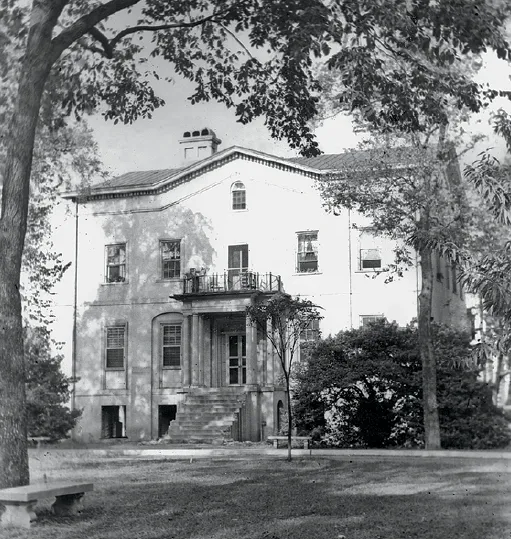
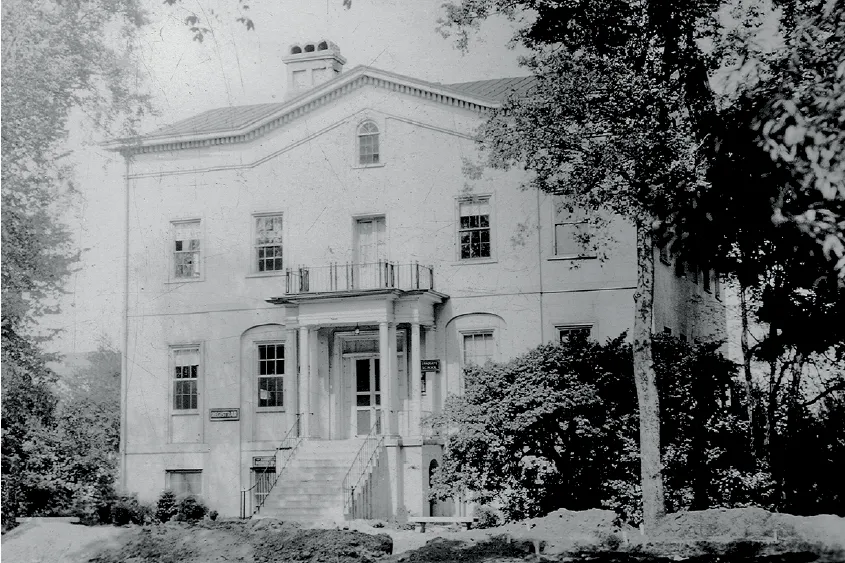
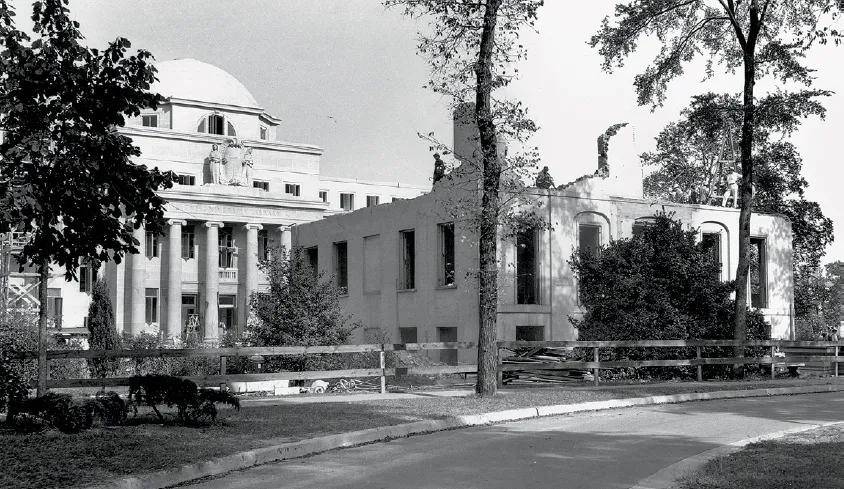
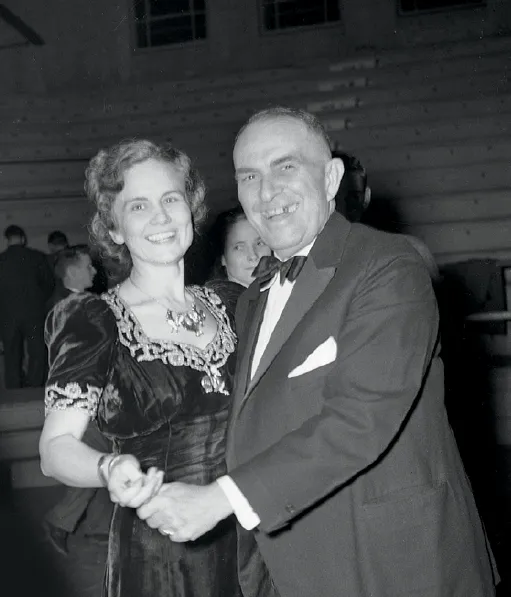
| 1854 | The regency-style duplex is opened as a residence for two faculty families. |
| 1865 | Trinity Episcopal Church rents the east side for a brief time. |
| 1883–1930 | Chemistry professor William B. Burney resides in the east side of the house for forty-seven of the fifty-one years he teaches at the University of South Carolina. |
| 1903–1943 | English professor George A. Wauchope, author of the lyrics to “We Hail Thee Carolina,” resides in the west side of the house. By the early 1900s the house is known as the Wauchope House. |
| 1931–1944 | Dean of Journalism J. Rion McKissick moves into the east side of the house. He continues living there after becoming university president in 1936, remaining until his death in 1944. |
| 1944–1949 | The residence serves as women’s housing. |
| 1949–1952 | The house is vacant and in need of repair. |


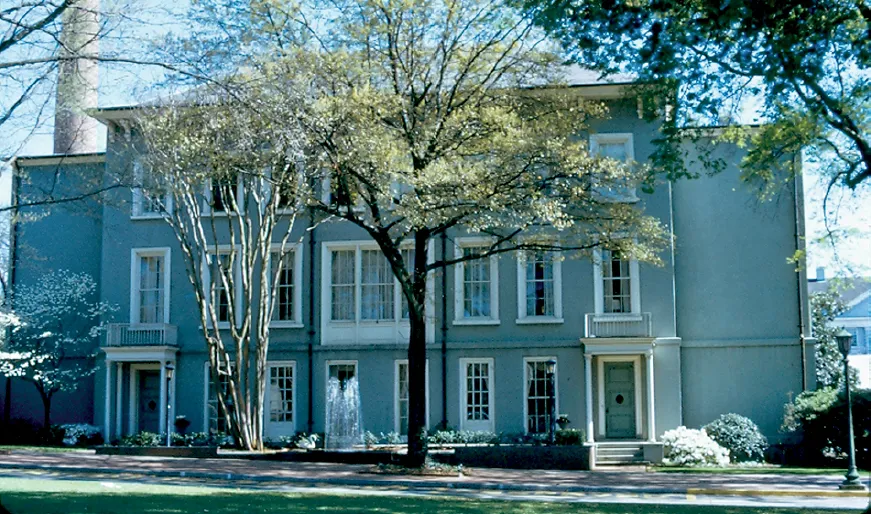
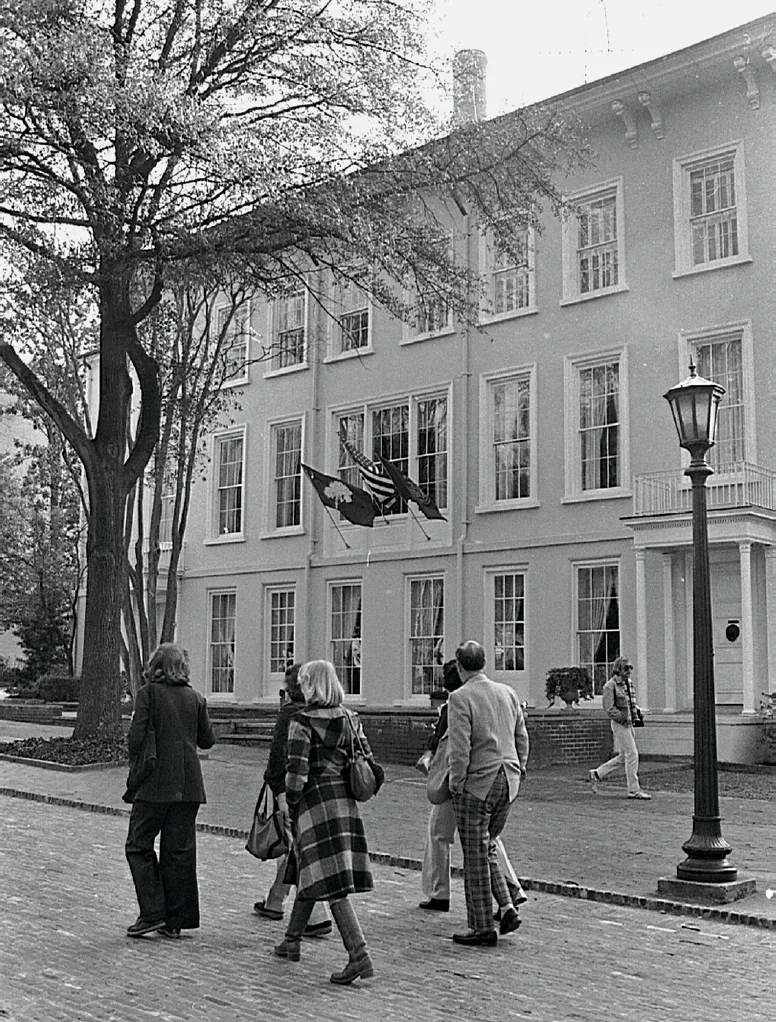
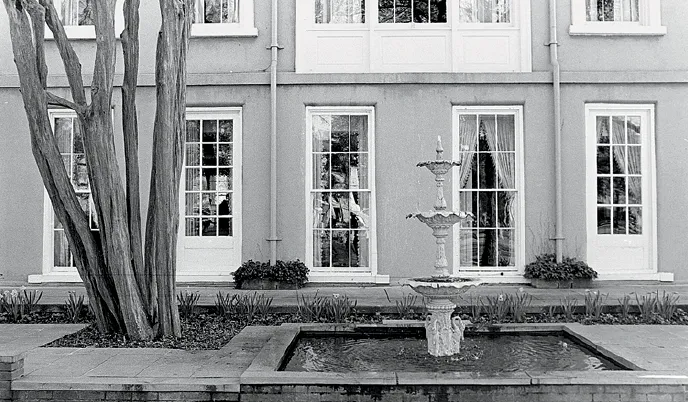
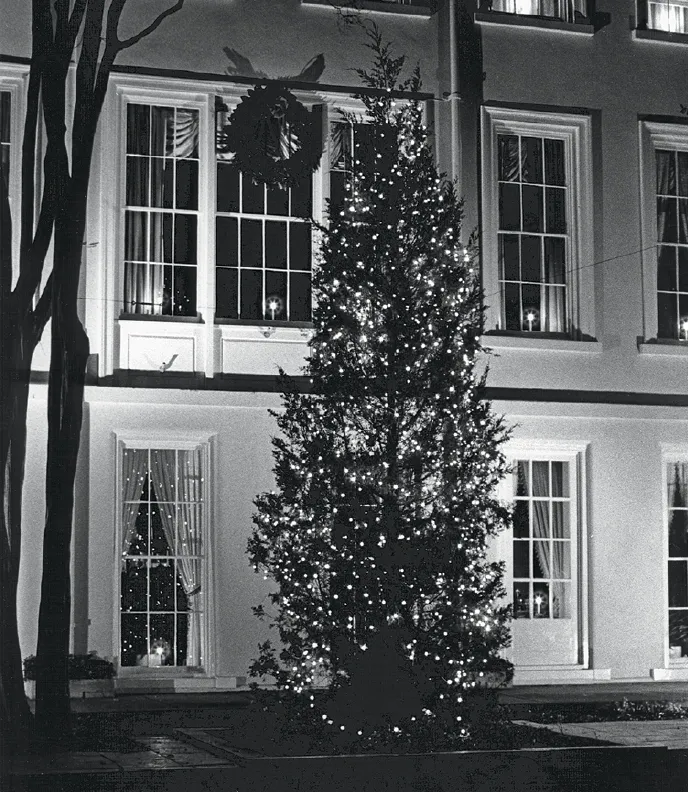
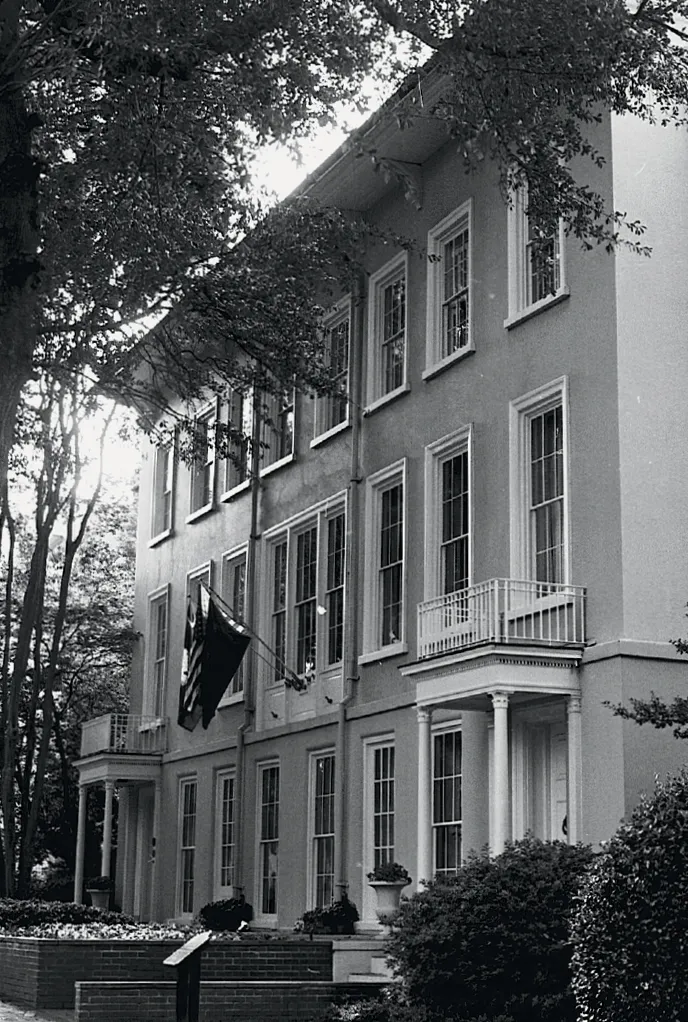

Table of contents
- Cover
- Title Page
- Copyright
- Dedication
- Contents
- Foreword
- Preface
- Acknowledgments
- Part One. The House and First Families of the Past
- Part Two. The House and First Family Today
- Part Three. Entertainment Ideas for Your House
- References
- Index
Frequently asked questions
- Essential is ideal for learners and professionals who enjoy exploring a wide range of subjects. Access the Essential Library with 800,000+ trusted titles and best-sellers across business, personal growth, and the humanities. Includes unlimited reading time and Standard Read Aloud voice.
- Complete: Perfect for advanced learners and researchers needing full, unrestricted access. Unlock 1.4M+ books across hundreds of subjects, including academic and specialized titles. The Complete Plan also includes advanced features like Premium Read Aloud and Research Assistant.
Please note we cannot support devices running on iOS 13 and Android 7 or earlier. Learn more about using the app