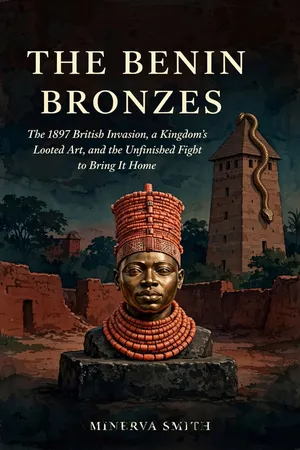
In 1897, a British force invaded Benin City, defeated its defenders, and carried the treasures of the royal palace out to the coast.
Royal plaques, carved ivory, and bronze sculptures of extraordinary skill left West Africa aboard British ships. Some were kept by the men who took them, some were sold through dealers and auction houses, and within a few years they had spread into museums and private collections across Europe and North America.
For generations, they were displayed as masterpieces of world art, while the circumstances of their arrival were rarely discussed. In the 1970s, Nigeria began formally asking for them back. In 1977, the British Museum refused to lend a famous ivory mask for a festival celebrating African culture in Lagos, and a replica took its place. Museums pointed to their collection rules, to the passage of time, and to the claim that the objects had been legally acquired.
Then the argument began to shift. In 2021, a Cambridge college handed a bronze cockerel to Nigeria. Germany agreed to transfer ownership of its Benin collections. The Netherlands, Switzerland, and a growing number of institutions followed. Yet the return has opened harder questions. Who owns the objects, and where should they be kept? And what happens when the world's most visited museums say the law will not let them let go?
The Benin Bronzes tells the story of a kingdom's artistic genius, the invasion that scattered its heritage, and the unfinished fight to bring it home. It is a history of craftsmanship, colonial looting, and a dispute that continues to test some of the world's most powerful museums.
The bronzes have survived. The question of where they belong is still being decided.