Kids with "bad" behavior aren't inherently "bad" kids…
…and behavior problems don't occur in isolation. So why do we treat them like they do?
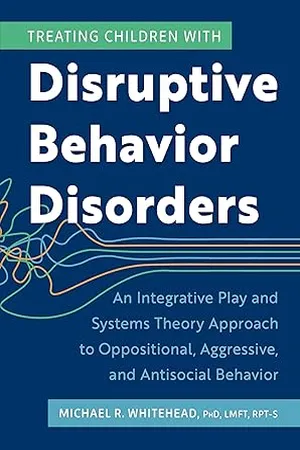
In Treating Children with Disruptive Behavior Disorders, clinicians will find a family-focused, phasic treatment approach known as integrative systemic play therapy (ISPT), which is designed for children and adolescents who exhibit challenging, defiant, violent, or antisocial behaviors.
Rooted in family systems and play therapy, ISPT works to address the needs of the child and the system—that is, the relational interactions and processes in the family that are contributing to the presenting problem—rather than focusing on the child alone. Featuring handouts, vignettes, personal stories, and more, this clinical guide walks you through each phase of ISPT so you can:
- Reset family dynamics to break cycles of reactivity, power struggles, and punishment
- Restore the child's sense of "goodness" and inherent worth
- Reframe behavior problems as requests for connection, safety, and recognition
- Help children and their adults regulate, cope, and communicate more effectively
- Empower parents to serve as the main change agents in their child's life
- Address triangulation, ineffective commands, and other unhelpful patterns on the spot
Kids who act out are often only seen for their behavior, and not for who they really are. By recognizing the needs that underlie these behaviors—and the systems that reinforce them—you can facilitate paradigm-shifting change for the entire family.