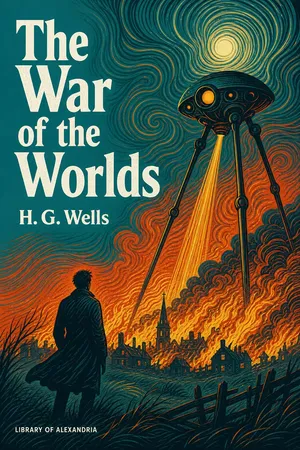
The invaders have superior weapons. Humanity has nowhere to hide.
First published in 1898, H. G. Wells's The War of the Worlds turns the familiar landscape of England into the scene of an alien invasion. When mysterious cylinders arrive from Mars, curiosity soon becomes terror. Towering fighting machines advance through the countryside, wielding heat rays and poisonous black smoke, while crowds flee toward a London that offers no promise of safety.
Through an unnamed narrator's struggle to survive, Wells follows the collapse of everyday certainties: secure homes, trusted institutions, and the belief that human beings stand above every other form of life. The novel's suspense is inseparable from its larger questions about imperial conquest, technological power, and human vulnerability. By placing a confident society at the mercy of a stronger invader, Wells makes the terror of conquest immediate and personal. Its iconic machines and scenes of mass flight still grip readers, while its challenge to human complacency remains unsettling.
What readers find inside:
- Martian invasion - Cylinders from another planet bring a threat that overturns humanity's assumptions about its place in the universe.
- Unforgettable machines - Tripods, heat rays, and black smoke give the invaders a terrifying technological advantage.
- A society in flight - Panic and displacement expose how quickly ordinary routines and public order can break down.
- Survival under pressure - The narrator encounters sharply different responses to catastrophe, from compassion to desperation.
- Empire reversed - The invasion asks readers to consider conquest from the perspective of those who cannot resist it.
A compelling choice for readers of classic science fiction, alien invasion thrillers, and apocalyptic stories that look beyond spectacle to the people caught inside disaster.
Enter Wells's England and discover how suddenly the familiar can become a struggle for survival.