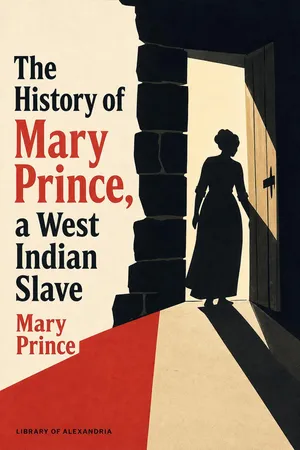
What does slavery look like when the person who endured it tells the story? Mary Prince's testimony confronts cruelty with the authority of lived experience.
First published in 1831, The History of Mary Prince, a West Indian Slave recounts a life shaped by enslavement in Bermuda, the Turks and Caicos, and Antigua. Born into slavery in Bermuda, Prince describes forced labor, physical violence, and the insecurity of a life controlled by others. Dictated by Prince herself, the narrative insists on the feelings, relationships, and dignity that the slave system denied.
Published during the British campaign against slavery, her account brought an enslaved woman's experience into public debate. Its force comes from concrete testimony rather than distant argument: the demands of work, the abuse of power, and the struggle to have one's suffering acknowledged. Today, it remains a vital encounter with Caribbean colonial history and with a Black woman's determination to speak on her own behalf.
What readers find inside:
- A Caribbean life - Prince traces her experiences across islands linked by the system of colonial slavery.
- Forced labor - Her account reveals the bodily suffering and relentless demands imposed on enslaved people.
- Black womanhood - The narrative shows how race, gender, and ownership shaped one woman's daily existence.
- Abolitionist testimony - Personal experience becomes a direct challenge to arguments that excused or concealed slavery.
- Human dignity - Prince's voice asserts a personhood that violence and legal ownership could not erase.
For readers of autobiography, students of Caribbean and Black history, and anyone exploring women's lives under colonialism, this short narrative offers a deeply personal way into questions of power, witness, and resistance.
Begin Prince's account and encounter a voice that demanded to be heard.