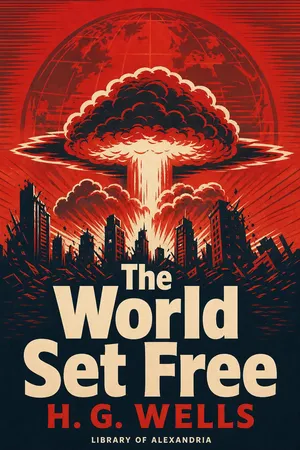
Humanity unlocks the power of the atom-but can it survive what comes next?
Published in 1914, H. G. Wells's speculative novel imagines a future reshaped by atomic energy. A discovery that promises enormous benefits also makes possible a devastating new kind of weapon. As atomic warfare overwhelms the old political order, the question becomes not simply how to end a war, but how to build a civilization capable of surviving its own inventions.
Writing decades before the first atomic bombs, Wells connects scientific discovery with sweeping social and political change. His imagined weapons are not a technical blueprint for those that followed; they serve a larger exploration of power, responsibility, and collective survival. From the destruction of war emerges a proposal for international cooperation and a unified political order. The novel moves between warning and hope, asking whether catastrophe can teach humanity what reason alone has failed to achieve.
What readers find inside:
A rewarding choice for readers of classic science fiction, speculative stories about nuclear war, and novels that explore political ideas. Its central dilemma remains recognizable wherever technological capability advances faster than public judgment.
Enter a future imagined before the atomic age, and consider the choices that still shape our own.