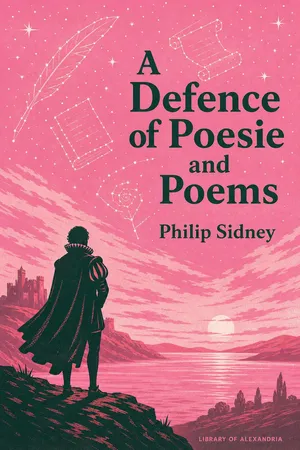
Can poetry make us better people? Philip Sidney answers with a spirited argument for the imagination-and for the pleasure that moves readers to act.
Written in the late sixteenth century, A Defence of Poesie is a foundational work of English literary criticism. Against charges that poetry is misleading, idle, or morally dangerous, Sidney argues that it can join delight with instruction. Drawing on classical thought, he compares the poet's work with that of the philosopher and historian, asking which can most effectively lead people toward virtue.
For Sidney, imaginative writing does more than describe the world as it is: it can present examples of what human beings might become. His wit, rhetorical energy, and confidence in the creative mind give this Renaissance argument a lasting urgency. Alongside the essay, Sidney's sonnets and lyrics bring readers into contact with his own practice of the art he champions. Together, prose and verse invite a fresh consideration of the relationship between beauty, feeling, and ethical choice.
What readers find inside:
• Poetry and virtue - Sidney explains how literary pleasure can encourage readers toward good action.
• A contest of disciplines - Comparisons with history and philosophy clarify his claims for imaginative writing.
• Answers to poetry's critics - The essay confronts objections concerning falsehood, moral harm, and wasted time.
• Renaissance literary thought - Classical examples and persuasive rhetoric reveal an Elizabethan understanding of the poet's role.
• Sonnets and lyrics - Sidney's verse offers a counterpart to his prose reflections on poetic art.
This work will appeal to readers of English Renaissance literature, students exploring the origins of literary criticism, and writers thinking about the purpose of their craft. Its central question remains familiar: what can stories and poems accomplish that argument alone cannot?
Begin with Sidney's lively challenge to poetry's detractors, and reconsider what imaginative language can do.