- 176 pages
- English
- ePUB (mobile friendly)
- Available on iOS & Android
eBook - ePub
About this book
INTRODUCING guide to the hugely influential German thinker. Georg Wilhelm Friedrich Hegel is one of the greatest thinkers of all time. No other philosopher has had such a profound impact on the ideas and political events of the 20th century. Hegel's influential writings on philosophy, politics, history and art are parts of a larger systematic whole. They are also among the most difficult in the entire literature of philosophy. Introducing Hegel guides us through a spectacular system of thought which aimed to make sense of history. The book also provides new perspectives on contemporary postmodern debates about 'metanarratives' (Lyotard) and the 'end of history' (Fukuyama). It is an ideal introduction to this crucial figure in the history of philosophy, and is indispensable for anyone trying to understand such key modern thinkers as Marx, Lacan, Satre and Adorno.
Information
Topic
PhilosophySubtopic
Philosopher BiographiesHegel is a philosopher of awe-inspiring, monumental ambition. His philosophy aims to incorporate the history of all previous philosophies. He conceives of this entire history as a process of completion, as all of existence, indeed the cosmos itself, evolves to full self-consciousness.
There is no room in Hegel’s philosophy for a God outside or beyond the universe. His system presents itself not only as the self-consciousness of the cosmos, as Absolute Knowledge, but at the same time as an expression of the thoughts of God.
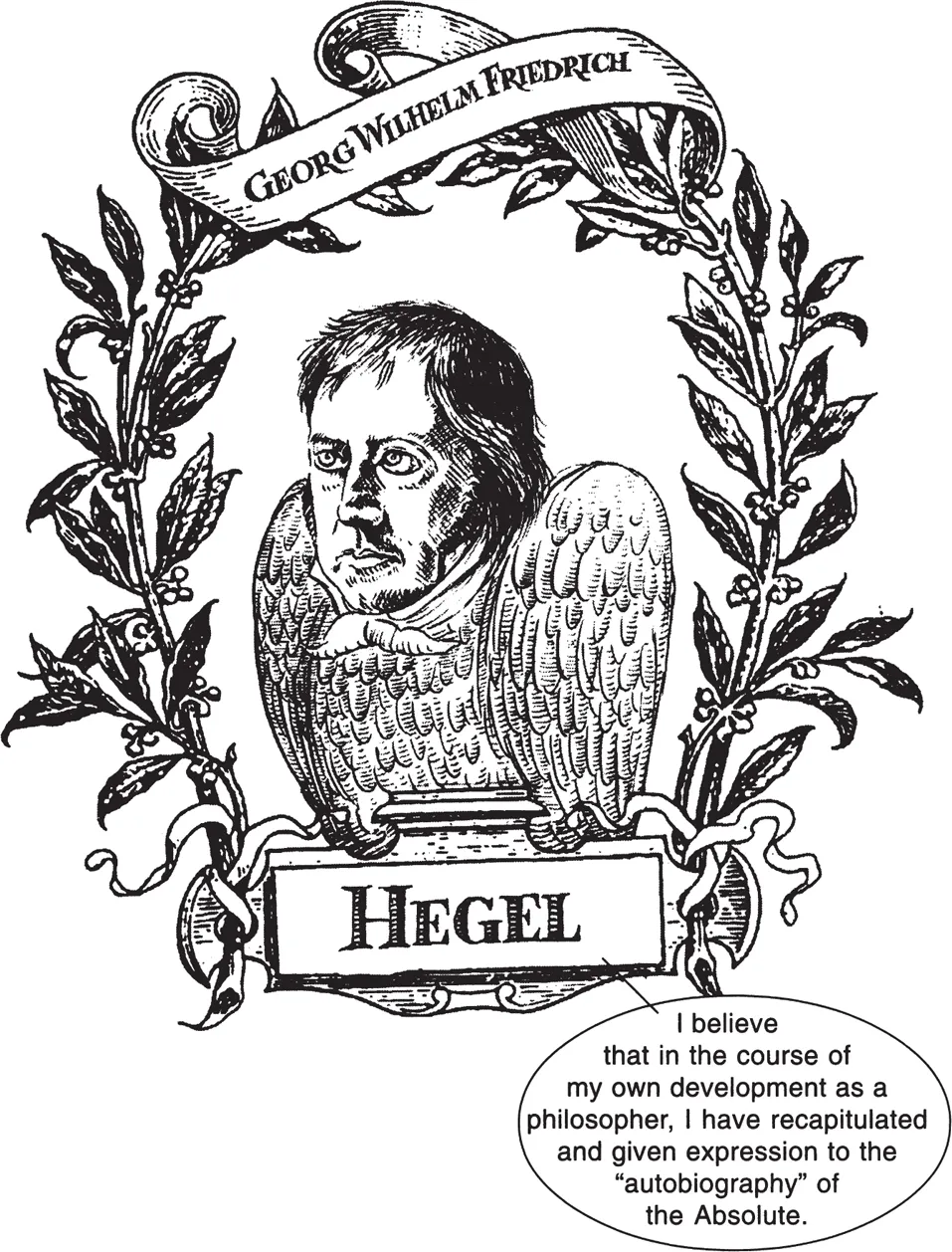
I believe that in the course of my own development as a philosopher, I have recapitulated and given expression to the “autobiography” of the Absolute.
The Life
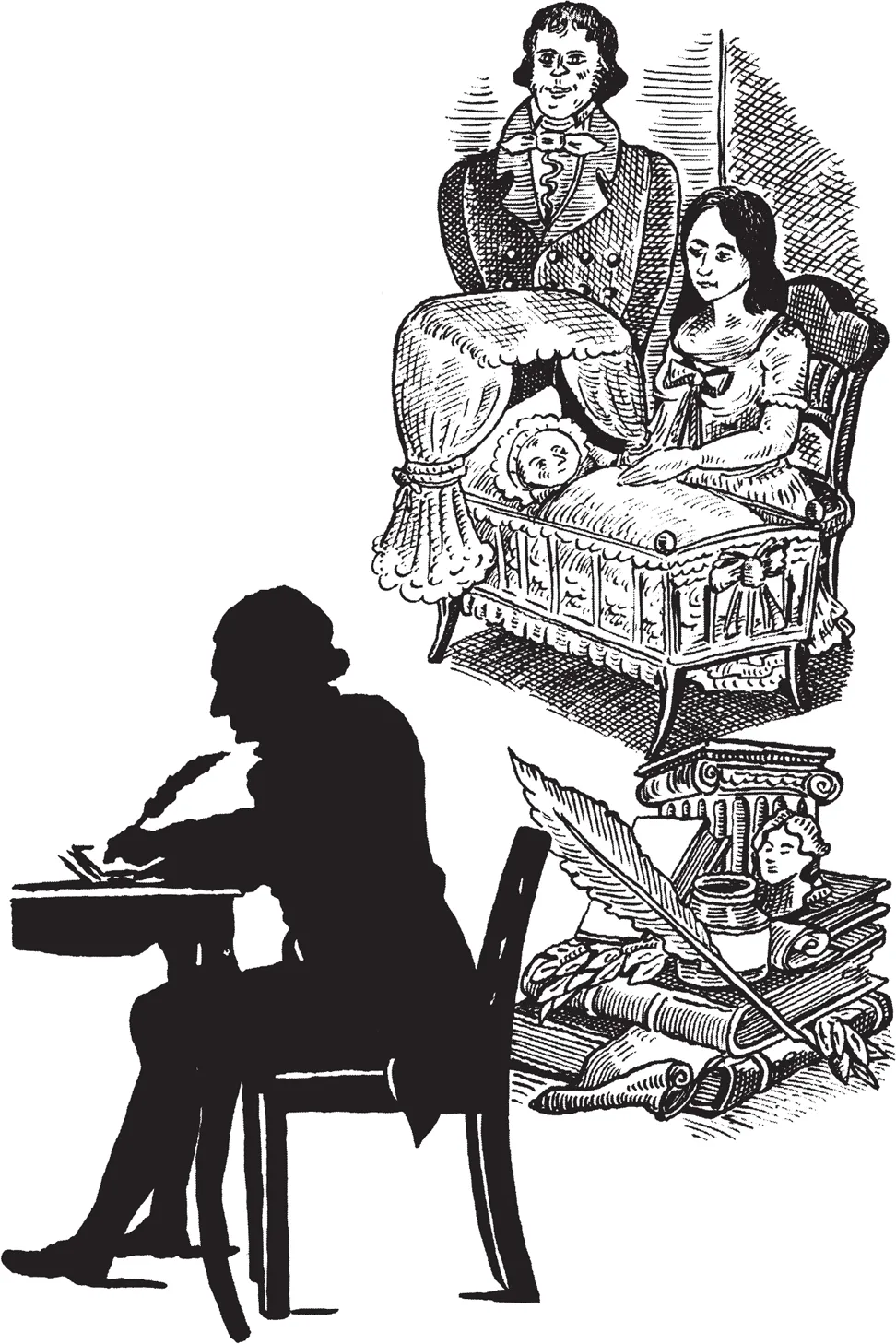
On 27 August 1770, Georg Wilhelm Friedrich Hegel was born at No. 53 Eberhardstrasse in Stuttgart.
Hegel’s father, Georg Ludwig, was a minor civil servant at the court of the Duchy of Württemberg. This area (Swabia) produced a surprising array of outstanding writers, philosophers and theologians. Hegel kept his broad sing-song Swabian inflection even when teaching at the University of Berlin.
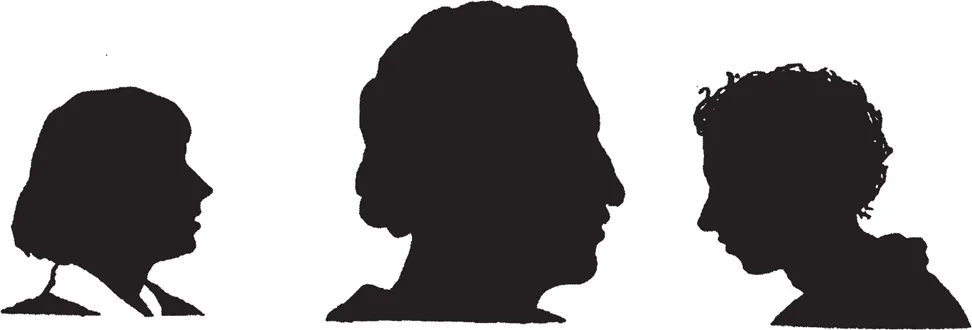
Hegel was the eldest of three children. His younger brother, also named Georg Ludwig, became an army officer, participated in Napoleon’s Russian campaign and died young.
Hegel’s mother began his education in Latin before he went to school. She died when Hegel was just 11.

Hegel appears to have kept on good terms with his father, until his student days, when his enthusiasm for the French Revolution opened up a rift between father and son.
Hegel’s Sister, Christiane
Hegel was very attached to his sister, Christiane. When Hegel set out his ideas on ethics, he did so by referring to Sophocles’ tragedy Antigone.
Christiane nursed a fierce attachment to her brother. After Hegel’s marriage (at age 40), Christiane suffered what Hegel would later call “hysteria” and had to resign from her post as governess. In 1820, she was committed to an asylum, but was released the following year. Troubled by bitterness over alleged wrongs, she gave vent to her jealousy of Hegel’s young wife.
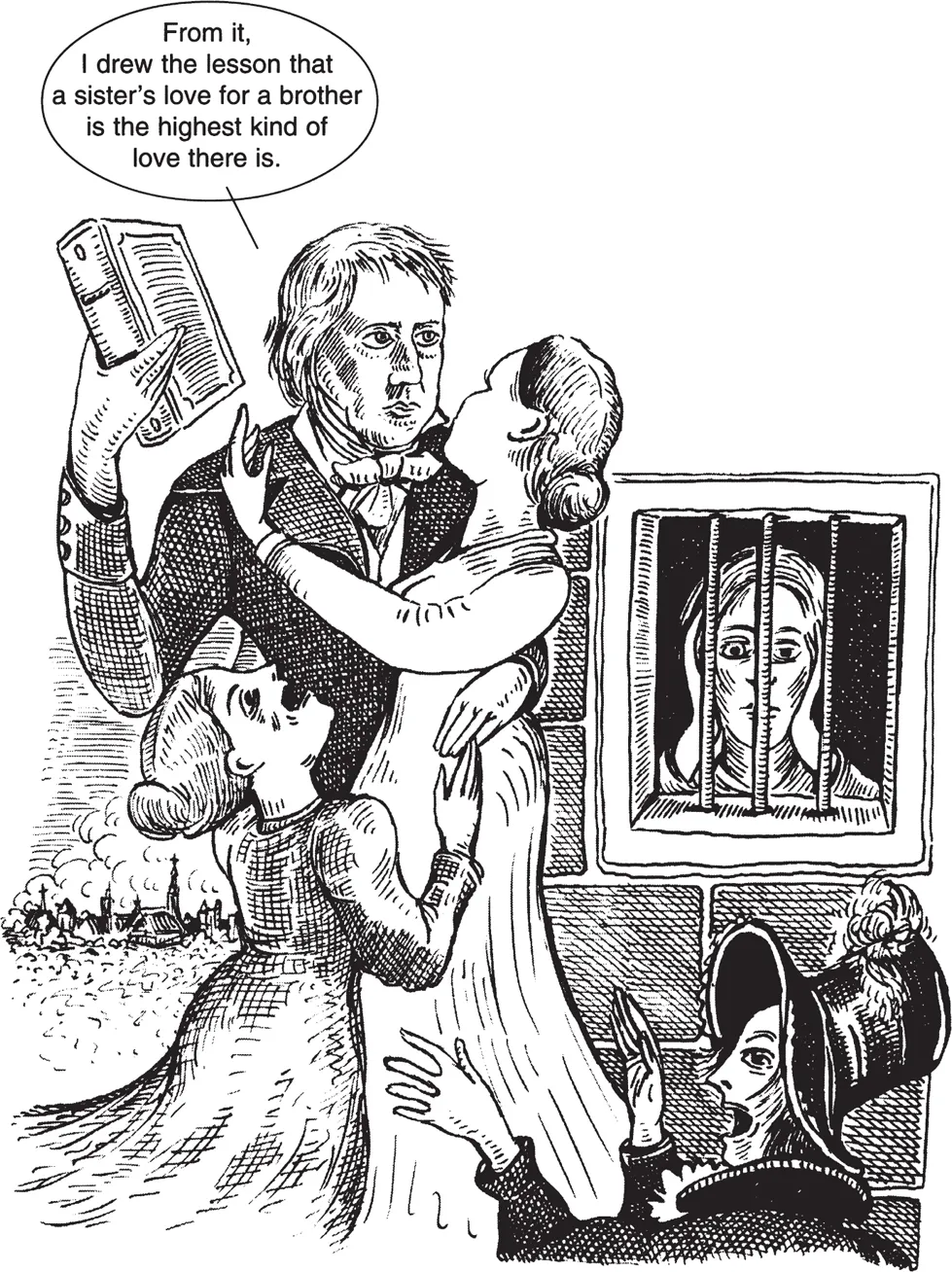
From it, I drew the lesson that a sister’s love for a brother is the highest kind of love there is.
Foreseeing Psychotherapy?
Hegel suggested that therapy had to be dialectical: it had to involve sympathizing with the patient’s complaints, winning the trust of the disturbed. It would involve respecting the patient’s rational personality while at the same time overcoming the one-sidedness and abstraction of the patient’s “fixed ideas”.
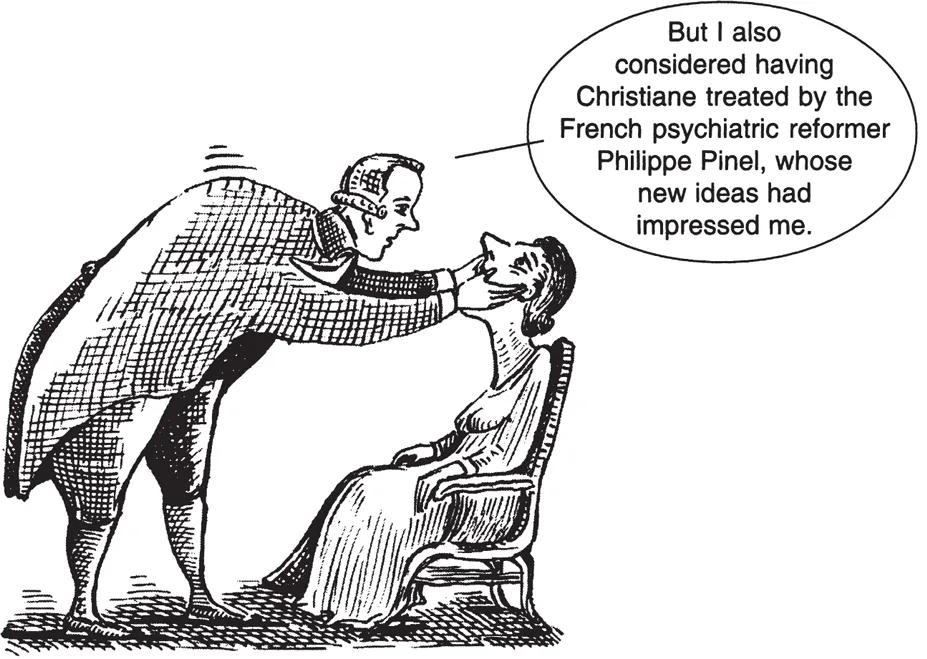
But I also considered having Christiane treated by the French psychiatric reformer Philippe Pinel, whose new ideas had impressed me.
Philippe Pinel (1745-1826) came to prominence during the French Revolution as the liberator of the mad.
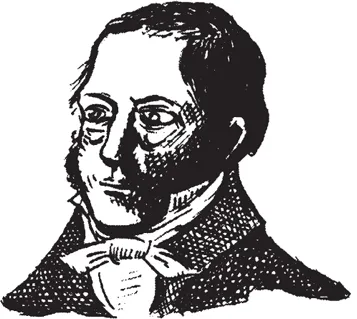
Two weeks after Hegel’s death, Christiane wrote a courteous, formal letter to his widow and included a brief memoir of her brother’s childhood in which she portrayed Hegel as a precocious and industrious schoolboy.
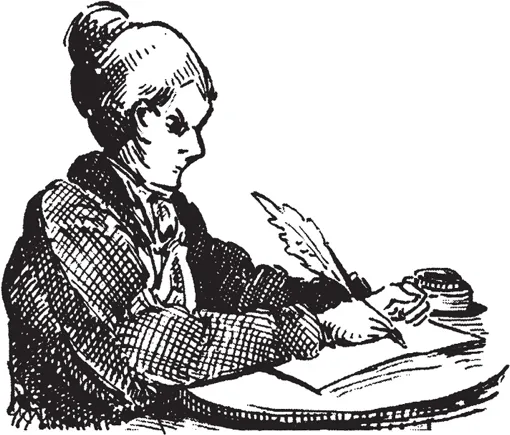
“Lacked all bodily agility. Must have been easy to get along with, for he always had many friends; loved to jump, but was utterly awkward in dancing lessons.”
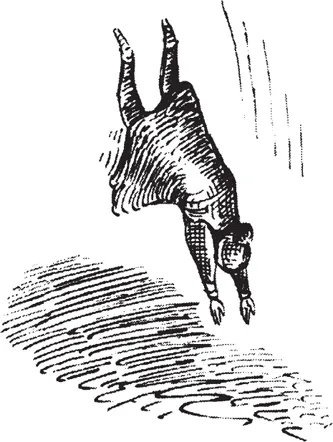
Within three months of her brother’s death, Christiane went out for a walk and drowned herself.
Hegel’s Education
Hegel gained a thorough grounding in the classics and was fluent in Latin and Greek. The Greek tragedies were his favourite reading matter. He was at home in German literature. His scientific training, too, was good for the times.
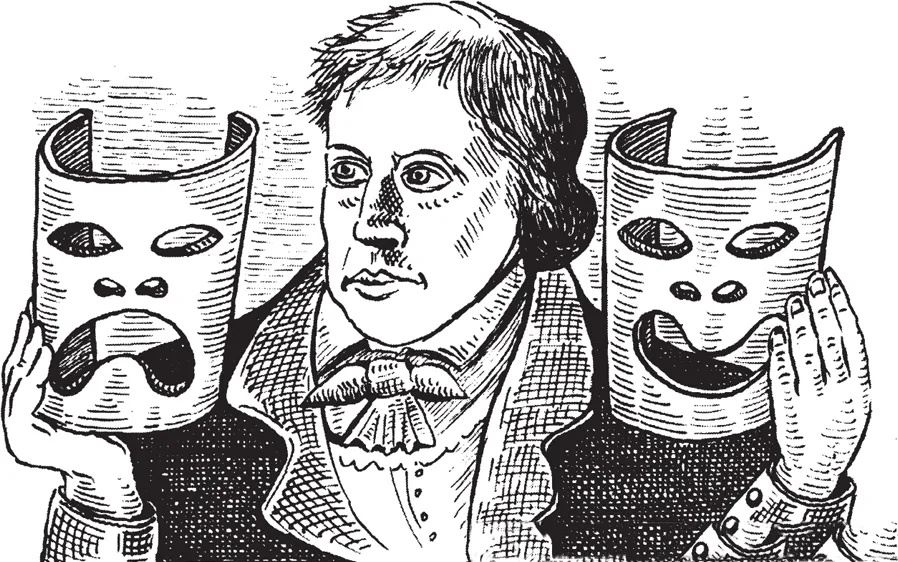

My teachers received no salary and were dependent on fees. They attempted to maximize class sizes (even 60 or more) of varying ages and abilities.
This may have been the origin of the belief Hegel later expressed in the necessity of active and independent learning.
The Excerpt Mill
Early on and throughout his life, Hegel recorded everything he studied. Aged fifteen, he began a diary (not of personal matters but of his studies and findings).
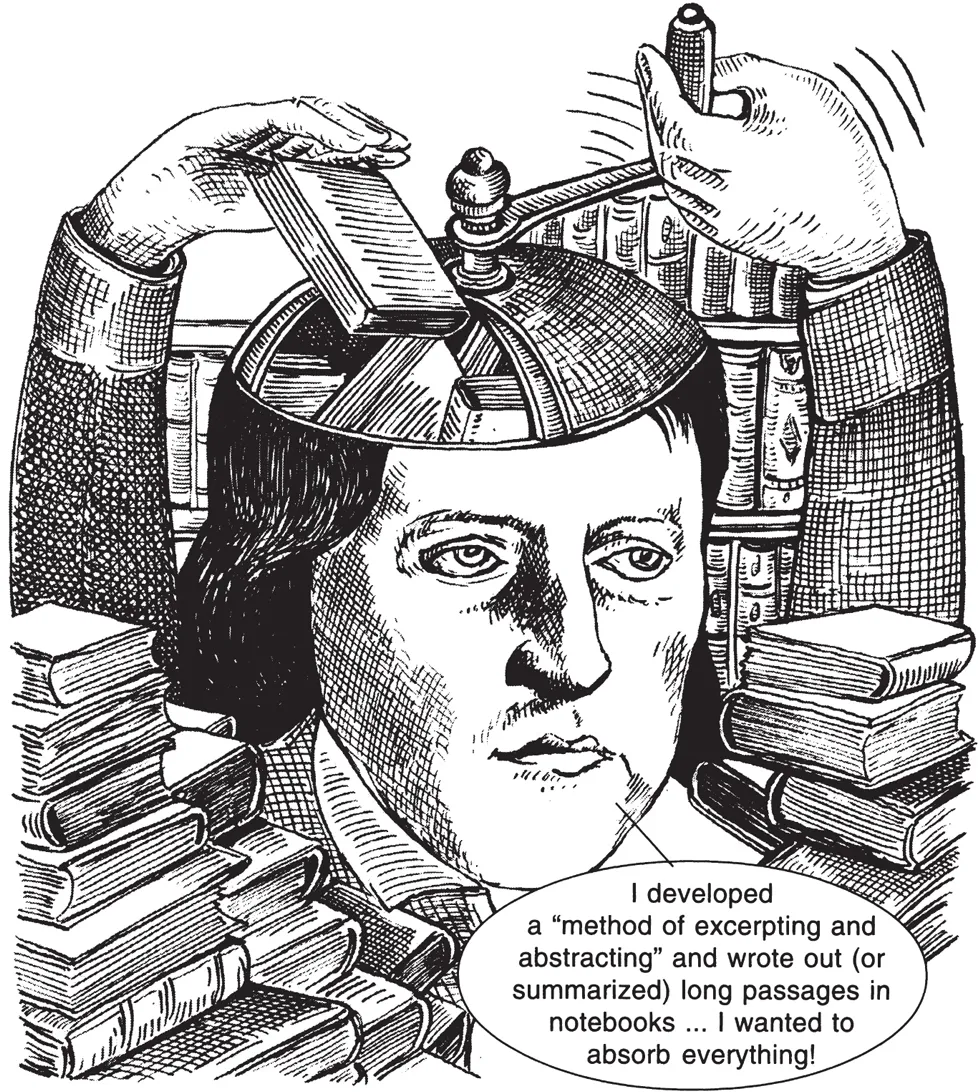
I developed a “method of excerpting and abstracting” and wrote out (or summarized) long passages in notebooks … I wanted to absorb everything!
Everything was grist to his “excerpt mill” — philology and literary history, aesthetics, aphorisms and witticisms, “experiences and physiognomics”, mathematics, physics, psychology, pedagogy and, of course, philosophy. Hegel was already intellectually omnivorous. He wanted to absorb simply everything.
If, as is the case, the majority of quotations in Hegel’s mature works contain mistakes or are mistakenly attributed, this is because Hegel almost always quotes from memory. The range of material he had “internalized” is staggering.
Germany in Hegel’s time was a patchwork of tiny states (such as the Duchy of Württemberg where Hegel was born). There were no cities of any size and very little industry. In Prussia, serfdom was abolished, and the Jews emancipated, only after defeat by Napoleon. In 1765, James Hargreaves introduced the Spinning Jenny to England, but at the time of Hegel’s birth, Germany’s industrialization still lay in the future. (The first German railway opened in 1835 — four years after Hegel’s death.)

Born
1749 — Johann Wolfgang von Goethe (d. 1832)
1759 — Friedrich Schiller (d. 1805)
1762 — Johann Fichte (d. 1814)
1767 — A.W. Schlegel (d. 1845)
1769 — Napoleon Bonaparte (d. 1821)
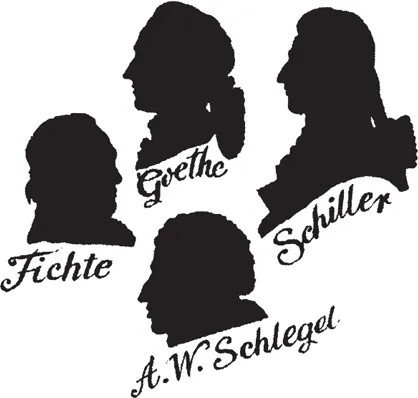
Born in 1770:
— Hegel (d. 1831)
— Friedrich Hölderlin (a poet and Hegel’s closest ...
Table of contents
- Cover
- Title Page
- Copyright
- Contents
- The Life
- Further Reading
- Index
Trusted by 375,005 students
Access to over 1.5 million titles for a fair monthly price.
Study more efficiently using our study tools.
Frequently asked questions
Yes, you can cancel anytime from the Subscription tab in your account settings on the Perlego website. Your subscription will stay active until the end of your current billing period. Learn how to cancel your subscription
No, books cannot be downloaded as external files, such as PDFs, for use outside of Perlego. However, you can download books within the Perlego app for offline reading on mobile or tablet. Learn how to download books offline
Perlego offers two plans: Essential and Complete
- Essential is ideal for learners and professionals who enjoy exploring a wide range of subjects. Access the Essential Library with 800,000+ trusted titles and best-sellers across business, personal growth, and the humanities. Includes unlimited reading time and Standard Read Aloud voice.
- Complete: Perfect for advanced learners and researchers needing full, unrestricted access. Unlock 1.5M+ books across hundreds of subjects, including academic and specialized titles. The Complete Plan also includes advanced features like Premium Read Aloud and Research Assistant.
We are an online textbook subscription service, where you can get access to an entire online library for less than the price of a single book per month. With over 1.5 million books across 990+ topics, we’ve got you covered! Learn about our mission
Look out for the read-aloud symbol on your next book to see if you can listen to it. The read-aloud tool reads text aloud for you, highlighting the text as it is being read. You can pause it, speed it up and slow it down. Learn more about Read Aloud
Yes! You can use the Perlego app on both iOS and Android devices to read anytime, anywhere — even offline. Perfect for commutes or when you’re on the go.
Please note we cannot support devices running on iOS 13 and Android 7 or earlier. Learn more about using the app
Please note we cannot support devices running on iOS 13 and Android 7 or earlier. Learn more about using the app
Yes, you can access Introducing Hegel by Lloyd Spencer,Andrzej Krauze in PDF and/or ePUB format, as well as other popular books in Philosophy & Philosopher Biographies. We have over 1.5 million books available in our catalogue for you to explore.