
- 176 pages
- English
- ePUB (mobile friendly)
- Available on iOS & Android
eBook - ePub
About this book
INTRODUCING guide to the pioneering child psychoanalyst. Born in Vienna in 1882, Melanie Klein became a pioneer in child psychoanalysis and developed several ground-breaking concepts about the nature and crucial importance of the early stages of infantile development. Although she was a devoted Freudian, many of her ideas were seen within the psychoanalytic movement as highly controversial, and this led to heated conflicts, particularly with Freud's daughter, Anna. Introducing Melanie Klein brilliantly explains Klein's ideas, and shows the importance of her startling discoveries which raised such opposition at the time and are only now being recognized for their explanatory power. Her concepts of the depressive position and the paranoid-schizoid position are now in common usage and her work has to be taken seriously by psychoanalysts the world over. She is also now important in many academic fields within the human sciences.
Information
Topic
PsychologieSubtopic
Biographies de sciences socialesIntroducing Melanie Klein
Melanie Klein’s work was always uncompromising. She was determined to get to the most hidden “depths” of the human mind. Because she often unearthed such challenging aspects of ourselves, her writing might seem at first difficult and upsetting. She was aware that the concealed terrors and bliss of infancy would not find easy acceptance. “Description of such primitive processes suffers from a great handicap. These phantasies arise at a time when the infant has not yet begun to think in words.” Nevertheless, she believed that the health of the human race in the future depended on these levels of the mind becoming accessible and accepted.
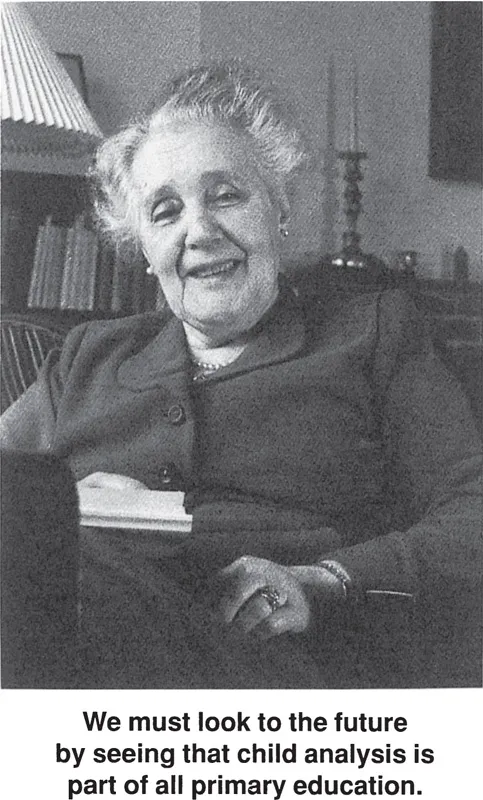
Melanie’s Childhood
Born on 30 March 1882 in Vienna, Melanie felt unwanted as the youngest of the four children of Dr Moriz Reizes and Libussa Deutsch. Her father was orthodox Jewish, had been married before, and was 24 years older than Libussa, a reported beauty. He was not a particularly successful general practitioner.

I SUPPLEMENTED THE FAMILY INCOME BY WORKING IN A DENTAL PRACTICE AND AS ATTENDING PHYSICIAN TO A VAUDEVILLE ACT.
Libussa, out of keeping with the times, ran a shop for a while. Their children, Emilie born 1876, Emanuel in 1877, Sidonie in 1878, and Melanie, were all destined to have either brief or difficult lives. Sidonie died of tuberculosis aged eight (Melanie was then four), and Emanuel too died of tuberculosis, but at the age of twenty-five. Emilie survived childhood, but made a poor marriage to an alcoholic gambler.
Early Sorrows
Melanie, the only child not breast-fed by mother, had a wet nurse. Her father openly favoured Emilie. Clearly this start could have influenced Melanie in her desire to make sense of child development and depression.
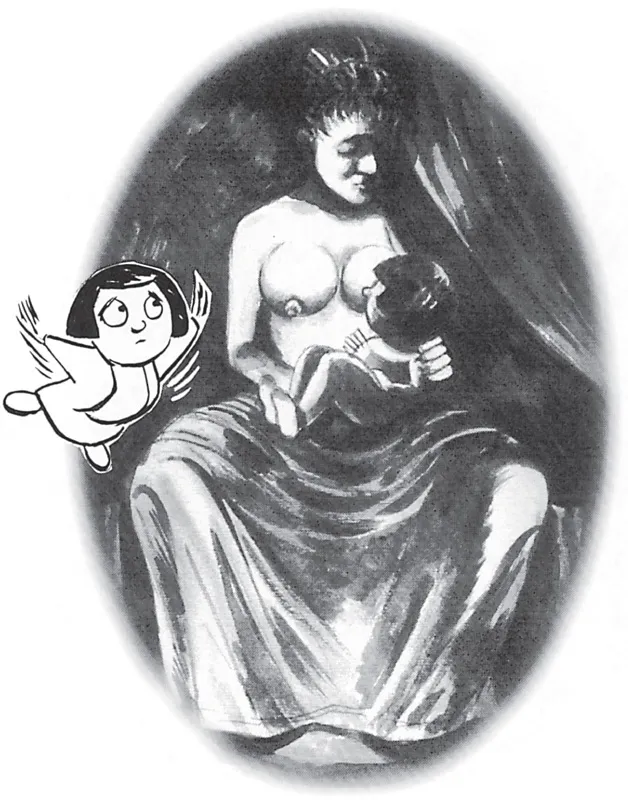
Her psychoanalytic contributions uniquely stressed the raw, painful emotions of rage, envy and hatred as well as creativity, and she attributed such powerful feelings to children. She particularly stressed the very earliest relationship of all – to the mother’s breast.
Education and Marriage
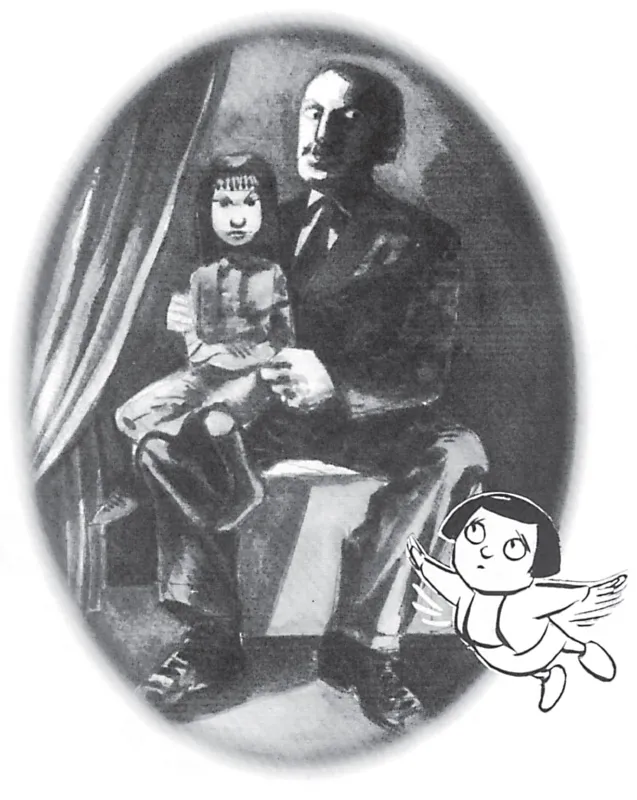
Melanie longed for her father’s approval, and above all to achieve this through intellectual success. She entered the Vienna Gymnasium at sixteen and hoped to become a doctor like him. This changed when he died two years later in 1900. Emilie, recently wed, moved into the household with her alcoholic husband Leo Pick who continued the medical practice and supported the family. Libussa was a young and energetic widow.
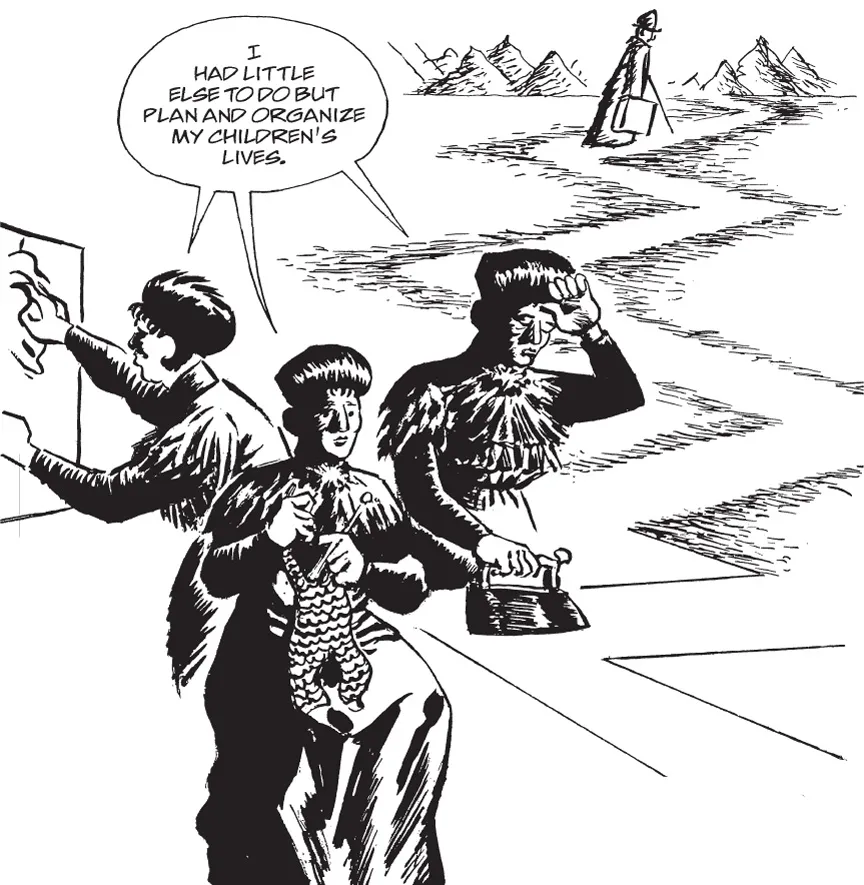
I HAD LITTLE ELSE TO DO BUT PLAN AND ORGANIZE MY CHILDREN’S LIVES.
Next she sent Emanuel, ill with tuberculosis and addicted to drugs and alcohol, off to travel in Europe and pursue his ideal of a young sick artist.
Melanie admired this romantic brother and constantly strove for intellectual equality with him, and thus the approval which she had not gained from her parents. It was Emanuel who introduced her to Arthur Klein, her future husband.
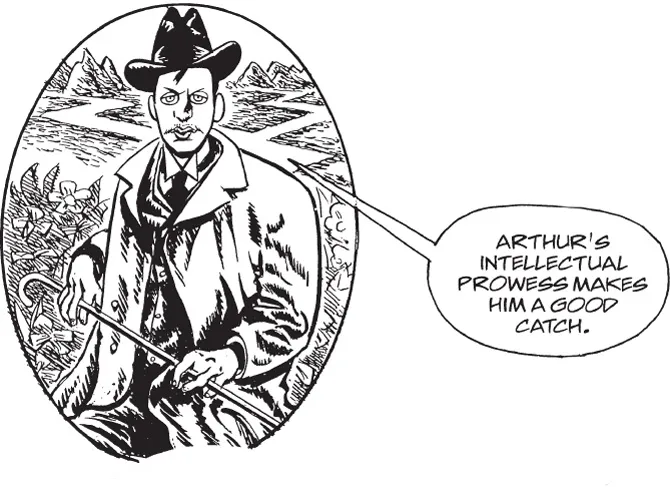
ARTHUR’S INTELLECTUAL PROWESS MAKES HIM A GOOD CATCH.
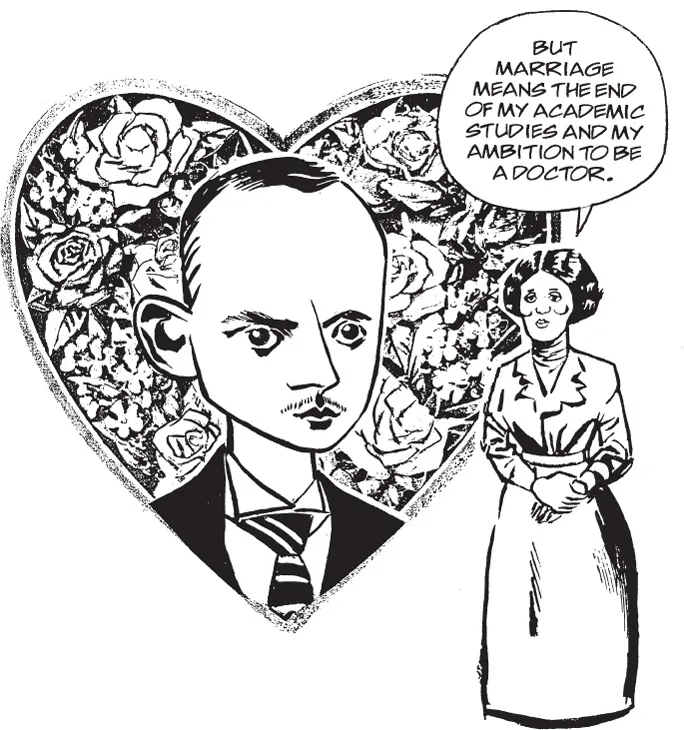
BUT MARRIAGE MEANS THE END OF MY ACADEMIC STUDIES AND MY AMBITION TO BE A DOCTOR.
She seemed to accept this “deal”, probably under pressure from Libussa, to settle down and help relieve the financial burdens of the family.
A Destiny of Travel
Three months after the death of her brother Emanuel in December 1902, she married Arthur. This resulted in continual travelling in connection with his job as an engineer. A year later, in 1904, Melanie’s first child Melitta was born. She nursed the baby for seven months, until Arthur’s work took them both away and Melitta was cared for by Libussa and nannies.
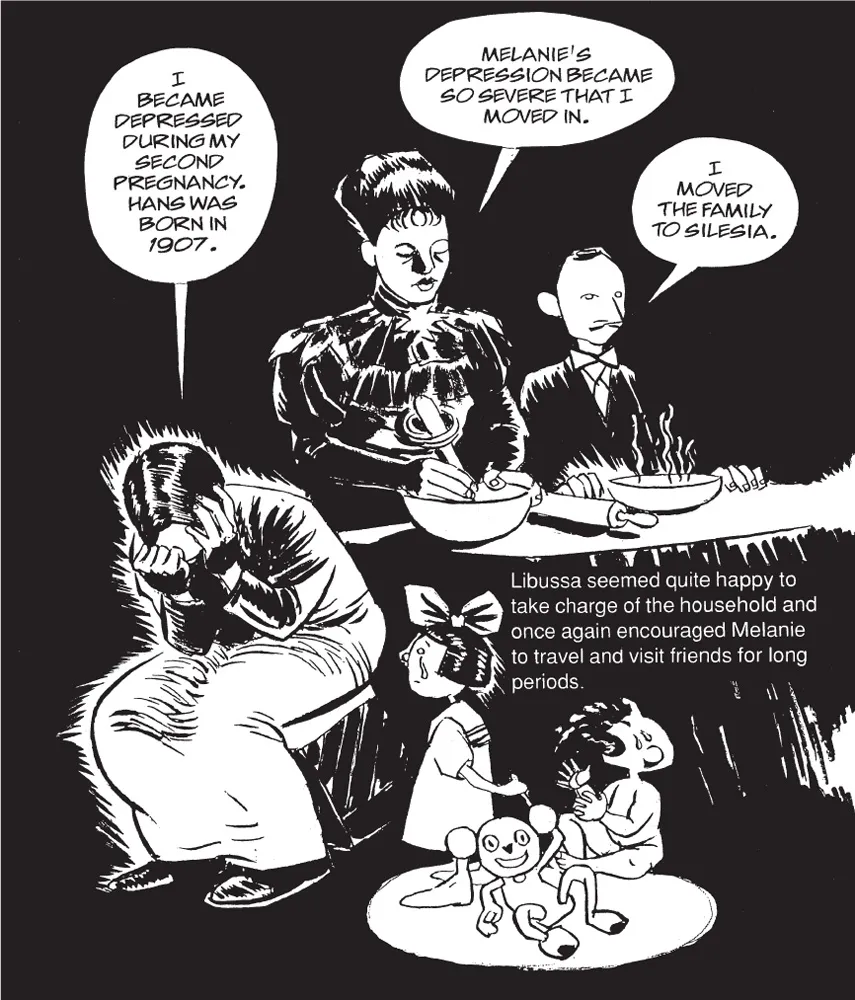
I BECAME DEPRESSED DURING MY SECOND PREGNANCY. HANS WAS BORN IN 1907.
MENANIE’S DEPRESSION BECAME SO SEVERE THAT I MOVED IN.
I MOVED THE FAMILY TO SILESIA.
MENANIE’S DEPRESSION BECAME SO SEVERE THAT I MOVED IN.
I MOVED THE FAMILY TO SILESIA.
The notion of travel as an antidote to depression seems to have been strong in the family and may have contributed to some of Melanie’s later significant moves. For the two-and-a-half years that the Kleins lived in Silesia, Melanie was more often than not away.
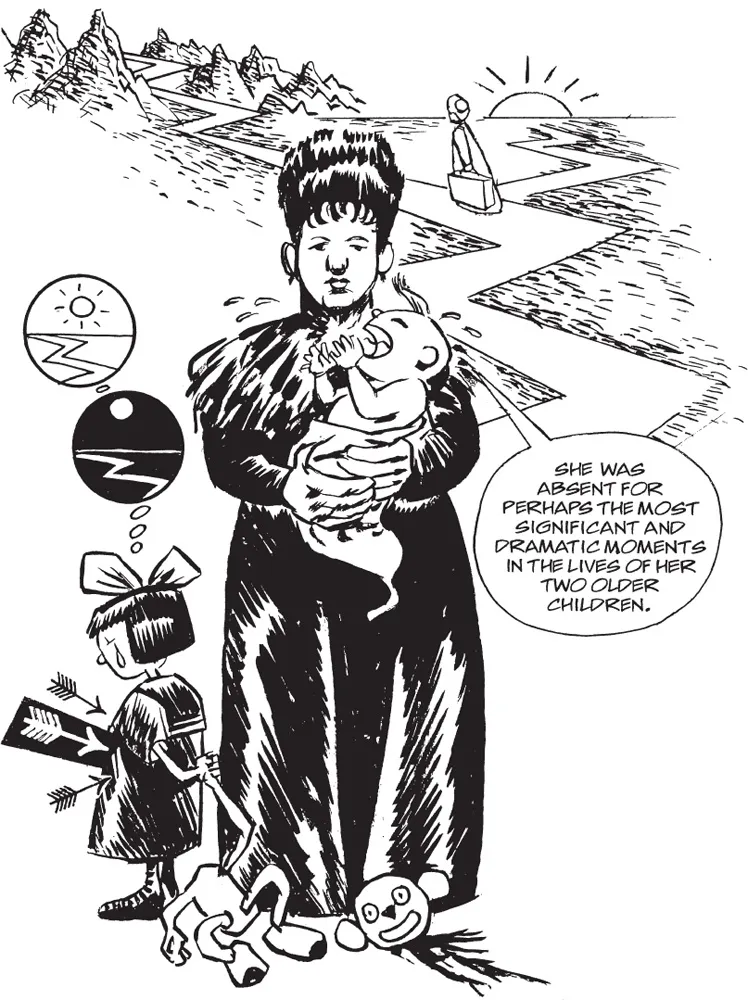
SHE WAS ABSENT FOR PERHAPS THE MOST SIGNIFICANT AND DRAMATIC MOMENTS IN THE LIVES OF HER TWO OLDER CHILDREN.
One may wonder if Melanie’s sense of guilt and loss at missing these early years, and at being emotionally unavailable due to her depression, led her later to “experiment” in child psychoanalytic techniques with her own children.
Struggles with Libussa
Libussa, unhelpfully, kept Melanie informed all the time she was away with reports of the children’s crying and missing their mother.
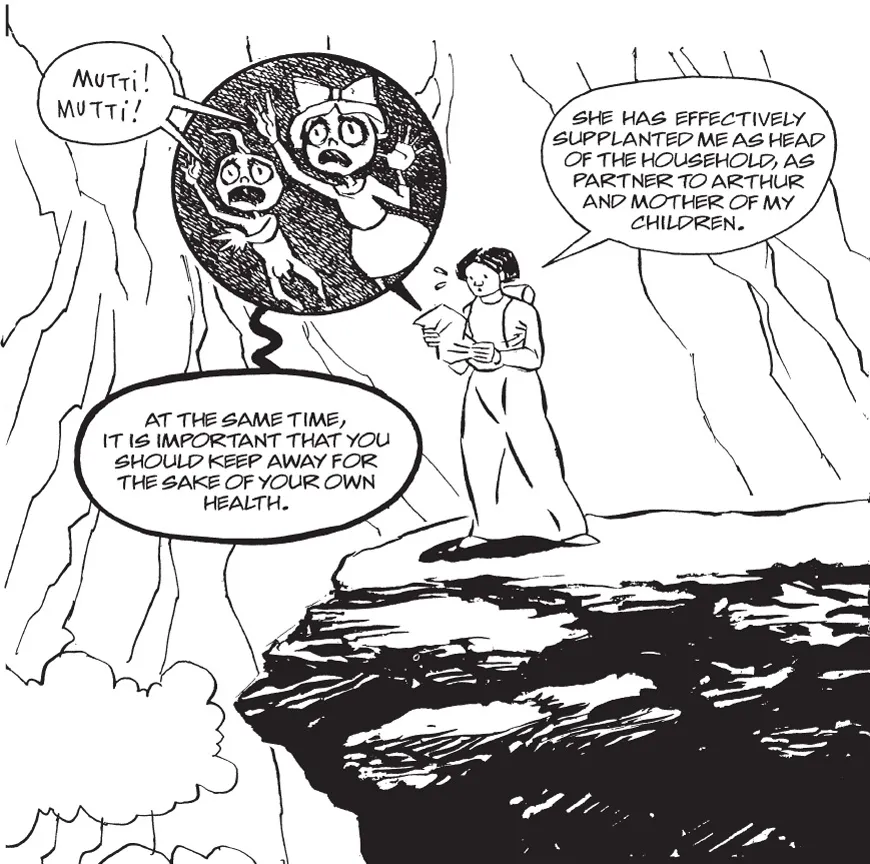
MUTTI! MUTTI!
AT THE SAME TIME, IT IS IMPORTANT THAT YOU SHOULD KEEP AWAY FOR THE SAKE OF YOUR OWN HEALTH.
SHE HAS EFFECTIVELY SUPPLANTED ME AS HEAD OF THE HOUSEHOLD, AS PARTNER TO ARTHUR AND MOTHER OF MY CHILDREN.
AT THE SAME TIME, IT IS IMPORTANT THAT YOU SHOULD KEEP AWAY FOR THE SAKE OF YOUR OWN HEALTH.
SHE HAS EFFECTIVELY SUPPLANTED ME AS HEAD OF THE HOUSEHOLD, AS PARTNER TO ARTHUR AND MOTHER OF MY CHILDREN.
Libussa reported, too, how well the children were developing without their mother. In 1909, Melanie was admitted to a sanatorium in Switzerland for two months.
Libussa and Melanie, lifelong rivals it seems for the men in their lives – first Moriz, then Emanuel and finally Arthur – were inseparable. Arthur realized he had to move out of the social backwater of Silesia and took the family to Budapest.
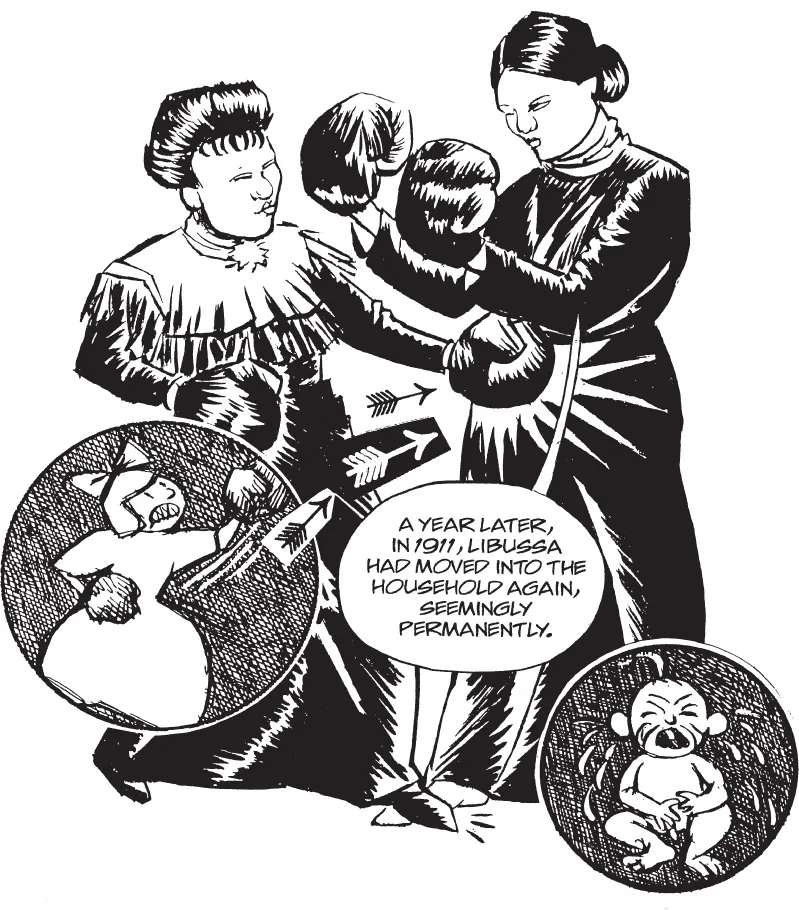
A YEAR LATER, IN 1911, LIBUSSA HAD MOVED INTO THE HOUSEHOLD AGAIN, SEEMINGLY PERMANENTLY.
This time, instead of depression, fierce battles ensued between Melanie and Libussa over control of the household and the children. No doubt this period had its toll on the development of the children. Melitta, as if following suit, eventually engaged in bitter public battles with her mother.
The First World War
1914 was a fateful year for Melanie. Not only did the First World War start, but Libussa died a few months after Melanie had her third child, Erich. In addition, Arthur went away to war, a traumatizing experience from which he, and the marriage, never recovered.
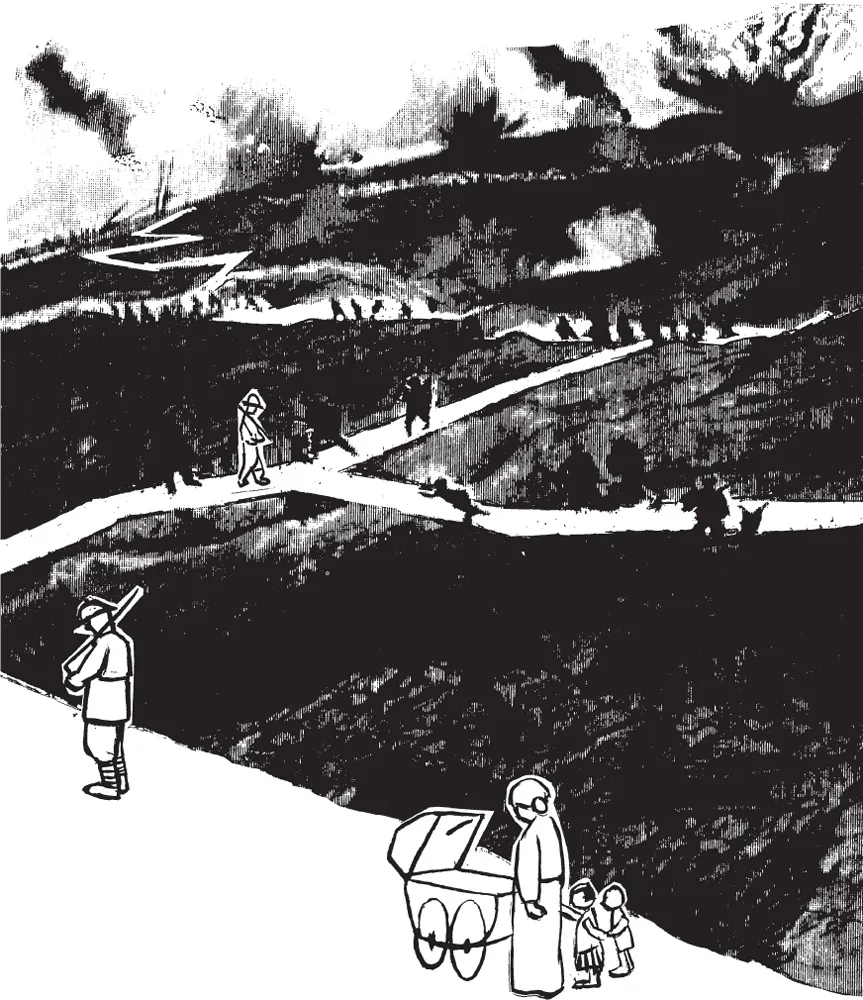

AFTER ERICH’S BIRTH, MY TRAVELS BEGAN TO BE INTERNAL ONES.
Melanie wrote poetry and short stories, and above all she “discovered” psychoanalysis by reading Interpretation of Dreams by Sigmund Freud (1856–1939) in that year. And she started her own analysis...
Table of contents
- Cover
- Title Page
- Copyright
- Contents
- Introducing Melanie Klein
- Further Reading
- Little Dictionary and Index
- Acknowledgements
Trusted by 375,005 students
Access to over 1.5 million titles for a fair monthly price.
Study more efficiently using our study tools.
Frequently asked questions
Yes, you can cancel anytime from the Subscription tab in your account settings on the Perlego website. Your subscription will stay active until the end of your current billing period. Learn how to cancel your subscription
No, books cannot be downloaded as external files, such as PDFs, for use outside of Perlego. However, you can download books within the Perlego app for offline reading on mobile or tablet. Learn how to download books offline
Perlego offers two plans: Essential and Complete
- Essential is ideal for learners and professionals who enjoy exploring a wide range of subjects. Access the Essential Library with 800,000+ trusted titles and best-sellers across business, personal growth, and the humanities. Includes unlimited reading time and Standard Read Aloud voice.
- Complete: Perfect for advanced learners and researchers needing full, unrestricted access. Unlock 1.5M+ books across hundreds of subjects, including academic and specialized titles. The Complete Plan also includes advanced features like Premium Read Aloud and Research Assistant.
We are an online textbook subscription service, where you can get access to an entire online library for less than the price of a single book per month. With over 1.5 million books across 990+ topics, we’ve got you covered! Learn about our mission
Look out for the read-aloud symbol on your next book to see if you can listen to it. The read-aloud tool reads text aloud for you, highlighting the text as it is being read. You can pause it, speed it up and slow it down. Learn more about Read Aloud
Yes! You can use the Perlego app on both iOS and Android devices to read anytime, anywhere — even offline. Perfect for commutes or when you’re on the go.
Please note we cannot support devices running on iOS 13 and Android 7 or earlier. Learn more about using the app
Please note we cannot support devices running on iOS 13 and Android 7 or earlier. Learn more about using the app
Yes, you can access Introducing Melanie Klein by R. D. Hinshelwood,Susan Robinson,Oscar Zarate in PDF and/or ePUB format, as well as other popular books in Psychologie & Biographies de sciences sociales. We have over 1.5 million books available in our catalogue for you to explore.