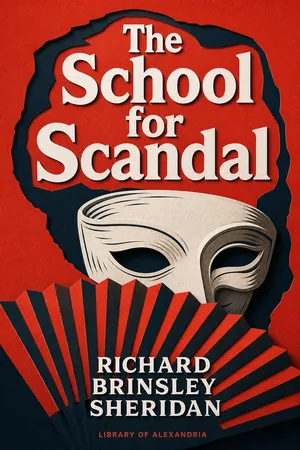
In fashionable London, a good reputation is precious-and a malicious rumour is irresistible.
First staged in 1777, Richard Brinsley Sheridan's The School for Scandal turns the drawing rooms of high society into a comic arena of gossip and deception. Lady Sneerwell and her circle trade in damaging stories, while the Surface brothers offer a revealing contrast between public virtue and private character. Joseph cultivates an image of moral respectability; Charles, whose conduct attracts criticism, may have more generosity than his reputation suggests.
Meanwhile, Sir Peter Teazle's marriage to his spirited young wife brings jealousy, extravagance, and misunderstanding into the fray. Romantic schemes and carefully maintained appearances collide in a play whose celebrated screen scene makes concealment both a theatrical device and a moral joke. Sheridan's wit gives the intrigue its pace, but the questions beneath the laughter remain familiar: how readily do we believe the worst of others, and how often do polished manners pass for goodness?
What readers find inside:
- A society of gossips - Lady Sneerwell's circle makes other people's reputations its favourite entertainment.
- The Surface brothers - Joseph and Charles expose the gap between professed morality and genuine generosity.
- Marital comedy - Sir Peter and Lady Teazle turn differences of age, taste, and expectation into lively conflict.
- The screen scene - Hidden listeners and sudden revelations bring deception into plain view.
- Satire with staying power - The play tests a culture that rewards appearances while treating rumour as evidence.
A rewarding choice for readers of classic British drama, lovers of witty social satire, and theatre enthusiasts who enjoy intricate comic plotting, this is a play whose pleasures reach well beyond its Georgian setting.
Enter Sheridan's drawing rooms and discover how quickly a carefully arranged social world can unravel.