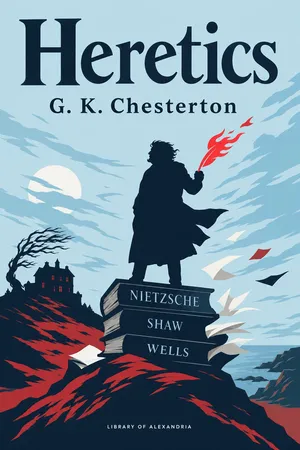
Brilliant ideas deserve more than admiration: they deserve to be questioned. Chesterton brings wit, paradox, and moral conviction to the task.
First published in 1905, Heretics is a collection of essays challenging influential writers and assumptions of the early twentieth century. G. K. Chesterton engages with figures including George Bernard Shaw, H. G. Wells, and Rudyard Kipling, asking not merely whether their ideas are clever, but what kind of life those ideas can sustain. Behind his literary disputes lies a serious argument: beliefs about the world shape our judgments, our loyalties, and our conduct.
Moving between literature, religion, politics, and everyday habits, Chesterton questions confident claims about progress and the dismissal of religious belief. His Christian perspective gives these essays their direction, while his humor keeps abstract questions rooted in recognizable human experience. The book has lasted because its central challenge remains alive: before declaring an outlook practical or enlightened, we must ask what it holds to be true and good.
What readers find inside:
- Literary encounters - Essays engage with Shaw, Wells, Kipling, and other prominent voices of Chesterton's age.
- Faith and conviction - Chesterton argues that a coherent view of life matters more than fashionable indifference to belief.
- The meaning of progress - His criticism asks how society can move forward without agreeing on a destination.
- Wit and paradox - Unexpected comparisons unsettle familiar assumptions and open serious questions from surprising angles.
- Ideas in ordinary life - Discussions of culture and daily experience show that philosophy is never merely an academic concern.
A rewarding choice for readers of Christian apologetics, lovers of literary essays, and anyone drawn to spirited debate about faith and modern culture.
Begin Heretics and meet an essayist who makes questioning received wisdom both demanding and enjoyable.