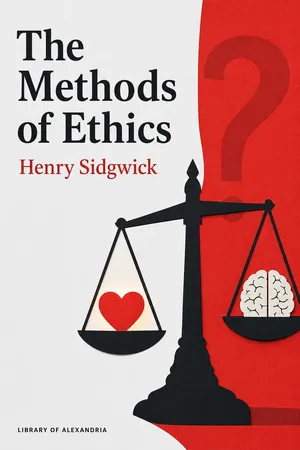
Can reason tell us how to live-and must doing right always agree with pursuing our own happiness?
In The Methods of Ethics, Henry Sidgwick subjects moral judgment to a patient, rigorous examination. His inquiry compares three approaches to deciding what we ought to do: egoism, which seeks one's own happiness; intuitionism, which appeals to moral principles recognized as binding; and utilitarianism, which considers the happiness of all. Rather than simply declaring a winner, he asks what each approach assumes and whether its claims can withstand consistent reasoning.
First published in 1874, this major work of British moral philosophy explores the relationship between common-sense morality, duty, pleasure, and the general good. Sidgwick tests familiar moral convictions against the demands of impartial thought, confronting the difficult question of whether rational self-interest and universal duty can ultimately be reconciled. Its lasting force lies in that intellectual honesty: it makes the difficulties of ethical reasoning visible instead of offering an effortless formula for resolving them.
What readers find inside:
- Three ethical approaches - Egoism, intuitionism, and utilitarianism receive sustained examination as ways of determining right action.
- Common-sense morality - Familiar rules and judgments are tested for clarity, consistency, and rational justification.
- Happiness and value - The inquiry considers pleasure and happiness in relation to personal conduct and the good of everyone.
- Impartial reasoning - Sidgwick asks what follows when the interests of others are weighed alongside our own.
- An unresolved tension - The conflict between rational self-interest and universal good exposes a central challenge for moral theory.
This book will appeal to students of moral philosophy, readers interested in the foundations of utilitarianism, and anyone willing to examine the reasons behind their convictions about duty and happiness.
Begin an exacting inquiry into what we owe ourselves, what we owe others, and how reason can guide the choice.