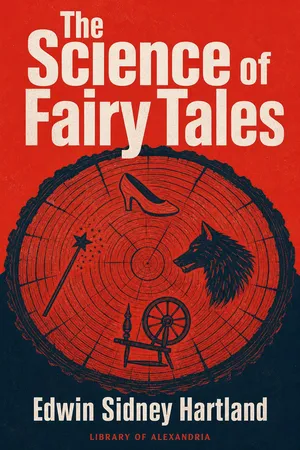
Why do stories from distant places share the same strange wonders? Beneath enchantment, Edwin Sidney Hartland finds questions about belief, custom, and the ways people make sense of their world.
The Science of Fairy Tales is a classic investigation of folklore as evidence of human culture. Rather than simply retelling traditional narratives, Hartland compares their recurring motifs and considers their relationship to inherited beliefs and social practices. Changelings, transformations, supernatural encounters, and taboos become starting points for exploring the connections between storytelling and everyday life.
Written within the intellectual world of nineteenth-century folklore scholarship, the book seeks patterns across traditions and asks what apparently fantastic incidents might preserve about older ways of thinking. Its historical theories belong to their period, but its central questions remain compelling: why do certain narrative patterns travel so widely, and what can stories reveal about the communities that tell them? For readers accustomed to treating these narratives as childhood entertainment, Hartland offers a broader cultural perspective.
What readers find inside:
- Recurring motifs - Similar wonders across different traditions provide material for comparative inquiry.
- Supernatural belief - Accounts of enchantment reveal how communities imagine powers beyond ordinary experience.
- Custom and taboo - Prohibitions and inherited practices connect narrative events with social beliefs.
- Transformation and identity - Stories of altered forms and changelings raise questions about the boundaries of human life.
- Historical scholarship - Hartland's approach offers a window into the development of folklore as a field of study.
A rewarding choice for readers of comparative mythology, students of cultural history, and writers interested in the traditions behind familiar story patterns.
Begin exploring the beliefs beneath enchantment and discover another way to read the stories passed down through generations.