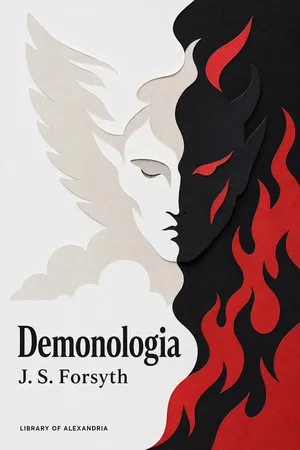
What turns an unexplained event into evidence of an unseen power? This historical inquiry explores the beliefs that grow where knowledge gives way to fear.
J. S. Forsyth's Demonologia examines traditions surrounding demons, spirits, witchcraft, curses, and possession. Rather than simply recounting supernatural lore, it considers how such beliefs take hold and how apparently unearthly phenomena may have natural causes. The result brings the history of superstition into conversation with the development of scientific reasoning.
At its heart is a question that remains familiar: how do people explain what they cannot understand? Fear, imagination, religious belief, and inherited stories all play a part. Read as a historical text, Demonologia offers a window into the tension between received belief and skeptical investigation-and into the enduring human desire to find meaning in mysterious experiences.
What readers find inside:
- Demonic lore - Beliefs about demons and spirits reveal how unseen forces entered explanations of human experience.
- Witchcraft and possession - Feared supernatural influences show the close relationship between popular belief and cultural anxiety.
- Natural explanations - A skeptical approach considers earthly causes behind phenomena attributed to supernatural powers.
- Fear and imagination - The inquiry explores how uncertainty can become conviction through the stories people tell.
- Belief and reason - The work records a historical encounter between inherited superstition and emerging habits of scientific explanation.
This book will appeal to readers of folklore and occult history, students of religious belief, and anyone interested in the ways people distinguish evidence from imagination. Its value lies in examining supernatural traditions while also questioning the assumptions that sustain them.
Begin this exploration of the fears, stories, and explanations through which people have tried to make sense of the unknown.