Elizabeth Wagele, coauthor of The Enneagram Made Easy and Are You My Type, Am I Yours?, offers the first practical guidebook for parents -- packed with her delightful cartoons -- on how the Enneagram can help to understand and work with children's personality traits and behavioral patterns more effectively and creatively. Using her expertise in making the Enneagram accessible through simple text and zany, informative cartoons, Wagele shows parents how to be flexible and compassionate, willing and eager to recognize the unique potential of every child and to respond to and nurture each child appropriately.
eBook - ePub
The Enneagram of Parenting
The 9 Types of Children and How to Raise Them Successfully
- 180 pages
- English
- ePUB (mobile friendly)
- Available on iOS & Android
eBook - ePub
The Enneagram of Parenting
The 9 Types of Children and How to Raise Them Successfully
About this book
Information

Twenty Additional Problem Areas
Most of the following subjects weren’t covered in the previous chapters. Now that you’ve been introduced to the nine styles of children and learned something about adult Enneagram types, see how you can apply this knowledge to your family:
Bed-Wetting
Bed-wetting is considered normal for the first six or seven years. (Thinking we’ve failed as parents if our children aren’t completely trained by two years old is also normal.) If your child is at least six years old, withhold all liquids after four or five o’clock and take the child to urinate before bed. Repeat this once in the night before you go to bed. Lead children all the way into the bathroom and onto or in front of the toilet, even if they refuse or insist they can’t go. These children sleep very soundly. Sometimes they don’t outgrow bed-wetting until twelve or fourteen or older, but this is rare. Be patient and don’t scold, punish, or make them wash their own sheets. Work out a system of rewards for over two or more days’ success in a row, and keep it up for several months. Be supportive; this problem is difficult for the child, especially when it comes time for sleepovers or summer camp. Notice how your child reacts to bed-wetting: with guilt, fear, anger, nonchalance? Some kids are sure they’ll stop wetting the bed tomorrow, while others fear they’ll still be doing it when they’re grandparents. Don’t assume your child will respond the way you would or did.

Biting
If your small child bites you (or anyone else in your presence), be firm: “You mustn’t do that! It hurts!” Try not to overreact. The child will eventually internalize your reactions and stop. Explain how the biting affects others rather than trying to convince the child he or she did a bad thing; this will be more effective and will help the child develop empathy.
Invite other children over only for short visits when your biter is relatively happy, rested, and well fed(!). Try to keep things calm, and choose more mature children for playmates, especially those who can defend themselves. Instead of focusing on your own anger or frustration, try to determine if there’s a message in the biting. Is your child too tired? Is he or she trying to dominate the other? Does he or she want the other child to go away?
Clothes
Encourage your kids to choose their favorite colors, fabrics, and styles, within the limits of your budget. Even though this is difficult for parents who take pride in their sense of fashion, avoid imposing your taste on them. When appropriate, give children a push toward shopping for themselves.

Communication
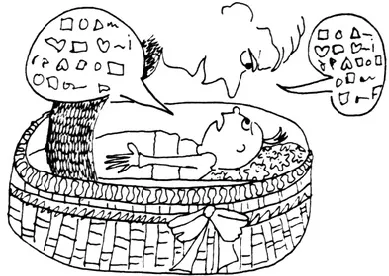
When kids are tiny babies, talk to them a lot, in your language and in theirs, but don’t talk baby talk to toddlers who are learning to speak. Listen to them without putting words in their mouths or finishing their sentences for them. Be forgiving if they say things they didn’t really mean to say; try to remember a time in your childhood when you did this, too.
When it is appropriate to their age, set up weekly or biweekly family meetings. Pledge to listen with an open mind. Encourage open and honest expressions of feelings, and don’t stifle contrary ones. Don’t criticize or laugh at your children or try to squeeze feelings out of them they don’t necessarily have.

When discussing a problem with your kids, think up as many solutions as you can together, then narrow the options down to one. Kids will try harder to make it work if they’ve been involved in the problem-solving process. Some families prefer to set up a meeting only when there’s a pressing issue.
The golden rule (“Do unto others as you would have them do unto you”) is not an ideal communication tool, because it assumes that we all want the same thing. It would be better to teach our children to empathize—to do unto others as others would like to be done to.
Suzanne and I were jabbering away as we drove to a gathering about an hour and a half away. Her ten-year-old son, Jules, sat quietly in the backseat. After twenty minutes, Jules sat up straight, leaned forward, and said firmly, “ I think you should realize there are three people in the car and include me in the conversation.”
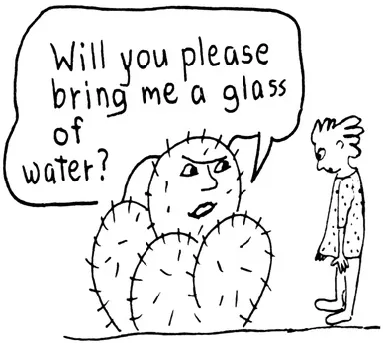
We should teach our kids it’s all right to speak up for themselves and to tell people what they need and how they’d like to be treated.
Indirect communication, such as through letters or art. is more comfortable at times. If your child has suffered a traumatic experience, drawing or painting the experience, dramatizing it, or telling the details to someone in a calm, safe environment can be healing.
Discipline
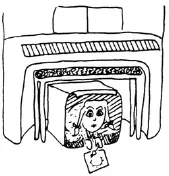
The more structure and predictability you have, and the more you deal with your child in a kind and firm way, the less you will have to punish.
STANLEY TURECKI, M.D.
Deliver a prompt and strong verbal message if your toddler starts to go in the street, play with electricity, or pull the cat’s tail; then quickly remove the child from the situation. Set limits gently but with authority. With older children, you may want to write out some of the rules and the consequences for breaking them. If kids misbehave, use a serious and firm (not shrill or frightening) voice. Don’t get into an argument about punishment. It’s never necessary to discipline for disciplines sake, but if you need to punish, use a time-out or take away a privilege.
If children do something hurtful to another person, ask them to think about how the person might feel and how the situation should be handled.
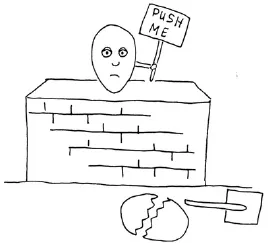
Family routines can cut down on conflict and stress, but too much predictability feels like imprisonment to some free-spirited children. When kids are disciplined or criticized too much, they often show signs of feeling bad about themselves.
It’s a common practice for parents and teachers to call a time-out when a child misbehaves and have the child go to his or her room or a quiet place for five or ten minutes. This removes the child from the scene of conflict, allows him or her to cool off emotionally, and interrupts negative behavior. It also gives the child the message that the behavior was unacceptable.
It’s sometimes more effective to bring children closer to you—to give them your protection—instead of isolating them. They may be confused about the difficulty they’ve just had and may need to experience a positive attachment to a stronger adult ego. Bring them into the room with you to sit beside you or to be held. Let them express how they feel, and acknowledge their feelings. You might want to read the example of this in the “Siblings” section of this chapter.
Divorce
In children’s minds, if one parent leaves, so could the other. It makes sense, then, that kids might regress to a former behavior—one that’s familiar and makes them feel secure. Keep their lives structured and maintain the same discipline, keep celebrating special occasions like birthdays, and don’t buy them a million toys. Also, be very careful about what you say about your ex-spouse, for they know that he or she is part of them. Explain the separation in such a way that they know it’s not their fault.
Show your children you care about how the divorce affects them.
If you remarry, your children may not like it at all. Since you experience the relationship to your new spouse differently than your children do, explain that this is right for you, and reassure them that you still care very much about their feelings.
Drugs
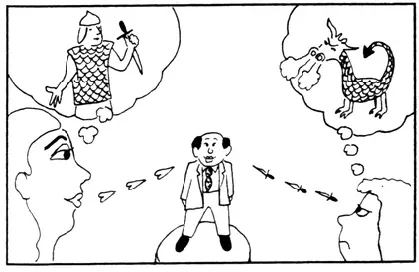
Healthy attitudes about drugs and alcohol depend on your children’s ability to trust themselves, make good judgments, and solve their own problems. Parental moralizing, controlling, and overprotecting are of no help. If children see their parents solve their own problems by numbing out with substances, the kids may do it, too. But even when parents are paradigms of right living, kids can still get into difficulty with drugs. Children who have confidence and are grounded in reality know when to stay away from a substance, when to stop experimenting, and when to walk away from a situation. Educate them about what narcotics can do to the body and mind. Tell them you’re against drugs, yet let them know they’re safe coming to you with problems. Children who feel accepted and competent and have interests and skills they enjoy are not as likely to become dangerously involved in harmful activities.
Parents usually feel guilty and angry when they learn their child is using drugs regularly. The child needs professional, parental, and family help, not punishment. Groups that educate and support parents can advise parents on how to confront the child and how to set up intervention and treatment, if necessary.
Some signs of drug use are behavior changes such as truancy, depression, hostility, poor grades, preoccupation, lying, and stealing. Physical symptoms include a dry cough, red eyes, and lethargy.
Resources include the National Council on Alcoholism and Drug Dependence (800-NCA-CALL) and Alateen (associated with Alcoholics Anonymous). Some schools and hospitals also have programs or make referrals.
Eating Disorders: Binge Eating,
Overeating, Bulimia, and Anorexia
Eating disorders can be heartbreaking: parents can become so frightened and confused that they try to punish their child, both for the disorder and the secrecy that usually accompany these disorders.
Binge eaters and overeaters usually associate food and staying full with comfort and being loved. Anorexia (the inability to stop dieting) and bulimia (making oneself vomit) often start in puberty and occur more often in girls than in boys. Obsessive dieting and compulsive eating may be helped by going to Overeate...
Table of contents
- Cover
- Title Page
- Dedication
- Contents
- Children and the Enneagram
- The Perfectionist Style
- The Helper Style
- The Achiever
- The Romantic Style
- The Observer Style
- The Questioner Style
- The Adventurer Style
- The Asserter Style
- The Peacemaker Style
- Parents and the Enneagram
- Twenty Additional Problem Areas
- Afterword
- Recommended Reading
- Thanks for your help
- About the Author
- Copyright
- About the Publisher
Trusted by 375,005 students
Access to over 1.5 million titles for a fair monthly price.
Study more efficiently using our study tools.
Frequently asked questions
Yes, you can cancel anytime from the Subscription tab in your account settings on the Perlego website. Your subscription will stay active until the end of your current billing period. Learn how to cancel your subscription
No, books cannot be downloaded as external files, such as PDFs, for use outside of Perlego. However, you can download books within the Perlego app for offline reading on mobile or tablet. Learn how to download books offline
Perlego offers two plans: Essential and Complete
- Essential is ideal for learners and professionals who enjoy exploring a wide range of subjects. Access the Essential Library with 800,000+ trusted titles and best-sellers across business, personal growth, and the humanities. Includes unlimited reading time and Standard Read Aloud voice.
- Complete: Perfect for advanced learners and researchers needing full, unrestricted access. Unlock 1.5M+ books across hundreds of subjects, including academic and specialized titles. The Complete Plan also includes advanced features like Premium Read Aloud and Research Assistant.
We are an online textbook subscription service, where you can get access to an entire online library for less than the price of a single book per month. With over 1.5 million books across 990+ topics, we’ve got you covered! Learn about our mission
Look out for the read-aloud symbol on your next book to see if you can listen to it. The read-aloud tool reads text aloud for you, highlighting the text as it is being read. You can pause it, speed it up and slow it down. Learn more about Read Aloud
Yes! You can use the Perlego app on both iOS and Android devices to read anytime, anywhere — even offline. Perfect for commutes or when you’re on the go.
Please note we cannot support devices running on iOS 13 and Android 7 or earlier. Learn more about using the app
Please note we cannot support devices running on iOS 13 and Android 7 or earlier. Learn more about using the app
Yes, you can access The Enneagram of Parenting by Elizabeth Wagele in PDF and/or ePUB format, as well as other popular books in Psychology & Personal Success. We have over 1.5 million books available in our catalogue for you to explore.