1.
NEVER OPEN A BOOK WITH WEATHER
If it’s only to create atmosphere, and not a character’s reaction to the weather, you don’t want to go on too long. The reader is apt to leaf ahead looking for people. There are exceptions. If you happen to be Barry Lopez, who has more ways than an Eskimo to describe ice and snow in his book Arctic Dreams, you can do all the weather reporting you want.
They can be annoying, especially a prologue following an introduction that comes after a foreword.
But these are ordinarily found in nonfiction. A prologue in a novel is backstory, and you can drop it in anywhere you want.
There is a prologue in John Steinbeck’s Sweet Thursday, but it’s okay because a character in the book makes the point of what my rules are all about. He says:
“I like a lot of talk in a book and I don’t like to have nobody tell me what the guy that’s talking looks like. I want to figure out what he looks like from the way he talks…figure out what the guy’s thinking from what he says. I like some description but not too much of that.”
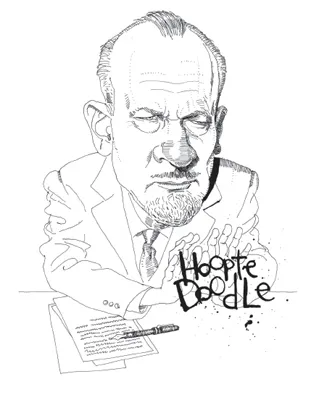
The Steinbeck character goes on to say, “Sometimes I want a book to break loose with a bunch of hooptedoodle…. Spin up some pretty words maybe or sing a little song with language. That’s nice. But I wish it was set aside so I don’t have to read it. I don’t want hooptedoodle to get mixed up with the story.”