In this book, thirty-five young, recently diagnosed patients speak about schizophrenia and the process of recovery, while two specialists illuminate the medical science, psychoeducation, and therapeutic needs of those coping with the illness, as well as access to medical benefits and community resources. A remarkably inclusive guide, the volume informs patients, families, friends, and professionals, detailing the possible causes of schizophrenia, medications and side effects, the functioning of the brain, and the value of rehabilitation and other services.
In their dialogues, participants confront shame, stigma, substance use, and relapse issues and the necessity of healthy eating, safe sex practices, and coping skills during recovery. Clinicians elaborate on the symptoms of schizophrenia, such as violent and suicidal thoughts, delusions, hallucinations, memory and concentration problems, trouble getting motivated or organized, and anxiety and mood disorders. Adopting an uplifting tone of manageability, the participants, authors, and clinicians of this volume offer more than advice—they prescribe hope.
eBook - ePub
Diagnosis: Schizophrenia
A Comprehensive Resource for Consumers, Families, and Helping Professionals, Second Edition
- English
- ePUB (mobile friendly)
- Available on iOS & Android
eBook - ePub
Diagnosis: Schizophrenia
A Comprehensive Resource for Consumers, Families, and Helping Professionals, Second Edition
About this book
Trusted by 375,005 students
Access to over 1.5 million titles for a fair monthly price.
Study more efficiently using our study tools.
Information
1
IN THE BEGINNING
For some of us, schizophrenia came on suddenly and turned our lives inside out overnight. Others became ill over a long period of time, so our lives took a slow downward turn. In both cases, treating the symptoms of schizophrenia required hospitalization to keep us safe until our symptoms were under control. It allowed staff to provide treatment in a more complete way: the medication was adjusted to the right level and any reactions were carefully checked and treated. We also had the opportunity to learn more about caring for ourselves. Despite these advantages, we know the hospital experience can be very hard and frightening. We hope that hearing some of our stories will make you feel less alone.
GENEVIVE
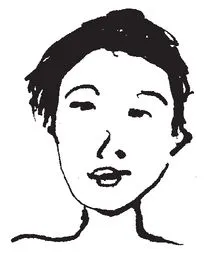
GENEVIVE: I was twenty-four and was working as a home health aide. While I was working I started to have symptoms. I thought people were after me and I was being followed. I thought my phone was tapped. The office would call me to tell me where I was going to be working. The ones spying on me were people I didn’t know, but I gave them names. I went to the office to quit because I thought people were following me. I stayed home and I got worse. I thought my house was bugged. I thought those people knew what I was wearing and what I was doing. I thought they were going to defame me on TV. I thought they put a camera in my house. One day I cut a wire and my father got upset. I had my brother search the whole house. The voices told me it was this tiny little camera.
I was hearing voices saying they were going to kill my father, rape me, kill me. I stopped eating to end this, to die. I didn’t trust anyone. I thought there was this FBI agent, one of the neighbors, who was going to protect me.When I asked my mother why she was trying to poison me, she would get upset with me. That confirmed my belief she was trying to poison me. Really she wasn’t doing that, but that’s what I felt. I didn’t even know I was sick until I came to the hospital and Dr. Gunduz started questioning me. That’s when I knew.
When I was in my room there was a car parked outside that I could see from my window on Low III, an inpatient unit at Zucker Hillside Hospital. I thought it was an FBI agent there to protect me. I thought he was saying that he wanted me to have the best room.Then when they moved me to a better room I thought,wow, he was my advocate and he got me this really good room. I remember that I started to feel better when I was given medication.
At first when I was in the hospital I thought I wouldn’t be in for long. I thought there were people in there worse than I was. It was like a prison really. That’s how I felt. The doors were locked. I felt trapped. I was put in this place because I did something bad. I asked this girl, “What are you in for?” You had to do something bad to be in a mental institution. I remember my first day. I didn’t sleep at all. I sat on the dining room chair. I thought the staff were talking about me. Then on the second day I met Ms. Miller, Dr. Gunduz, and Dr. Becker. I didn’t know what was happening to me. I just thought that I did something bad to my niece and nephew. It was not until I got out of the hospital that my sister and mother told me I didn’t do anything bad at all. It was the illness that caused me to think that.
JAMES: I was twenty-two three years ago. I was confused. I didn’t know what was going on. I thought my grandmother and my grandfather were trying to drug me with food. I always knew the feeling of being confused, but this was heightened. I was doing things I wouldn’t normally do, like I would be off sometimes by an hour when I was telling time. I was starting to hear things and I would think that other people were talking about me. I would think that people were reading my mind, but really it was just the sickness. One other symptom I had was I used to get a lot of headaches and I was thirsty all the time. There were a lot of symptoms that scared me. At the time I was going through a divorce also. I thought it was all one big joke.
JAMES
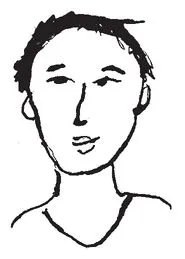
When I came to the hospital I thought I was going to pass this test and I would be with my wife again.When I finally came out I realized that it wasn’t a big game. Also, after a couple of weeks I knew that it was serious.When I first went in there they had me in a room, isolated, trying different drugs. Then one of the orderlies asked another patient to show me around. I guess when you are in the hospital you find your help from people that are in the hospital with you. Don’t let the screaming patients scare you. Don’t let the restraints scare you. They are there for your safety.
dp n="37" folio="8" ?ROMAN
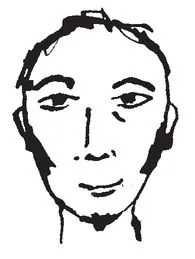
ROMAN: I was twenty-six and working at a bank.I thought people were after me, people wanted to kill me. I was hearing voices. I took off from where I was living with a girl and went to my father’s. I got five minutes of peace and then started hearing voices, cursing me out, saying they were going to kill me. I really thought they were outside. They were so audible. I thought there were snipers on the rooftops. I was hiding behind the wall in the kitchen. I thought they had ultraviolet laser vision. I told my father to call the police for help. I called the police three times. The third time the cop asked if I was all right, if I was on anything.
It was scary being in the hospital.
JACKIE
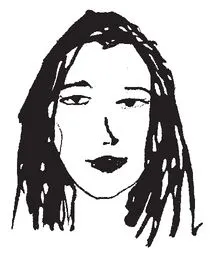
JACKIE: They brought me to the hospital and I thought they were dropping me off and leaving me there for good. I sat in the chair, and the nurse was going through my bags for anything sharp to take away. I was looking at the people and started shaking. I was really scared. They finished and put me in a room with a very nice girl with whom I became friends. The next day I saw about five or six doctors at one time and they all were asking me about my experience. The voices in my head were telling me when to say yes and when to say no and when not to say anything. They put me on Prolixin the next day. I don’t know how long it took to get better, but I was in the hospital for six weeks. I made a lot of friends. We played games and talked. We just got better together.
SHARON: It all started one snowy day away at school when I was nineteen. I did a flip on my bed. I don’t remember clearly, but it was like a dream. They told me if I didn’t get help they were going to terminate me from school. I went to the hospital looking real weird. My hair was sticking up on top of my head, and I wasn’t in my right mind. They tried to get me to eat, but I just picked at my food. I was very afraid and scared. The next thing I knew I woke up strapped down to a bed. When I looked up I saw my mother. I smiled at her. I couldn’t touch her. I couldn’t hold her. I couldn’t kiss her. But I knew she was my mother. People told her not to come up in all the snow because I wouldn’t know her, but she did.
SHARON
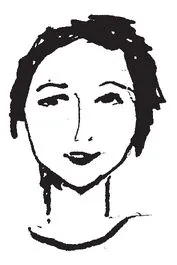
I went home with my mother for a few weeks. The second day home I couldn’t walk and I was foaming from the mouth. My mother took me to a local hospital and [the doctors] told her that the hospital upstate had given me an overdose of medication. They gave me the right dosage of Haldol and I was able to go home to my mother’s house. When I got home I was very afraid to come out of my room. I would get up in the morning, take a bath, and just go back to my room and lie in bed. I packed all my clothes because I thought I was going away somewhere. Then on certain days I would strip naked and climb into the closet like I was in prison in the Middle East. One day my little brother came down and he saw me. He asked my mother, “Why is Sharon downstairs naked in the closet?” I was very paranoid. I was scared that people were going to kill me. I thought there were helicopters flying over my house with people who knew about all the bad things I did in my life. They were going to kill me. I saw men on the wall and I saw visions of guns pointing in my direction. It was very, very scary. It was amazing that I lived from one day to the next with the constant fear.
Finally my mother got me some help and I started seeing this doctor. I told her what was going on and she finally admitted me to Zucker Hillside Hospital. I was put in Zucker Hillside on Low III. I hated being locked up with nowhere to go. Because of the state I was in, I gave the staff a lot of trouble, so I was getting injectable medication to keep me calm. I wouldn’t take the other medication. I just never liked it. When I went to group, I learned a lot about my illness, and I started taking my medicine regularly. I got better.
MEREDITH
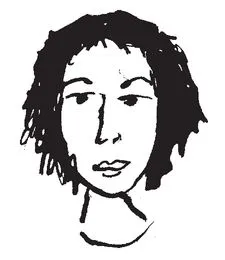
MEREDITH: Three years ago I started becoming very emotional and crying a lot. I would cry often; I’d also feel high and very happy. I always thought that was the way I was naturally, but it was to the extreme. I started having strange thoughts, like the end of the world was coming. I started feeling things like heartbeats in my stomach, and I thought I was pregnant with Jesus Christ. I thought I was crazy. One day I woke up at 5 a.m. and I went down to where my mom and dad sleep. I woke my dad. We were talking and suddenly I had the fear he was the devil. It scared me so that I ran up to the attic. I kept trying to get my sister to jump out the window. My dad ran after me. When I saw him I stuck my leg ou...
Table of contents
- Title Page
- Foreword
- Foreword
- Introductory Note
- A Note on the Title
- Acknowledgments
- About the Authors
- Using This Book
- Introduction
- 1 - IN THE BEGINNING
- 2 - SO MANY QUESTIONS
- 3 - HOW THE BRAIN WORKS
- 4 - WHAT IS SCHIZOPHRENIA?
- 5 - WHY ME?
- 6 - DIAGNOSING SCHIZOPHRENIA
- 7 - WHAT WILL PEOPLE THINK OF ME NOW?
- 8 - MEDICATION
- 9 - OUT OF THE HOSPITAL AND STAYING WELL
- 10 - COPING WITH POSITIVE AND NEGATIVE SYMPTOMS
- 11 - COPING WITH OTHER SYMPTOMS AND SIDE EFFECTS
- 12 - DRUGS, ALCOHOL, AND SAFER SEX
- 13 - UNDER THE MICROSCOPE
- 14 - ZELDA’S STORY
- 15 - WHO AM I NOW?
- 16 - GETTING THE SOCIAL SERVICES YOU NEED
- 17 - VOCATIONAL REHABILITATION
- Appendix 1 - Client Assistance Program Directory
- Appendix 2 - Vocational Rehabilitation Directory
- Appendix 3 - Other Resources
- Index
- Copyright Page
Frequently asked questions
Yes, you can cancel anytime from the Subscription tab in your account settings on the Perlego website. Your subscription will stay active until the end of your current billing period. Learn how to cancel your subscription
No, books cannot be downloaded as external files, such as PDFs, for use outside of Perlego. However, you can download books within the Perlego app for offline reading on mobile or tablet. Learn how to download books offline
Perlego offers two plans: Essential and Complete
- Essential is ideal for learners and professionals who enjoy exploring a wide range of subjects. Access the Essential Library with 800,000+ trusted titles and best-sellers across business, personal growth, and the humanities. Includes unlimited reading time and Standard Read Aloud voice.
- Complete: Perfect for advanced learners and researchers needing full, unrestricted access. Unlock 1.5M+ books across hundreds of subjects, including academic and specialized titles. The Complete Plan also includes advanced features like Premium Read Aloud and Research Assistant.
We are an online textbook subscription service, where you can get access to an entire online library for less than the price of a single book per month. With over 1.5 million books across 990+ topics, we’ve got you covered! Learn about our mission
Look out for the read-aloud symbol on your next book to see if you can listen to it. The read-aloud tool reads text aloud for you, highlighting the text as it is being read. You can pause it, speed it up and slow it down. Learn more about Read Aloud
Yes! You can use the Perlego app on both iOS and Android devices to read anytime, anywhere — even offline. Perfect for commutes or when you’re on the go.
Please note we cannot support devices running on iOS 13 and Android 7 or earlier. Learn more about using the app
Please note we cannot support devices running on iOS 13 and Android 7 or earlier. Learn more about using the app
Yes, you can access Diagnosis: Schizophrenia by Rachel Miller in PDF and/or ePUB format, as well as other popular books in Psychology & Health Care Delivery. We have over 1.5 million books available in our catalogue for you to explore.