![]()
PART 1
Introduction to International Business Environment
1 Global Business in the 21st Century
2 Corporate Citizenship, Social Responsibility, and Ethics
![]()
1
Global Business in the 21st Century
Learning Objectives
Opening Case
International and Global Business: An Introduction
A Quick Review
The Globalization Phenomena
A Quick Review
Global Focus – The Growth of SMEs
Country Focus – China
Summary
Discussion Questions
Internet Exercise
Action Items
A Case
Bibliography
Following this chapter, the reader should be able to:
- Describe the globalization phenomenon and processes
- Appreciate its significance to business executives
- Identify the multinational enterprise and its role
- Be able to assess and apply frameworks of globalization
Opening Case
The Telecommunication Industry: Success in Global Business
Most if not all the telecommunication companies have gone global. For some of these companies, global operations is a key for success. At the same time, organizing properly to uncover the global business potential is a must. Take for example Nokia Corporation (www.nokia.com). Nokia is a global telecommunications company that during the last 15 years went from a near-bankrupt conglomerate to a global leader in cell phones (mobile telephones), delivering almost 30 percent annual compound growth in revenues during the turn of the century while changing most of its product lines. By the beginning of the 21st century, Nokia had the highest margins in the cell phone industry, a negative debt–equity ratio, the most recognized nonUS brand in the world, Europe’s highest market share, a presence in 140 countries, and unique corporate structures, processes and culture that gave it the feel of “a small company soul in a big corporate body.” Along with growth in size and diversity, however, came growth in complexity: Nokia had to develop multiple businesses and technologies (all the while facing great technological uncertainties like the convergence of mobile telephony and the Internet and the growing mobile commerce applications), and had to manage a growing network of alliances and a number of acquisitions, mostly in the USA. Clearly, Nokia faced key managerial issues as it considered how to address the current challenges while maintaining unique corporate values and workplace practices that made it possible to execute in a most cost and operationally efficient manner while continuing to innovate.
The old landscape
Nokia is indeed part of the globalized telecommunication industry. This was not the case earlier on. During the last part of the 20th century, telecommunications national markets around the world were highly centralized. In most nations, there was a dominant telecommunications provider – AT&T in the United States, British Telecom in Britain, Deutsche Telekom in Germany, NTT in Japan, and Telebras in Brazil. The provider was often state-owned, and even when it wasn’t, its operations were tightly regulated by the state. Cross-border competition between telecommunications providers was nonexistent. Typically, regulations prohibited foreign firms from entering a country’s telecommunications market and competing head-to-head with the domestic carrier. Most of the traffic carried by telecommunications firms was voice traffic, almost all of it was carried over copper wires, and most telecommunications firms charged their customers a premium to make long-distance and international calls.
The transformation
By the turn of the century, most telecommunications markets around the world had already been deregulated. This allowed new competitors to emerge and compete with the dominant provider. State-owned monopolies were privatized, including British Telecom and Deutsche Telekom. Several dominant telecommunications firms, state-owned or otherwise, were broken up into smaller companies. For example, Bell had gone through a breaking up into so-called “Baby Bells,” smaller telecommunication providers. In addition, in 1998, Brazil’s state-owned telecommunications monopoly, Telebras, was privatized and broken up into 12 smaller companies that were allowed to compete with each other.
The new landscape
New wireless technologies have facilitated the emergence of new competitors, such as Orange and Vodafone in Britain, which now compete head-to-head with British Telecom, the former state monopoly. The Internet caused a major increase in the volume of data traffic (e.g., Web surfing), which is now growing much more rapidly than that of voice traffic. Much of this data traffic is being transmitted over new digital networks that utilize fiber optics, Internet protocols, and digital switches to send data around the world at the speed of light. Telecommunications firms are investing billions in digital networks to handle this traffic. Furthermore, in 1997, the World Trade Organization initiated an agreement among almost 70 countries to open their telecommunications markets to foreign competition and to abide by common rules for fair competition in telecommunications.
The globalized landscape
Most of the world’s biggest markets, including the United States, the European Union (EU), and Japan, are by now fully liberalized and open to foreign competition. A global market for telecommunications services is the current reality. Telecommunications companies are starting to penetrate each other’s markets. Prices are falling, both in the international market, where prices have long been kept artificially high by a lack of competition, and in the wireless market, which is rapidly becoming price competitive with traditional wire-line telecommunications services.
As competition intensifies, national telecommunications companies are entering into marketing alliances and joint ventures with each other to offer multinational companies a single global telecommunications provider for all their international voice and data needs. For example, AT&T, and British Telecom merged their international operations into a jointly owned company that will have $10 billion in revenues. The venture focused on serving the global telecommunications needs of multinational corporations, enabling workers in Manhattan to communicate as easily with computer systems in New Delhi, say, as with colleagues in New Jersey. AT&T, and British Telecom estimate the market for providing international communications services to large and medium-sized business customers will expand to $180 billion in 2007. Other companies that are working together on a global basis include MCI-WorldCom, the number two long-distance carrier in the USA, and Telefonica of Spain, which is also Latin America’s biggest telecommunications carrier. The Sprint Corporation, the number three long-distance carrier in the USA, is partly owned by Deutsche Telekom and France Telecom. This trio is positioning itself to compete with the WorldCom/Telefonica and AT&T/BT ventures to gain the business of multinational customers in the brave new world of global telecommunications.
International and Global Business: An Introduction
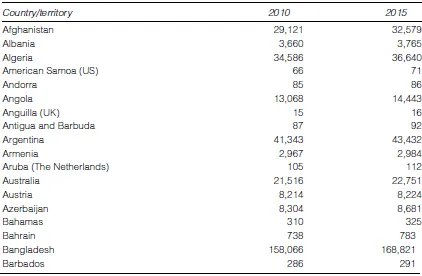
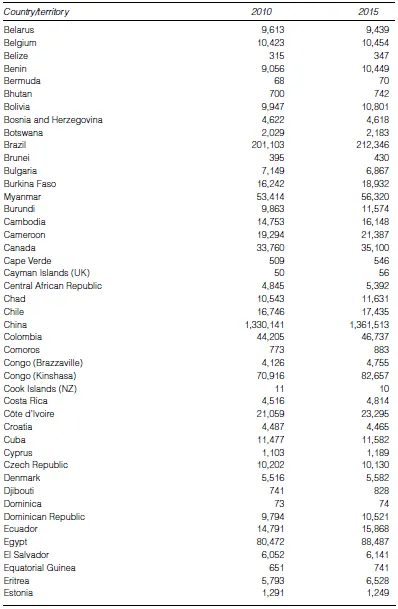
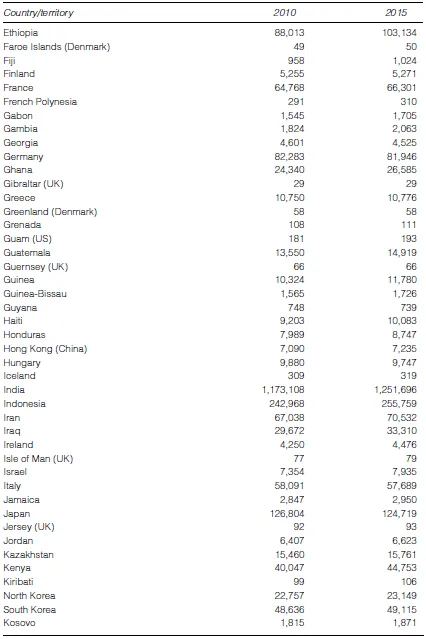
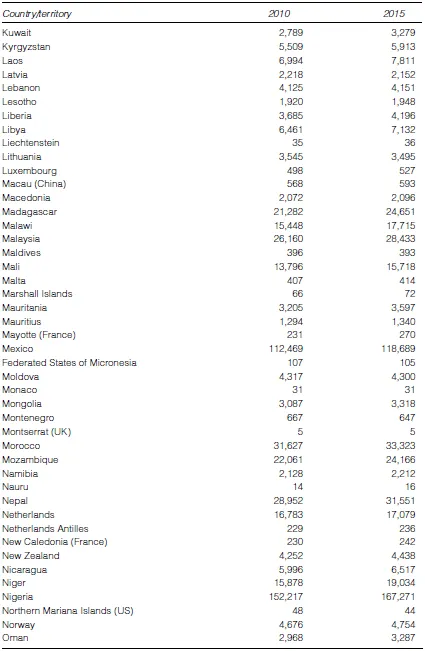
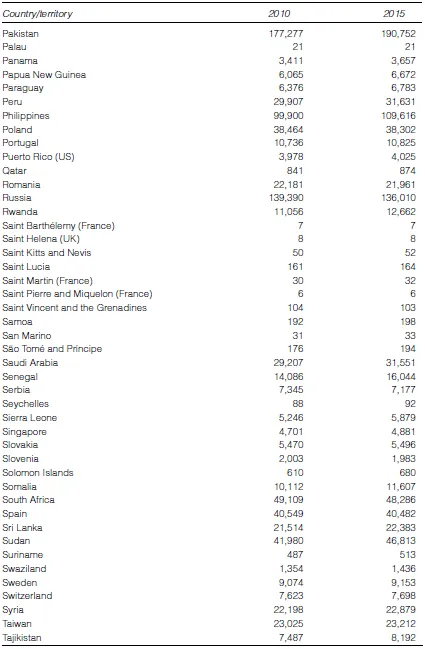
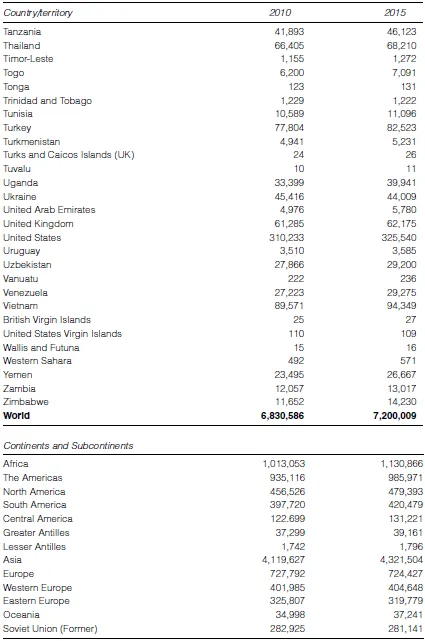
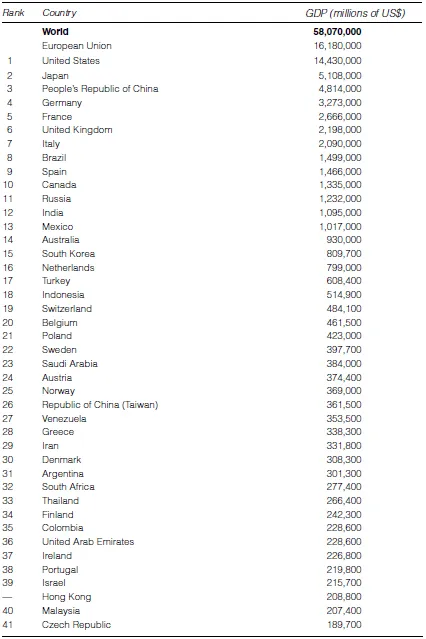
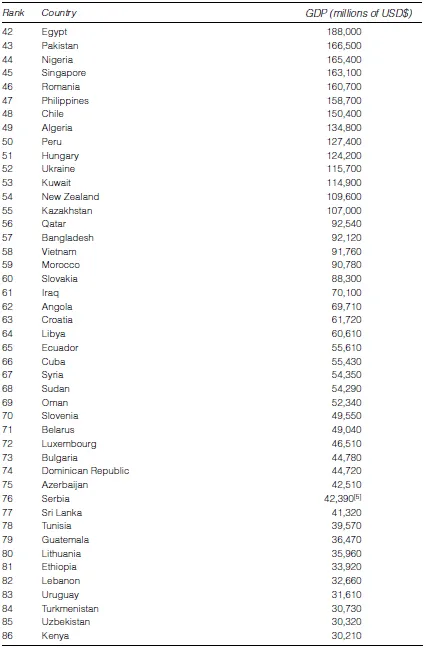
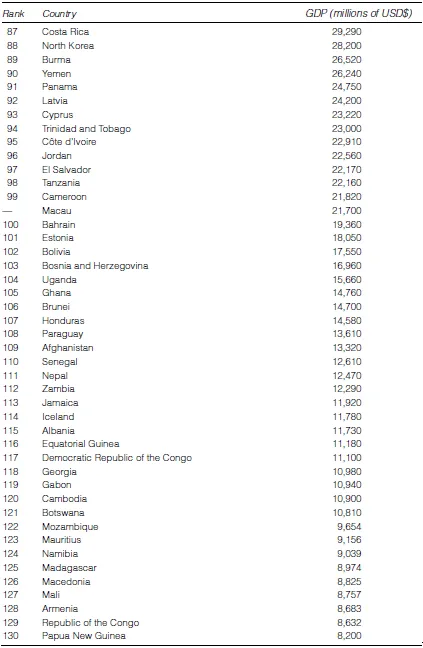
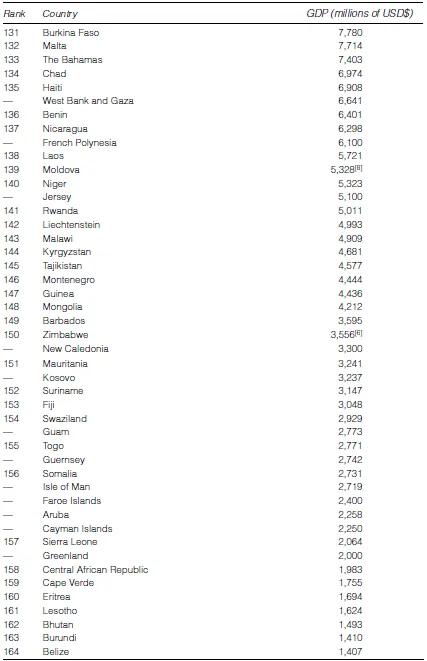
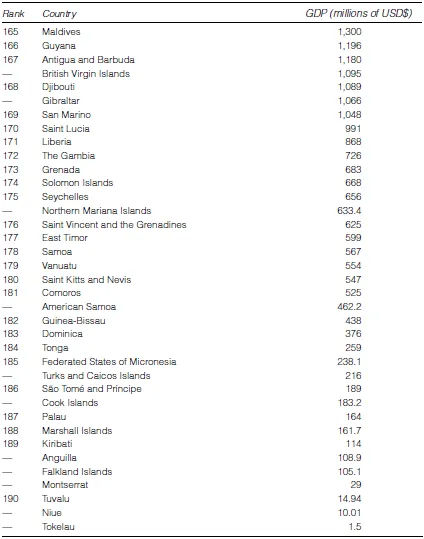
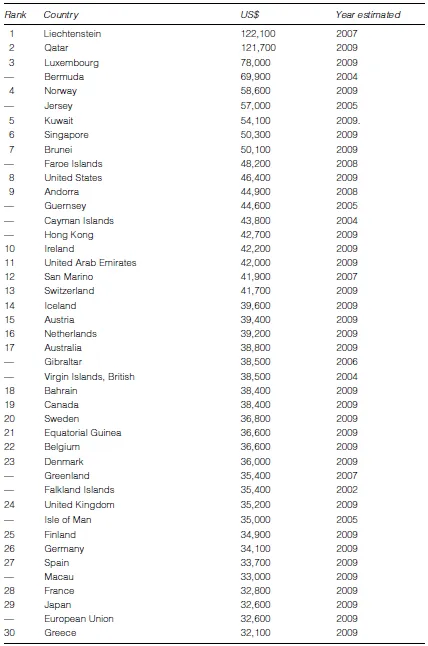
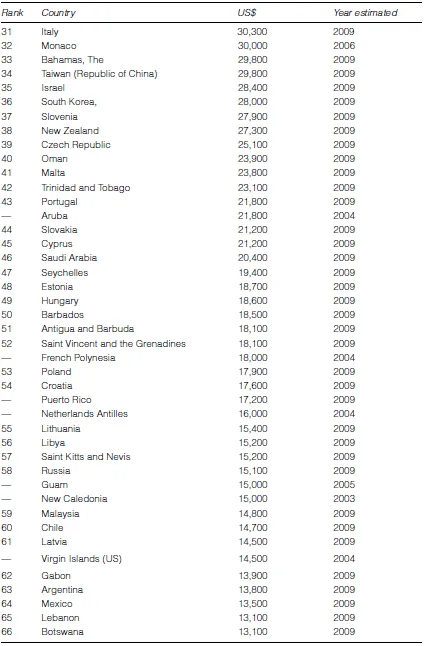
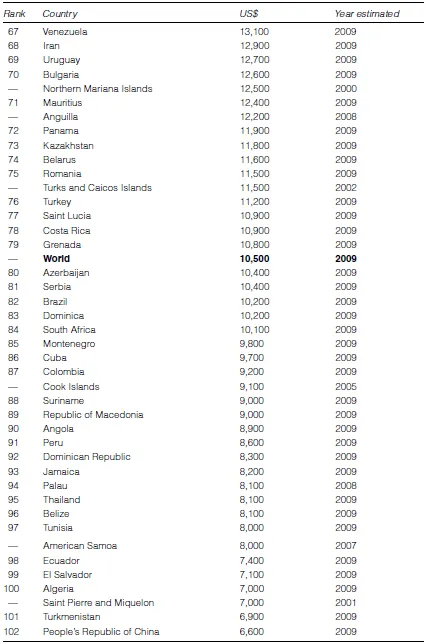
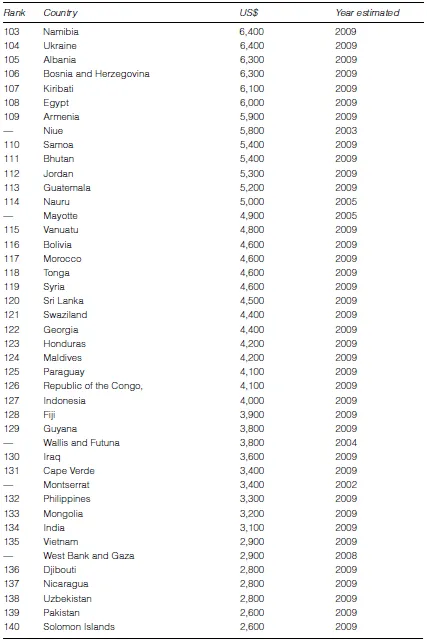
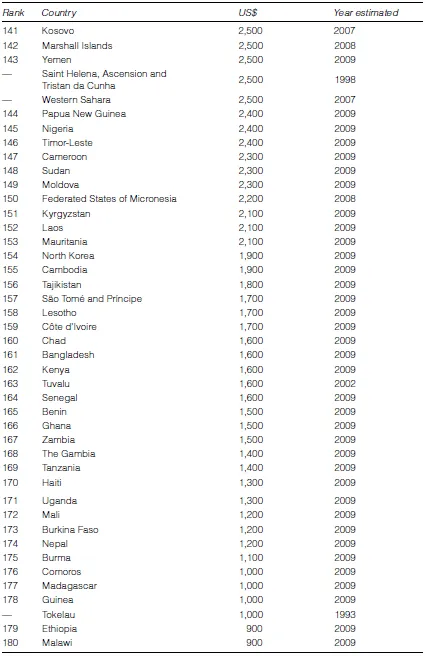
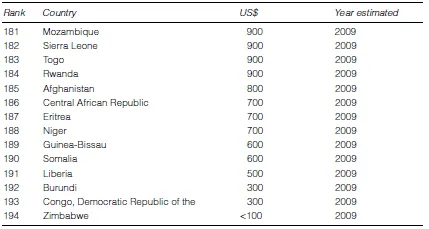
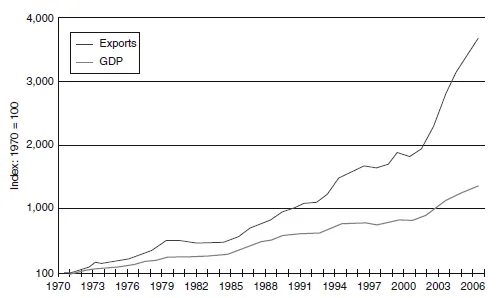
As the opening case on telecommunication indicates, the effects of internationalization and globalization are all around. These effects pervade our lives as individuals and professionals and materialize in numerous instances. To wit, let us recall a typical morning in many countries these days. We wake up in an IKEA-made bed (www.ikea.com), are clothed with a suit made in Hong Kong (www. samstailor.com), and use briefed upon waking up by the Cable News Network (www.CNN.com) to news editions generated in Atlanta, Hong Kong or London. We visit our e-mail messages or sign on to a Skype voice and data service (www.skype.com), designed and launched in Europe and acquired by North American-based eBay (www.ebay.com), using a computer, assembled in Mexico (in order to reduce tariffs on importing to the USA), with Puerto Rico’s Intel-manufactured chips (www.intel.com) and a Centrino chip designed in Israel and equipped with Microsoft software compiled in Israel (www.microsoft.com). Once at the breakfast table, we enjoy citrus juice imported from Spain or Mexico by Chiquita international fruit producer and marketer (www.chiquita.com) and coffee made by the regional Nestlé manufacturing facility (www.nestle.com), a Swiss-based company that spans the globe and touches almost all countries in the world. Table 1.1 lists countries, territories, and continents of the world and indicates the population. One should take account of the differences in population sizes and be cognizant of the fact that population growth rates may vary among countries and continents, contributing to the dynamics of international business. In Table 1.2 the size of economic activity and economic productivity, measured in gross domestic product (GDP) and GDP per capita, are recorded. Again, the variability and change in the GDP should be noted, as it may affect the attractiveness of certain markets. Note also the many countries in which the GDP per capita is below the world’s average. Figure 1.1 demonstrates the growth of world exports, which exceeds the growth of GDP. This fact, plus the growth of international trade noted in Figure 1.2, demonstrate the magnitude and increasing importance of international business.
Table 1.1 Population of Countries, Territories, Continents, and Subcontinents as of 2010 and 2015 (projected in thousands)
Source: Adapted from Current CIA World Fact Book.
Table 1.2a Countries’ Gross Domestic Product (GDP)
Source: Adapted from Current CIA World Fact Book.
Table 1.2b Countries’ Gross Domestic Product (GDP) Per Capita
Source: Adapted from Current CIA World Fact book.
Figure 1.1 Comparing the growth rates of world’s GDP and world’s exports (Adapted from Current CIA World Fact Book)
Figure 1.2 Leading countries in international merchandise trade. (a) Total annual value of products trade (exports + imports) in billions of US dollars. World Trade Organization (www.wto.org). (b) Total annual value of products trade (exports + imports) as a percentage of nation’s GDP
International Business
International business is defined as all business activities, including the creation and transfer of resources, goods, services, know-how, skills, and information, which transcend national boundaries. The resources may be raw materials, energy, technological know-how and patents, capital, and organizational skills. Goods include manufactured parts, sub-assemblies, and assemblies. Services may include accounting, financial, legal, consulting, import and export, health care, and transportation. Know-how may include product and process technological innovations, copyrights, trademarks, and brands. Skills may include organizational and managerial skills. Information includes databases as well as information networks.
One may look at the economic activity of an organization and describe it as a set of consecutive business activities, each adding value to the product or service created. These activities are described in terms of the value added by each one of the activities. As such, all products and services that are brought into or shipped away from a certain country involve value-generating activities, such as design, development, production, delivery, and after-sale service and support activities. It is the proportion of the value-added activities that are performed across country lines that fall under the definition of international business. Take, for example, IKEA (IKEA.com), the producer of household furniture and fixtures. IKEA may purchase wood, kilned and dried in Norway. It then produces furniture parts and assemblies in Sweden, which may have been designed in Denmark. Following shipping to the USA, it is put on display in the stores, to be purchased and assembled by customers. Each of these activities adds value to the final piece of furniture by IKEA and constitutes part of international trade when it crosses international boundaries. The total values of goods and services involved in these activities and business transactions worldwide are upwards from $16 trillion (oecd.org), well over the sales volume of some of the largest corporations and larger than some countries’ gross national product (GNP). The prevalence of the value of internationally shipped and transferred services is demonstrated in Table 1.3, which lists the services that are internationalized quickly.
As more services and goods are transferred...