Focusing on the master-slave relationship in Louisiana's antebellum sugarcane country, The Sugar Masters explores how a modern, capitalist mind-set among planters meshed with old-style paternalistic attitudes to create one of the South's most insidiously oppressive labor systems. As author Richard Follett vividly demonstrates, the agricultural paradise of Louisiana's thriving sugarcane fields came at an unconscionable cost to slaves.
Thanks to technological and business innovations, sugar planters stood as models of capitalist entrepreneurship by midcentury. But above all, labor management was the secret to their impressive success. Follett explains how in exchange for increased productivity and efficiency they offered their slaves a range of incentives, such as greater autonomy, improved accommodations, and even financial remuneration. These material gains, however, were only short term.
According to Follett, many of Louisiana's sugar elite presented their incentives with a "facade of paternal reciprocity" that seemingly bound the slaves' interests to the apparent goodwill of the masters, but in fact, the owners sought to control every aspect of the slaves's lives, from reproduction to discretionary income. Slaves responded to this display of paternalism by trying to enhance their rights under bondage, but the constant bargaining process invariably led to compromises on their part, and the grueling production pace never relented. The only respite from their masters' demands lay in fashioning their own society, including outlets for religion, leisure, and trade.
Until recently, scholars have viewed planters as either paternalistic lords who eschewed marketplace values or as entrepreneurs driven to business success. Follett offers a new view of the sugar masters as embracing both the capitalist market and a social ideology based on hierarchy, honor, and paternalism. His stunning synthesis of empirical research, demographics study, and social and cultural history sets a new standard for this subject.
eBook - ePub
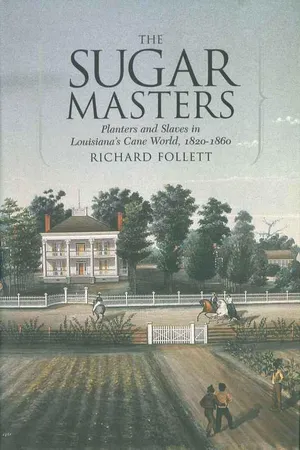
The Sugar Masters
Planters and Slaves in Louisiana's Cane World, 1820--1860
- 304 pages
- English
- ePUB (mobile friendly)
- Available on iOS & Android
eBook - ePub
About this book
Information
INDEX
Acklen, Joseph, 114, 178
Adams, John, 228
Affleck, Thomas, 71, 72, 112–13, 176–77
Age: of slaves, 51, 52–54, 53n11, 56–57, 61, 62, 80, 88
at menarche, 57
of mothers at birth of first children, 68, 69
of overseers, 137
Aggy (slave), 130, 138, 147
Agricultural societies, 17, 39, 41
Aime, Valcour, 25, 36, 62, 91
Alcohol use by slaves, 166–71, 167n19, 191, 198
Andrew (slave driver), 97
Andrews, Ethan, 52–53
Antilles, 48, 127
Ardoyne Plantation, 128–29
Armfield, John, 52–53, 56–57, 58, 59, 61
Arson, 148
Artisans. See Skilled slaves
Ascension Parish, 25, 31, 32, 33, 62, 130, 146
Ashe, Thomas, 19
Ashland Plantation, 184, 205–6
Assembly-line production, 93, 94, 102–3, 105, 120
Attakapas district, 14–15, 21, 32, 39, 82, 83, 104, 127, 143–44, 189, 190
Avoyelles Parish, 21, 31, 82, 83
Bagasse furnaces, 32, 35–36, 109
Banks, 29–30
Baptiste, Jean, 125
Barbados, 134
Barrow, Alexander, 27–28
Barrow, Bennet H., 115
Barrow, Robert Ruffin, 64, 97, 105, 124, 164, 194, 201
Bauer, Craig, 9
Bay Farm, 107, 170
Bayou Lafourche, 135, 188
Bayou Plaquemine, 39, 51
Bayou Sara, 21, 65
Bayou Teche, 14–15, 21, 37, 71, 83, 127, 148, 165, 171
Bayside Plantation, 124
Bellechasse Plantation, 34
Bellevue Plantation, 215
Ben Lomand Plantation, 83
Benjamin, Judah, 34
Benwell, John, 173
Betts, Ellen, 11, 66, 76, 171, 221, 222
Bias, William, 125, 127
Birth control, 75–76
Birth intervals for slave women, 71–73, 109–10
Birthrates of slaves, 50, 64
Black Code (1806), 19–20
Blacksmithing, 125, 127
Boré, Etienne, 17, 22–23
Bowdon Plantation, 130, 146–47
Bowman, J. P., 69, 73, 99, 189
Brackenridge, Henry, 19
Bradburn, William P., 36–37, 107
Brashear, Walter, 68, 80, 177
Brazil, 90
Breast-feeding, 70–72, 74
Breeding of slaves, 49, 55, 58, 58n16, 67–78, 89
Broomfield, Ellen, 188
Brown, Verice, 188
Brulé Plantation, 82
Burnside, John, 3, 85
Butcher, Aaron, 205
Butler, Benjamin, 149
Butler, Edward, 109
Butler, Henrietta, 67–68, 179, 192, 216
Cail, Jean-Françoise, 33
Cairnes, John Elliot, 119–20
Cajuns, 84–85
Canal construction, 39–40
Cane carriers, 104, 107, 130
Cane cutters, 102
Cane sugar industry: production statistics in, 4, 15, 18, 19, 21, 22, 23, 25, 26n13, 83, 99, 125, 128, 164, 165, 172
sabotage and resistance in, 5, 126, 130, 138, 142–49, 142–43n31, 189
and frost damage, 10, 11, 17, 22, 23, 46, 93, 109
and growing season, 10–11, 22, 92–93
overview of sugar production, 10–13
work culture of, 11–13
and grinding season, 12, 13, 46–47, 81–87, 101–6, 130–31, 135, 144–45, 160–62, 209
transformation of, in early nineteenth century, 17–18, 22–23
production costs in, 18, 27–29
revenues and profits from, 18, 26, 27, 34
ecological and environmental problems of, 10, 22–23, 92–93
and varieties of cane, 22–23
and windrowing canes, 22
compared with cotton production, 30–31, 32, 92, 195
open-kettle method of sugar production, 12, 33–34, 36–38
and vacuum processing, 33–37, 128, 129, 149
and timber collection, 35, 200–202, 204, 205
immigrant labor in, 47, 85–86, 91
slave rental for, 81–84, 86–88, 87n46, 89
Creole or Cajun labor for, 84–85
acreage farmed per worker in, 25, 92
distinctive characteristics of, and plantation management, 92–96
planting and cultivating, 99–101
and harvesting season, 101–2, 104–5, 148–49, 159, 172
and cane cutters, 102
after Civil War, 234–37
strikes in, 234–35. See also Mechanization and industrialization of sugar production
Plantation management
Sugar mills
Sugar plantations
Sugar planters
and specific countries
Cane-cutting ritual, 162–63
Capital investment, 28–37, 42, 88
Capitalism, 4n2, 6–8, 9, 150
Caribbean, 8, 10, 11, 25, 27, 43–44, 50, 71, 92, 93, 127–28, 134, 135
Carondelet, Baron de, 203
Carpentry, 84, 118, 123, 124, 125, 209
Carter, Farish, 54
Cartwright, Samuel, 105, 161
Catalpa Grove, 83
Chapman, A. J., 35
Charleston slave market, 54, 65
Chauvin, Dr., 203–4
Childbearing and pregnancy of slave women, 57, 58, 67–75, 74n32, 89. See also Reproductive potential of slaves
Children. See Slave children
Cholera, 190–91
Christianity, 226–32, 227n35
Christmas feasts and rewards, 5, 139, 152, 155–60, 163–66, 168, 170–72
Churches. See Religion
Claiborne, William C. C., 18
Clay, Henry, 26–27
Clinton, Catherine, 58
Clothing of slaves: and gender division of labor, 100–101
as incentive, 132, 160n12, 166, 171, 172
slaves’ purchase of, 212–15
inadequacy of, provided by planters, 215
for dancing, 221, 222, 223, 225
Coffee industry, 92
Colbert (slave), 127, 128, 138
Colbert, Jean Baptiste, 127
Collins, Robert, 113
Colomb, Octave, 83
Commissary, 123, 195, 216
Compensation systems. See Incentives for slaves
Wages
Congo, Peter, 124–25, 138
Conrad, Frederick, 83
Constancia Plantation, 182, 201–2
Contraception, 75–76
Cooks, 112, 113
Coopering skills, 118, 123, 125–26, 128
Corn production, 202–5, 211, 212, 217
Cornelius, Catherine, 96, 166, 188–89, 231
Cost: of sugar production, 18, 27–29
cotton prices, 21, 44
sugar prices, 21, 26, 27, 34, 44
of farm machinery, 31, 32, 33
of multiple-effect evaporator, 34
of bagasse furnace, 35–36
shipping costs, 39
slave prices, 50, 60–61, 64, 87, 125, 127, 188
of slave rental, 86–88
value of skilled slaves, 118, 125, 127
of medical care, 189
corn prices, 203, 204–5, 212
Cotton production, 21, 30–31, 32, 42, 44, 62, 69, 72–73, 83, 92, 100–101, 195
Craftsmen. See Skilled slaves
Crane, Andrew, 84
Credit and debt, 28–30, 37
Creoles, 84–85
Cuba, 25, 27, 43–44, 49, 51, 84, 85n44, 90, 104, 134, 182
Dakin, James H., 35
Dance, 165, 171, 213, 219, 220–26, 228, 229–30. See also Music
Dardenne, Eugenie, 51
De Bow, James, 17
De Bow’s Review, 30, 35, 112n24, 113, 114, 178, 186, 190–91
De Buiew, Edward, 74, 232
Deaths of slaves, 74, 175, 191, 192, 194
Deballièvre, Jean, 118–19, 122–23
Debt. See Credit and debt
DeGruy, Master, 68, 166
Demerera, 134
Demographics of slaves. See Slave demographics
Derosne, Charles, 33
D’Estrehan, Jean Noel, 17–18, 22–23
D’Iberville, Achille Sigur, 118
Diet. See Food for slaves
Discipline of slaves. See Punishment of slaves
Diseases. See Illnesses
Divorce, 80, 80n40
Doby, Frances, 68, 71, 166, 220
Doctors. See Medical care
Douglass, Frederick, 119, 168, 169
Doyal, Henry, 62
Doyle, H. G., 107
Durnford, Andrew, 51, 85–86, 139
Dusinberre, William, 6, 160n12
Dymond, John, 124, 231
Edwards, Bryan, 49, 198
Elia Plantation, 154
Ellendale Plantation, 147–48
Emerson, Ralph Waldo, 119
Engerman, Stanley, 6, 56, 95, 128n11
Engineers and engineering skills, 123, 124, 125, 127, 136
Erwin, Isaac, 85, 106, 171–72, 173
Eureka Plantation, 107, 128
Factories. See Industries in North
Fagot, Samuel, 86, 201–2
Familial and kin networks of slaves, 53, 64, 65, 68–69, 79–80, 79n39
Farm machinery, 31, 32, 33
Fertility. See Childbearing and pregnancy of slave women
Reproductive potential of slaves
Field work by slaves, 25, 26n13, 48, 55, 70–71, 73–75, 74n32, 91–92, 96–102
Fleischmann, Charles, 16
Fletcher, Rebecca, 70, 75, 192
Flint, Timothy, 91, 114–15
Florida, 56n13, 65
Fogel, Robert, 6, 56, 57n14, 95, 120, 128n11
Food for slaves: as incentive, 5, 131, 132, 151, 159–62, 160n12, 165, 166, 171, 172
and nutritional deficiencies, 77–78
insufficient amount of, for hired slaves, 84
and centralized meal services, 112, 113
in grinding season, 131, 160–62
seasonal variations in, 159
holiday meals, 165, 171, 172
and garden plots of slaves, 202–3, 205–6, 211–12
slaves’ purchase of, 215
Ford Motor Company, 103
Forest Home, 157–58
Forstall, Edward, 25, 36
Fortier, Alcée, 220–21, 223
Fourth of July holiday, 172–73
Fox, Tryphena Holder, 74
François (slave), 118, 119, 122–23, 124, 127, 138
Franklin, Isaac, 52–53, 56–57, 58, 59, 61
Frederick (Weeks’ slave), 125, (Lanaux’s slave), 215–16, 217
Free blacks, 51, 124n7
Free labor. See White laborers
Frogmoor Plantation, 99, 112, 168
Fugitive slaves. See Runaway slaves
Gabriel, 134
Gang labor, 95–100, 139–40, 142
Garden plots, 202–3, 205–6, 211–12
Garner, Bill, 126, 138, 209
Gay, Edward, 86–87, 106, 126, 207–9, 210, 219
Gender: division of slave labor by, 47–50, 99–100, 127–28
of slaves on sugar plantations, 47–69, 88–89
and slave prices, 60–61, 64
of slaves on cotton plantations, 62
and hired slave wages, 87
family gender roles, 154n4. See also Reproductive potential of slaves
Slave women
Genovese, Eugene, 6–7, 121, 153n3, 155n6
George, Ceceil, 46, 55, 70, 176, 184, 214–15, 219
George, Octavia, 60, 198
Gillman, Samuel, 35
Gordon, Martin, 82, 204
Grand Cote Island and Plantation, 14–16, 25, 124–25, 144, 148, 164, 189
Grand Marais project, 39–40
Grinding season, 12, 13, 46–47, 81–87, 101–6, 130–31, 135, 144–45, 160–62, 209. See also Harvesting season
Guitlot, Master, 67
Habitation Pointe aux Chenès, 50
Haidee, Emily, 216
Haiti, 134
Hamilton, Douglas, 65
Hamilton, John A., 143, 173–74
Hamilton, William, 231
Hamilton, William B., 44–45, 65, 107
Hampton, Wade, 117, 202
Hanna, James J., 128
Harris, Mary, 179
Harvest home festivities, 159–60, 169–72, 219–21
Harvesting season, 101–2, 104–5, 148–49, 159, 172. See also Grinding season
Health care. See Medical care
Hebert, Euphiman, 84
Heitmann, John, 9
Herbal remedies, 188
Hewitt, L., 144
Hidden action scenarios, 138–39
Hidden information problems, 139
Highland Plantation, 115
Hill, Peter, 174
Hines, Elizabeth, 70, 161, 184
Hired slaves, 81–84
Hite, Elizabeth Ross: on breeding of slaves, 67
on infant care, 70–71
on punishment of slaves, 176, 178
on medical care, 188, 193
on cleaning slave cabins, 191
and household economy of slaves, 211–12, 217
on dancing by slaves, 221, 222, 225
religion of, 226–30, 232
Hoe gangs, 99–100
Hog Point, 107
Holidays. See Christmas feasts and rewards;
Harvest home festiviti...
Table of contents
- COVER
- TITLE PAGE
- COPYRIGHT PAGE
- CONTENTS
- ACKNOWLEDGMENTS
- ABBREVIATIONS
- PROLOGUE: THE SUGAR MASTERS
- ONE: “A SHARE OF AMBITION”
- TWO: “HEATHEN PART O’ DE COUNTRY”
- THREE: “AN INTELLIGENT EYE”
- FOUR: “A VERY INGENIOUS AND MECHANICAL MAN”
- FIVE: “MEN OF SENSE”
- SIX: “INCHIN’ ALONG”
- EPILOGUE
- BIBLIOGRAPHY
- INDEX
Trusted by 375,005 students
Access to over 1.5 million titles for a fair monthly price.
Study more efficiently using our study tools.
Frequently asked questions
Yes, you can cancel anytime from the Subscription tab in your account settings on the Perlego website. Your subscription will stay active until the end of your current billing period. Learn how to cancel your subscription
No, books cannot be downloaded as external files, such as PDFs, for use outside of Perlego. However, you can download books within the Perlego app for offline reading on mobile or tablet. Learn how to download books offline
Perlego offers two plans: Essential and Complete
- Essential is ideal for learners and professionals who enjoy exploring a wide range of subjects. Access the Essential Library with 800,000+ trusted titles and best-sellers across business, personal growth, and the humanities. Includes unlimited reading time and Standard Read Aloud voice.
- Complete: Perfect for advanced learners and researchers needing full, unrestricted access. Unlock 1.5M+ books across hundreds of subjects, including academic and specialized titles. The Complete Plan also includes advanced features like Premium Read Aloud and Research Assistant.
We are an online textbook subscription service, where you can get access to an entire online library for less than the price of a single book per month. With over 1.5 million books across 990+ topics, we’ve got you covered! Learn about our mission
Look out for the read-aloud symbol on your next book to see if you can listen to it. The read-aloud tool reads text aloud for you, highlighting the text as it is being read. You can pause it, speed it up and slow it down. Learn more about Read Aloud
Yes! You can use the Perlego app on both iOS and Android devices to read anytime, anywhere — even offline. Perfect for commutes or when you’re on the go.
Please note we cannot support devices running on iOS 13 and Android 7 or earlier. Learn more about using the app
Please note we cannot support devices running on iOS 13 and Android 7 or earlier. Learn more about using the app
Yes, you can access The Sugar Masters by Richard Follett in PDF and/or ePUB format, as well as other popular books in History & North American History. We have over 1.5 million books available in our catalogue for you to explore.