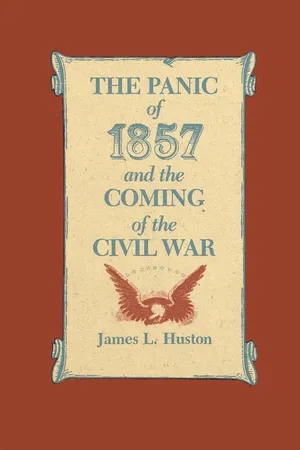
In the autumn of 1857, sustained runs on New York banks led to a panic atmosphere that affected the American economy for the next two years. In The Panic of 1857 and the Coming of the Civil War, James L. Huston presents an exhaustive analysis of the political, social and intellectual repercussions of the Panic and shows how it exacerbated the conflict between North and South.The panic of 1857 initiated a general inquiry between free traders and protectionists into the deficiencies of American economic practices. A key aspect of this debate was the ultimate fate of the American worker, an issue that was given added emphasis by a series of labor demonstrations and strikes. In an attempt to maintain the material welfare of laborers, northerners advocated a program of high tariffs, free western lands, and education. But these proposals elicited the opposition of southerners, who believed that such policies would not serve the needs of the slaves system. Indeed, many people of the period saw the struggle between North and South as an economic one whose outcome would determine whether laborers would be free and well paid or degraded and poor.Politically, the Panic of 1857 resurrected economic issues that had characterized the Whig-Democratic party system prior to the 1850s. Southerners, observing the collapse of northern banks, believed that they could continue to govern the nation by convincing northern propertied interests that sectionalism had to be ended in order to ensure the continued profitability of intersectional trade. In short, they hoped for a marriage between the Yankee capitalist and the southern plantation owner.However, in northen states, the Panic had made the Whig program of high tariffs, a national bank, and internal improvements popular with distressed members of the community. The country's old-line Whigs and nativists were particularly affected by the state of economic affairs. When Republicans moved to adopt a portion of the old Whig program, conservatives found the attraction irresistible. By maintaining their new coalition with conservatives and by exploiting the weaknesses of the Buchanan administration, the Republicans managed to capture the presidency in 1860.No other book examines in such detail the political ramifications of the Panic of 1857. By explaining how the economic depression influenced the course of sectional debate, Huston has made an important and much-needed contribution to Civil War historiography.
- 336 pages
- English
- ePUB (mobile friendly)
- Available on iOS & Android
eBook - ePub
The Panic of 1857 and the Coming of the Civil War
About this book
Information
Subtopic
North American HistoryIndex
HistoryIndex
Abbott, Nehemiah, 189
Abolitionists: and Republicans, 11
and banking, 58–59
and labor, 102–103
Adrain, Garnett B., 148
Agricultural college issue, 113, 128, 192, 195, 203, 239, 248, 266
Agriculture, 3–4, 18–19, 30–32, 33–34, 210, 211–14. See also Breadstuffs; Foodstuffs; Wheat; Cotton
Alabama, 87, 235
Alley, John B., 229–30
American party. See Know-Nothings
American system, 72, 188, 222
Appleton, Nathan, 38
Arnold, Jared, 102
Ashmore, J. D., 54
Atkins, John, 122
Bailey, Gamaliel, 92, 103
Bankers, 2–3, 15, 16, 17–18, 19, 21–22, 24, 35, 37, 40, 211
Bank of England, 43
Bank of Pennsylvania, 17
Bankruptcy law, 114, 115, 118
Banks: early practices of, 1–3
and Panic of 1857, pp. 15–24, 262
public attacks on, 28, 35, 37–42, 44–47
and state activity, 53–58
economic thought on, 69–70, 71–72, 77
in 1859–60, pp. 210–11
Banks. Nathaniel P., 44, 45, 48, 52, 120
Bannan, Henry, 29
Bates, Edward, 241
Bell, John, 117, 132, 236, 250
Benjamin, Judah, 181
Bennett, James Gordon, 36, 179, 180, 182, 253, 255
Bigelow, John, 241
Bigler, William, 111–12, 134, 140, 148, 150, 181, 184
Black, Jeremiah S., 113
Blacks, 6, 7, 13, 93–94
Blaine, James G, 267
Boston, 2, 17
Boteler, Alexander R., 234, 250, 255
Boutwell, George S., 44
Bowen, Francis, 73, 92, 103–104, 105, 107
Boyce, William, 112, 135, 206
Brace, Charles Loring, 102
Bread riots: in 1857, pp. 25–27
and public opinion, 79–81, 83, 97–98, 99, 108, 122, 126. See also Labor
Breadstuffs, 5–6, 31–32, 34, 210, 213–14, 253, 262. See also Foodstuffs; Wheat
Breckinridge, John C., 236
Bright, Jesse D., 174
Brown, Aaron V., 113, 176
Brown, David S., 49–50
Brown, John, 221, 233, 240, 243
Brown, Joseph E., 54, 55, 86
Brownlow, William G., 80, 86, 90
Bryant, William Cullen, 44, 91, 149, 229, 241
Buchanan, James: early presidency of, 12
and banking issue, 57
cabinet, 113
and Panic of 1857, p. 114
and economic issues in 1858, p. 129
and federal finances, 130
and elections of 1858, pp. 139–40, 145, 147, 151, 153, 166–67, 171–72
Lecompton policy, 174
and Cuba, 175, 177–78
and economic issues in 1859, pp. 174, 175, 184, 191, 192, 193, 205
and economic issues in 1860, pp. 247–49
and election of 1860, p. 254
mentioned, 42, 166, 232
Burke, Andrew, 148
Business cycles, 5
Businessmen, 33, 218, 223, 253, 263, 268
California, 11, 36, 151, 256
Call loans, 21,210–11
Cameron, Simon, 112, 133–34, 136, 241–42, 244, 249
Campbell family, 21–22
Campbell, Lewis D., 149
Campbell, William B., 21
Camphill, George, 26
Carey, Henry Charles: protectionist theory of, 73–78
and abolitionism, 91, 92
view of Ricardo and Malthus, 104–105
and wages, 106, 107
and politics, 135, 136, 145, 187, 242, 249
mentioned, 119,222
Carey, Mathew, 73
Carroll, Charles H., 71, 72
Cass, Lewis, 113
Catholic church, 9, 155
Central America, 16
Chaffee, Calvin, 189
Chandler, Zachariah, 132
Chase, Salmon P., 44, 47–48, 50, 52, 233, 241, 244
Chicago, 27
Child, Lydia Maria, 25
Children’s Aid Society, 102
Claiborne, John, 124
Clark, Edward, 17–18
Clay, Clement, 128, 133
Clay, Henry, 43, 72, 73, 155, 222, 244
Clearinghouse association. See New York clearinghouse association
Cleveland Disunion Convention, 58
Clingman, Thomas L., 170
Coal, 29, 211, 212
Cobb, Howell: and Panic of 1857, pp. 16–17, 23
cabinet, 113
and tariff and banks in 1857–58, pp. 114–16
and federal finances in 1858, pp. 116–17, 129–30, 137–38
and finances in 1858–59, pp. 174, 175–76, 177, 180, 184, 193, 205
and election of 1860, p. 250
Cobb, W. R. W, 128
Collamer, Jacob, 136
Colton, Calvin, 73
Colwell, Stephen, 73, 103, 106
Commerford, John, 102
Congress, 34th, 3rd Sess., 12
Congress, 35th, 1st Sess.: and Panic of 1857, pp. 117–18
and tariff, 119–20, 132–33
and economic sectionalism, 120, 128
and unemployment question, 119–20, 121–22, 132–33
and Lecompton issue, 116, 121–27
Congress, 35th, 2nd Sess.: and tariff, 179–88, 204–208
and Cuba, 175, 178–79, 181, 182
and retrenchment and finance, 189–92
and Pacific railroad, 190–91
and shipping subsidies, 190
homestead and land policy of, 191–92
Congress, 36th, 1st Sess.: and corruption, 245
and finances, 245–46
and tariff, 246–47
homestead act of, 247–48
Connecticut, 57, 253
Conservatives. See Whigs; Know-Nothings
Constitutional Union party, 234–35, 239, 243, 250, 251
Cooke, Jay, 17
Cooper, Mark A., 222
Corporations, 36
Corruption issue, 241, 242, 245–46
Cotton: and slavery, 3, 6
prices of in 1857, p. 18
recovery of in 1858, pp. 33–34
and southern opinion, 1857–58, pp. 60, 62–64, 255–56
and prosperity, 1859–60, pp. 211–12
political use of, 216–17, 219, 223–24
mentioned, 75, 122, 125
Cotton Supply Association, 63–64
Covode, John, 132–33, 136
Cragin, A. H., 190
Crawford, Martin J., 180, 183
Crimean War, 5, 34, 262
Crittenden, John J.: and republicanism, 89–90
and tariff and unemployment, 117, 119, 132
and election of 1860, pp. 232, 234
Cuba, acquisition of, 177–79, 182, 186, 236
Curry, Jabez L. M., 122
Curtin, Andrew, 242, 249, 257
Davis, David, 242
Davis, Henry Winter, 180
Davis, Jefferson, 111, 174, 189–90
Democratic party: and southerners, 7–8
and slavery issue, 10
and banking issue, 35, 39, 41–42, 47–49, 54, 57–58
and election of 1857, pp. 47–48, 49, 50, 52–53
economic thought of, 67, 109
and Congress 1857–58, pp. 111–13, 127, 128, 132, 133
and election of 1858, pp. 139–41, 141–43, 147–51, 152–53, 154, 156–58, 162–63, 166–68, 169, 172
and Congress 1858–59, pp. 173–74, 180–86, 188, 189, 193, 194–95, 204–208
and labor, 220, 225–26, 228—29
and nonintercourse movement, 223, 224
and conventions of 1860, pp. 231, 233, 235–36
and Congress 1859–60, pp. 247, 248–49
and election of 1860, pp. 250–51, 253–54, 255, 256–58, 260
and economic issues, 263, 264–66, 267
Deposits. 3, 21, 71–72
Dewart, William, 193
Dix, John A., 169
Dixon, James, 117
Douglas, Stephen A.: and slavery issue, 10
leadership role of, 111–12, 121
and election of 1858, p. 139, 141, 151, 153
split with Buchanan, 174
and tariff issue, 181–82
and election of 1860, pp. 232, 233, 251, 252, 254, 255
mentioned, 138, 242
Dowdell, James F., 180
Dred Scott court case, 12–13, 50, 141
Dubois, Jesse K., 45
Economic issues, 11, 64–65, 67, 120–21, 142, 143, 194–208, 244–45, 247–49, 251–52, 261–62, 263–68. See also Agricultural college issue; Fishing bounties; Homestead issue; Internal improvements; Pacific railroad issue; River and harbor improvements; Tariff
Economy: in 1858, pp. 28–34
in 1859–60, pp. 210–16
Education and free labor, 8, 108, 109–110, 192, 227, 229, 230, 274
Election of 1857, pp. 47–53
Election of 1858: and Democratic party, 139–41, 147–51
in Pennsylvania, 140, 143–51, 153–66
and Republican party, 141, 144–47
general economic issues in, 142–43
Kansas and Lecompton issues in, 141–43, 144, 146, 147, 152, 153, 157, 162, 168–69
tariff issue in, 142, 144–47, 155, 156, 168–69
and Know-Nothings, 153, 155–56, 160, 162–63
results of, 151–66
southern reaction to, 169–72
Election of 1860: and Constitutional Union party, 232, 233–35, 236–37, 243–44, 250, 251, 256, 257
role of Pennsylvania in, 231–33,240–51
Democratic convention, 235–36
Republican convention, 237–43
Republican campaign, 249–50, 251–52
Breckinridge Democracy campaign, 250–51
Douglas Democracy campaign, 251, 253
economic issues in, 251–54
and question of secession, 255, 260
and fusion attempts, 256
results of, 254–60
England, 4, 31, 34, 63, 75, 105, 106
English, William, 127
Erie Canal, 56
Europe, effect on U.S. economy, 5, 19, 31, 34, 211, 213, 253, 262
Everett, Edward, 35, 237
Fessenden, William Pitt, 112, 117
Field, David Dudley, 48
Finance. See Banks
Fire-eaters, 60, 219
Fishing bounties, 127, 128, 129, 132, 177, 252
Fitzhugh, George, 82–83, 87, 91, 92, 93
Florence, Thomas, 183
Floyd, John B., 113, 176
Foodstuffs, 5. See Breadstuffs
Foreign trade, 5, 14, 210, ...
Table of contents
- Cover
- Title Page
- Copyright Page
- Dedication
- Contents
- Tables
- Preface
- Acknowledgments
- One / A Pensive Nation
- Two / Panic Stalks Wall Street
- Three / Public and Political Reactions
- Four / Economic Thought and the Panic of 1857
- Five / Two Panics in Congress
- Six / The Elections of 1858
- Seven / A Retrenchment Congress
- Eight / Economic Resurrection and the Rights of Labor
- Nine / The Election of 1860
- Ten / Conclusion
- Appendixes
- Bibliography
- Index
Trusted by 375,005 students
Access to over 1.5 million titles for a fair monthly price.
Study more efficiently using our study tools.
Frequently asked questions
Yes, you can cancel anytime from the Subscription tab in your account settings on the Perlego website. Your subscription will stay active until the end of your current billing period. Learn how to cancel your subscription
No, books cannot be downloaded as external files, such as PDFs, for use outside of Perlego. However, you can download books within the Perlego app for offline reading on mobile or tablet. Learn how to download books offline
Perlego offers two plans: Essential and Complete
- Essential is ideal for learners and professionals who enjoy exploring a wide range of subjects. Access the Essential Library with 800,000+ trusted titles and best-sellers across business, personal growth, and the humanities. Includes unlimited reading time and Standard Read Aloud voice.
- Complete: Perfect for advanced learners and researchers needing full, unrestricted access. Unlock 1.5M+ books across hundreds of subjects, including academic and specialized titles. The Complete Plan also includes advanced features like Premium Read Aloud and Research Assistant.
We are an online textbook subscription service, where you can get access to an entire online library for less than the price of a single book per month. With over 1.5 million books across 990+ topics, we’ve got you covered! Learn about our mission
Look out for the read-aloud symbol on your next book to see if you can listen to it. The read-aloud tool reads text aloud for you, highlighting the text as it is being read. You can pause it, speed it up and slow it down. Learn more about Read Aloud
Yes! You can use the Perlego app on both iOS and Android devices to read anytime, anywhere — even offline. Perfect for commutes or when you’re on the go.
Please note we cannot support devices running on iOS 13 and Android 7 or earlier. Learn more about using the app
Please note we cannot support devices running on iOS 13 and Android 7 or earlier. Learn more about using the app
Yes, you can access The Panic of 1857 and the Coming of the Civil War by James L. Huston in PDF and/or ePUB format, as well as other popular books in History & North American History. We have over 1.5 million books available in our catalogue for you to explore.