- A succinct and user-friendly resource of transfusion medicine for clinicians, scientists and trainees with key points, charts and algorithms
- Discusses practice in blood centres and hospitals including regulatory aspects, transfusion safety, production and storage, donor care, and blood transfusion in a global context
- Coverage of cellular and tissue therapies and organ transplantation including stem cell collection and haematopoietic stem cell processing and storage
- Review of the development of the evidence-base for transfusion medicine
- Content on the clinical practice for transfusion and alternatives to transfusion
eBook - ePub
Practical Transfusion Medicine
- English
- ePUB (mobile friendly)
- Available on iOS & Android
eBook - ePub
Practical Transfusion Medicine
About this book
The fifth edition of this practical textbook on transfusion medicine has been thoroughly revised with the latest in scientific and technological developments and edited by a leading team of international expert haematologists, including new co-editor Mark H. Yazer MD.
Information
1
Introduction: Two Centuries of Progress in Transfusion Medicine
Walter H. (Sunny) Dzik1 and Michael F. Murphy2
1Department of Pathology and Medicine, Massachusetts General Hospital, Harvard Medical School, Boston, USA
2University of Oxford; NHS Blood and Transplant and Department of Haematology, Oxford University Hospitals, Oxford, UK
‘States of the body really requiring the infusion of blood into the veins are probably rare; yet we sometimes meet with cases in which the patient must die unless such operation can be performed’. So begins James Blundell’s ‘Observations on transfusion of blood’ published in The Lancet, marking the origins of transfusion medicine as a clinical discipline. Blundell (Figure 1.1) was a prominent London obstetrician who witnessed peripartum haemorrhage and whose interest in transfusion had begun as early as 1817 during his medical education in Edinburgh. He established that transfusions should not be conducted across species barriers and noted that resuscitation from haemorrhage could be achieved using a volume of transfusion that was smaller than the estimated blood loss. Despite life‐saving results in some patients, clinical experience with transfusion was restricted by lack of understanding of ABO blood groups – a barrier that would not be resolved for another century.

Figure 1.1 James Blundell.
The Nobel Prize‐winning work of Karl Landsteiner (Figure 1.2) established the primacy of ABO blood group compatibility and set the stage for safer transfusion practice. Twentieth‐century transfusion was advanced by the leadership of many physicians, scientists and technologists and repeatedly incorporated new diagnostics (monoclonal antibodies, genomics) and new therapeutics (plasma fractionation, apheresis and recombinant proteins) to improve patient care.
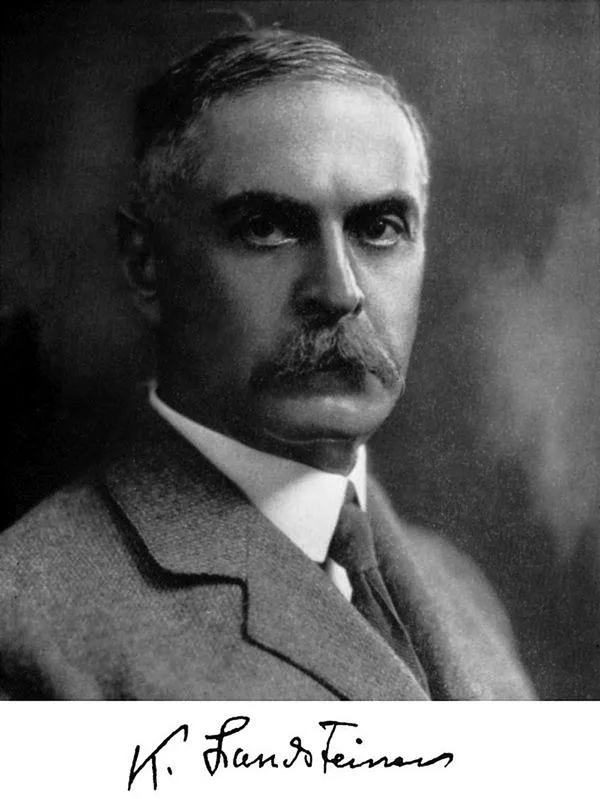
Figure 1.2 Karl Landsteiner.
Today, the field of transfusion medicine is composed of a diverse range of disciplines including the provision of a safe blood supply; the fields of haemostasis, immunology, transplantation and cellular engineering; apheresis technology; treatment using recombinant and plasma‐derived plasma proteins; and the daily use of blood components in clinical medicine (Figure 1.3). Without transfusion resources, very little of modern surgery and medicine could be accomplished.
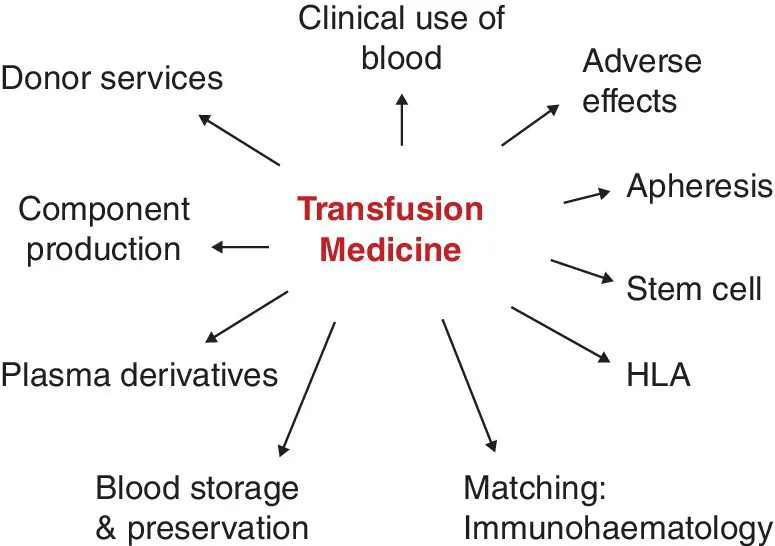
Figure 1.3 The range of transfusion medicine.
For decades, the challenge of transmitting new information in transfusion fell to Dr Patrick Mollison (Figure 1.4) whose textbook became the standard of its era. Mollison highlighted the importance of both laboratory practice (immunohaematology, haemostasis, complement biology) and clinical medicine in our field. Practical Transfusion Medicine, here in its fifth edition, seeks to build on that tradition and to give readers the foundation knowledge required to contribute both academically and clinically to our discipline. For readers about to enjoy the content of this book, the following provides a sampling of the topics presented within the text by leading experts in our field.
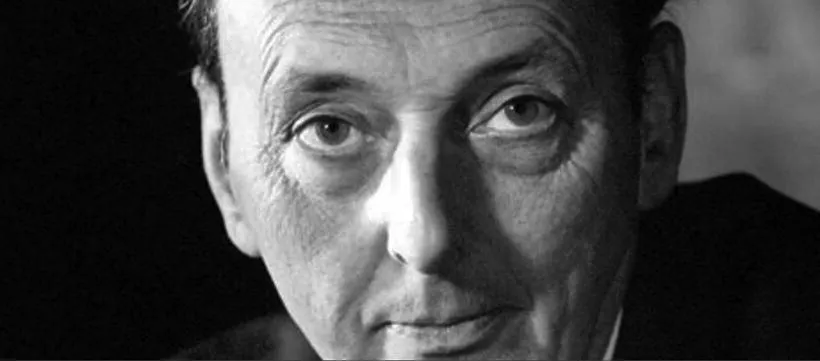
Figure 1.4 Patrick Mollison.
Source: Garratty, Transfusion 2012;52:684–85. Reproduced with permission of John Wiley & Sons.
Blood Donation Worldwide
Each year, approximately 100 million blood donations are made worldwide (Figure 1.5). A safe and adequate blood supply is now an essential infrastructure requirement of any modern national healthcare system. The recruitment and retention of healthy blood donors is a vital activity of the field and the challenges and responsibilities faced by stewards of the blood supply are presented to readers in Chapters 18–22. Whilst the economically advantaged nations of the world have established all volunteer donor programmes with great success, data from the World Health Organization presented in Chapter 24 document that blood donation rates per capita in many low‐income nations are insufficient to meet their needs. More research and investment is required so that all regions of the world can rely upon an adequate supply of safe blood.
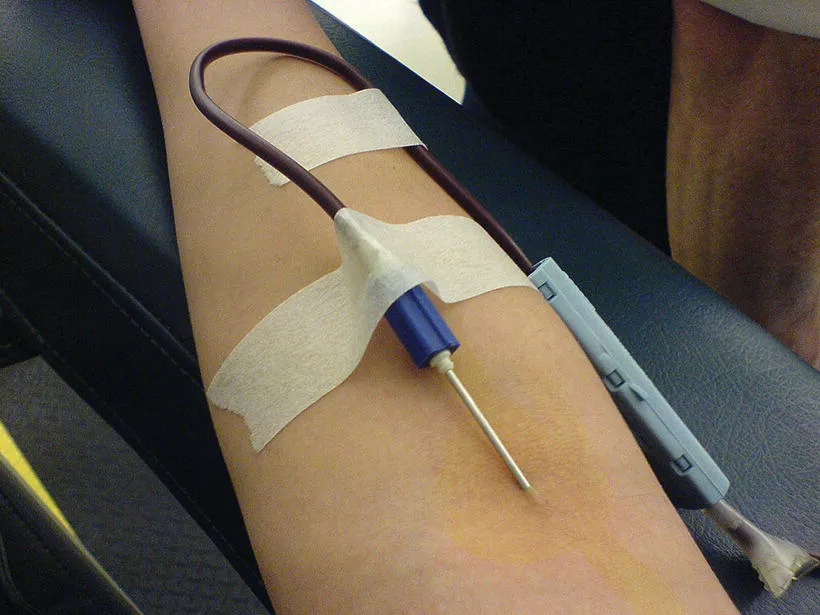
Figure 1.5 Blood donation.
Changing Landscape of Transfusion Risks
During the final two decades of the twentieth century, intense focus on screening blood donations for infectious diseases led to substantial progress in blood safety and a significant reduction in the risk of transfusion‐transmitted diseases (Figure 1.6). Chapters 15–17 present an authoritative summary of this success. We currently enjoy a grace period when the risk of transfusion‐transmitted infections is at an all‐time low. However, progressive encroachment of humans upon the animal kingdom is expected to result in the emergence of new infections that cross species barriers. Haemovigilance, robust screening technologies and chemical pathogen inactivation are all being applied to address this concern and are reviewed within the text.
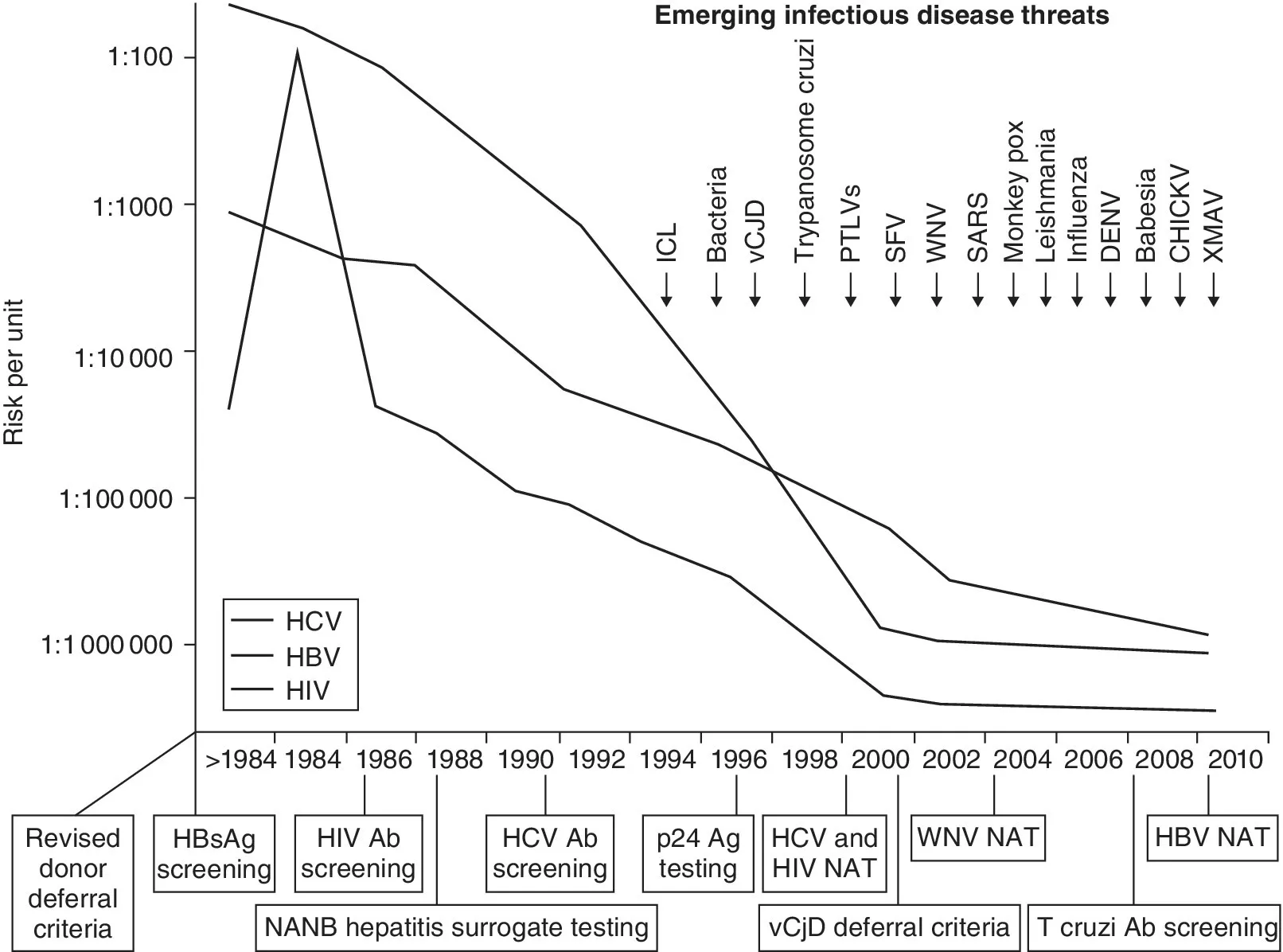
Figure 1.6 Risks of transfusion‐transmitted infections over time.
With the advent of the twenty‐first century, the landscape of transfusion risk shifted its emphasis towards non‐infectious hazards (Figure 1.7). Recent years have focused on improved understanding ...
Table of contents
- Cover
- Title Page
- Table of Contents
- List of Contributors
- Preface
- 1 Introduction
- Part I: Basic Principles of Immunohaematology
- Part II: Complications of Transfusions
- Part III: Practice in Blood Centres and Hospitals
- Part IV: Clinical Transfusion Practice
- Part V : Patient Blood Management
- Part VI: Cellular and Tissue Therapy and Organ Transplantation
- Part VII: Development of the Evidence Base for Transfusion
- Index
- End User License Agreement
Trusted by 375,005 students
Access to over 1.5 million titles for a fair monthly price.
Study more efficiently using our study tools.
Frequently asked questions
Yes, you can cancel anytime from the Subscription tab in your account settings on the Perlego website. Your subscription will stay active until the end of your current billing period. Learn how to cancel your subscription
No, books cannot be downloaded as external files, such as PDFs, for use outside of Perlego. However, you can download books within the Perlego app for offline reading on mobile or tablet. Learn how to download books offline
Perlego offers two plans: Essential and Complete
- Essential is ideal for learners and professionals who enjoy exploring a wide range of subjects. Access the Essential Library with 800,000+ trusted titles and best-sellers across business, personal growth, and the humanities. Includes unlimited reading time and Standard Read Aloud voice.
- Complete: Perfect for advanced learners and researchers needing full, unrestricted access. Unlock 1.5M+ books across hundreds of subjects, including academic and specialized titles. The Complete Plan also includes advanced features like Premium Read Aloud and Research Assistant.
We are an online textbook subscription service, where you can get access to an entire online library for less than the price of a single book per month. With over 1.5 million books across 990+ topics, we’ve got you covered! Learn about our mission
Look out for the read-aloud symbol on your next book to see if you can listen to it. The read-aloud tool reads text aloud for you, highlighting the text as it is being read. You can pause it, speed it up and slow it down. Learn more about Read Aloud
Yes! You can use the Perlego app on both iOS and Android devices to read anytime, anywhere — even offline. Perfect for commutes or when you’re on the go.
Please note we cannot support devices running on iOS 13 and Android 7 or earlier. Learn more about using the app
Please note we cannot support devices running on iOS 13 and Android 7 or earlier. Learn more about using the app
Yes, you can access Practical Transfusion Medicine by Michael F. Murphy, David J. Roberts, Mark H. Yazer, Michael F. Murphy,David J. Roberts,Mark H. Yazer in PDF and/or ePUB format, as well as other popular books in Medicine & Hematology. We have over 1.5 million books available in our catalogue for you to explore.