- 360 pages
- English
- PDF
- Available on iOS & Android
About this book
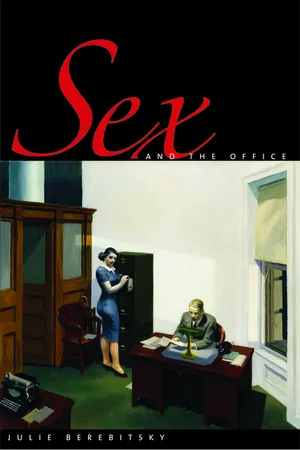
In this engaging book - the first to historicize our understanding of sexual harassment in the workplace - Julie Berebitsky explores how Americans’ attitudes toward sexuality and gender in the office have changed since the 1860s, when women first took jobs as clerks in the U.S. Treasury office.
Berebitsky recounts the actual experiences of female and male office workers; draws on archival sources ranging from the records of investigators looking for waste in government offices during World War II to the personal papers of Cosmopolitan editor Helen Gurley Brown and Ms. magazine founder Gloria Steinem; and explores how popular sources - including cartoons, advertisements, advice guides, and a wide array of fictional accounts - have represented wanted and unwelcome romantic and sexual advances. This range of evidence and the study’s long scope expose both notable transformations and startling continuities in the interplay of gender, power and desire at work.
Frequently asked questions
- Essential is ideal for learners and professionals who enjoy exploring a wide range of subjects. Access the Essential Library with 800,000+ trusted titles and best-sellers across business, personal growth, and the humanities. Includes unlimited reading time and Standard Read Aloud voice.
- Complete: Perfect for advanced learners and researchers needing full, unrestricted access. Unlock 1.4M+ books across hundreds of subjects, including academic and specialized titles. The Complete Plan also includes advanced features like Premium Read Aloud and Research Assistant.
Please note we cannot support devices running on iOS 13 and Android 7 or earlier. Learn more about using the app.
Information
Table of contents
- Contents
- Acknowledgments
- Introduction
- 1. Dangers, Desires, and Self-Determination
- 2. White-Collar Casanovas
- 3. Betwixt and Between
- 4. Gold Diggers, Innocents, and Tempted Wives
- 5. Morals and Morale
- 6. The White-Collar Revolution
- 7. Desire or Discrimination?
- 8. Two Steps Forward, One Step Back
- Conclusion
- Notes
- Index