
eBook - ePub
Food Safety and Quality Systems in Developing Countries
Volume II: Case Studies of Effective Implementation
- 332 pages
- English
- ePUB (mobile friendly)
- Available on iOS & Android
eBook - ePub
Food Safety and Quality Systems in Developing Countries
Volume II: Case Studies of Effective Implementation
About this book
Food Safety and Quality Systems in Developing Countries, Volume 2: Case Studies of Effective Implementation begins with a general overview of some of the issues and considerations that impact effective implementation of food safety and quality systems and put this in the context of some of the more noteworthy foodborne illness incidents in the recent past.This book is a rich source of information about the practical application of food science and technology to solving food safety and quality problems in the food industry. Students, researchers, professionals, regulators and market access practitioners will find this book an irreplaceable addition to their arsenal as they deal with issues regarding food safety and quality for the products with which they are working.
- Explores the keys to effective implementation of Food Safety and Quality Systems (FSQS), with a focus on selected, specific food safety and quality challenges in developing countries and how these can be mitigated
- Provides a treasure trove of information on tropical foods and their production that have applicability to similar foods and facilities around the world
- Presents case studies examining national, industry-wide or firm-level issues, and potential solutions
Information
1
Introduction: effective implementation of food safety and quality systems: prerequisites and other considerations
A. Gordon Technological Solutions Limited, Kingston, Jamaica
Abstract
The diversity and range of foods being produced in developing countries that have found and are finding their way into developed country diets and mainstream cuisine is discussed in this chapter. These range from the already well known produce, nuts, fruits and vegetables, cocoa, coffee, coconut, cashew, conch (Strombus giga), pineapple and aubergine (eggplant) to foods such as chow mein, tacos, rotis, jerk, and various curries, to trendier and more exotic foods, including satays, sriracha, and harissa. The increasing prominence of foodborne illness outbreaks, however, has made it necessary that developing country exporters and producers implement systems to become compliant with the traceability, labeling, packaging, residue levels, Good Manufacturing Practice (GMP), Good Agricultural Practice (GAP) and other prerequisite program (PRP) requirements in their food handling facilities. They also have to implement Hazard Analysis Critical Control Points (HACCP)-based food safety systems for their products seeking to enter the retail trade in developed country markets to comply with both market entry requirements, as well as the food safety and quality system (FSQS) requirements demanded by major retailers and buyers. These and other considerations are explored, with an example of the structure of a PRP presented as this chapter introduces the nature and importance of FSQS requirements to the global food trade from developing countries.
Keywords
developing countries
exotic foods
foodborne illness
food safety
GMP
prerequisite program
HACCP
Introduction
The food industry in developing countries is as diverse as its peoples. Depending on the country and the cuisine in that country, the food industry covers a wide range of sectors from seafood, fresh produce and traditional foods, fruits and vegetables, meats (processed and unprocessed), dairy products, beverages, confectionary, and grains and cereals among others. The characteristics of the food and the nature of the industry in each category of food varies by country and by region. It depends on the history, climate and microclimate, cultural and agricultural practices, the existence of a significant formal hospitality industry, the existence and level of development of a formal food service sector [including domestically grown or transnational quick serve restaurants (QSRs)], and the range and nature of the exports markets with which trading relationships have been established. These, collectively determine the range, breadth, and sophistication of the food industry in each region of the developing world and each country. For countries which share a border, the differences in the industry across a distance of only a few miles, indeed a few meters, can be quite sharp. Examples of this in different regions include The United States of America and Mexico in the Americas, India and China in Asia, Haiti and the Dominican Republic in the Caribbean, Botswana and South Africa in Africa, and Suriname and Brazil in South America.
Typically, the foods consumed in developing countries include a wide and delicious range of produce, meat, poultry and seafood products, grains, fruits and vegetables, many of incomparable taste and flavor and many of which may be unknown in, or unfamiliar to, developed country markets. These include products such as fungi (pronounced funji, made with cornmeal) from the Eastern Caribbean, cassreep from Guyana, dukunoo (pronounced dokoonou) which originated in West Africa and is found throughout the Caribbean, tamales, empanada and yuca which are very popular in Central America. They also include satay (meat on a stick roasted over an open fire or charcoal) which is a staple throughout Southeast Asia and which is now gaining acceptance in some metropolitan markets, particularly some European markets (Fig. 1.1) and, from Africa, gari and fufu (Western Africa) and fried plantains (popular in the continent, in general). From these cultures have also come a range of new meal options and products which are sought after in developed country cuisines (International Food Information Council (IFIC) Foundation, 2013) including curries from Asia, jerk from Jamaica in the Caribbean (Fig. 1.2), tacos and burritos from Mexico in Central America, falafel from Lebanon in the Middle East, and chow mien from China. These are buttressed by equally delicious processed foods, the variety of which vary depending on cultural nuances and the sophistication of the food industry in the country (Fig. 1.3). Developing countries are also major producers of well-known and loved foods, widely consumed in developed countries, such as cocoa and cashew nuts (Ivory Coast), coffee (Brazil and Columbia), conch—Strombus giga (Jamaica), pineapples (Philippines and Costa Rica) and kiwi fruit from Chile.
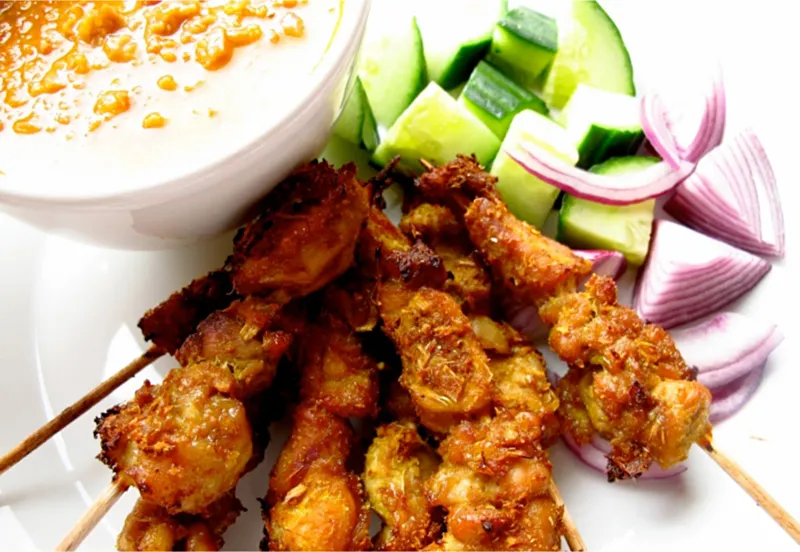
Figure 1.1 Indonesian satay. Source: www.indostyles.com.
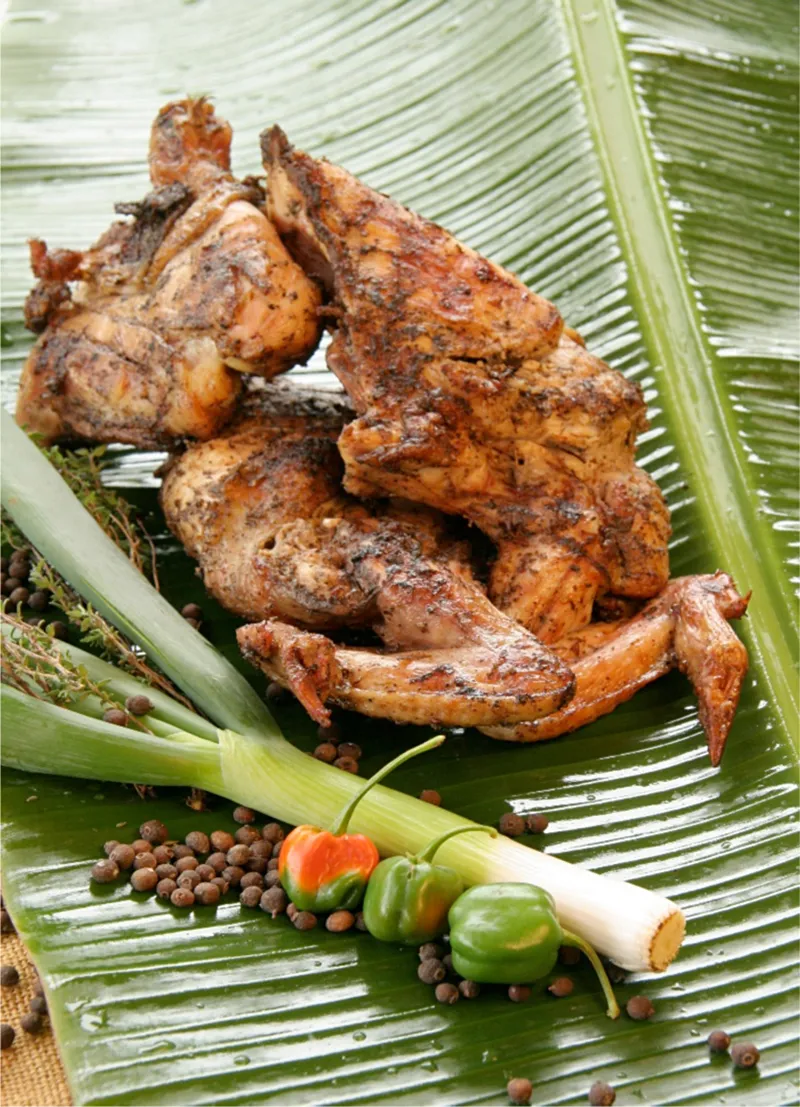
Figure 1.2 Jamaican jerk chicken. Source: Walkerswood Caribbean Foods.
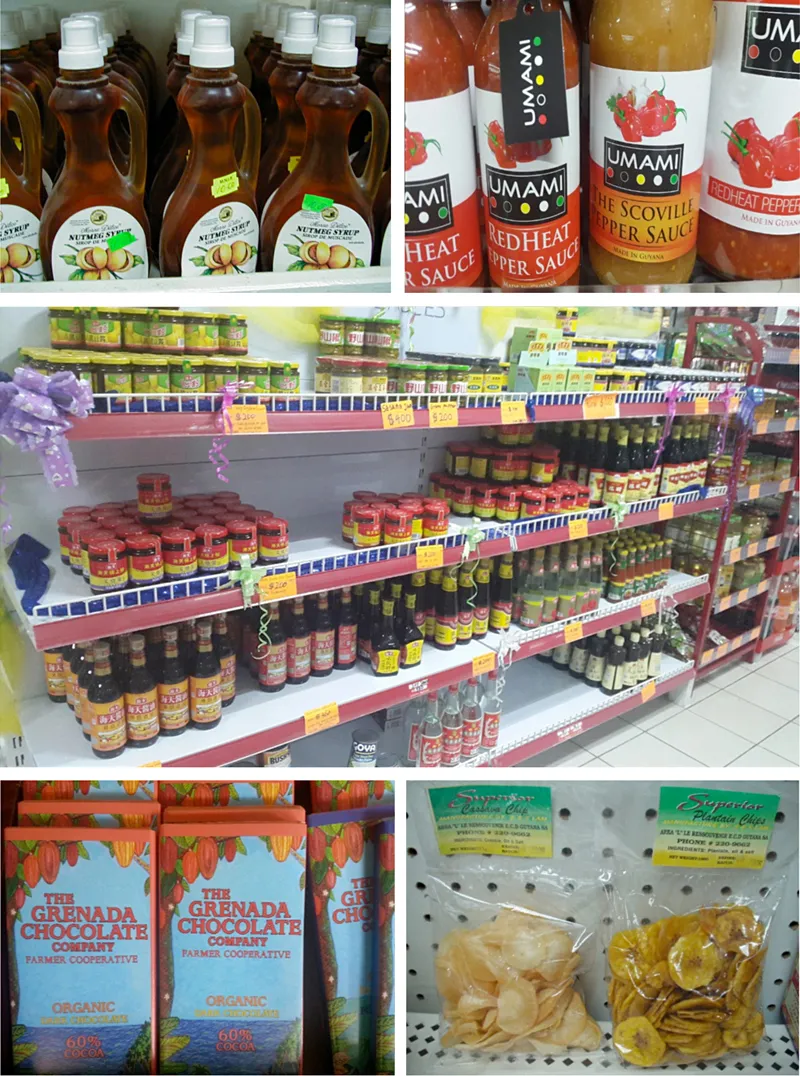
Figure 1.3 Developing country foods with different levels of sophistication. Source: A. Gordon, 2015.
Many developing countries produce a variety of foods which include fruits, vegetables, meat, seafood and dairy products, as well as processed foods and beverages (Fig. 1.4) of a wide range of types, packaging, and formats. These are served through delivery channels as diverse as you will find in the more developed countries in Australasia, Southern Africa, the Middle East, Europe, and North America. Many of these are produced by staff trained and equipped to make high quality products. They are produced in facilities ranging from very basic to state-of-the-art (Fig. 1.5). The role and importance of food safety and quality systems (FSQS) in the food industry of developing countries and emerging economies, therefore, will depend on the level of sophistication and focus of their domestic industry and, specifically, the subsector of the industry from which the product comes.
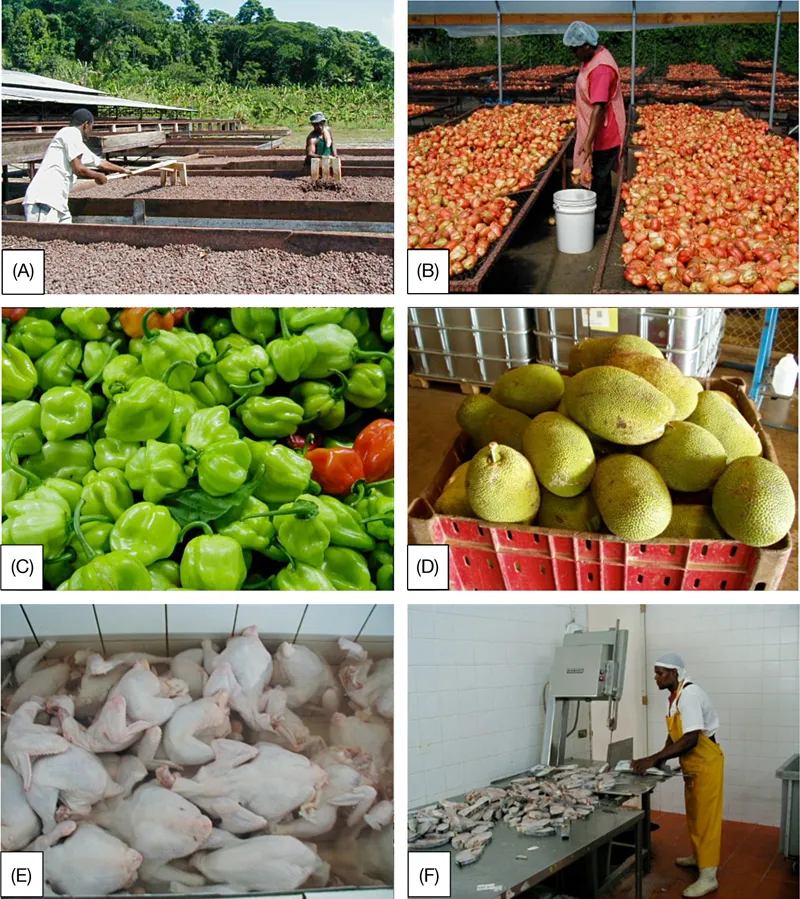
Figure 1.4 Examples of the some foods produced in developing countries. Source: A. Gordon, 2015.
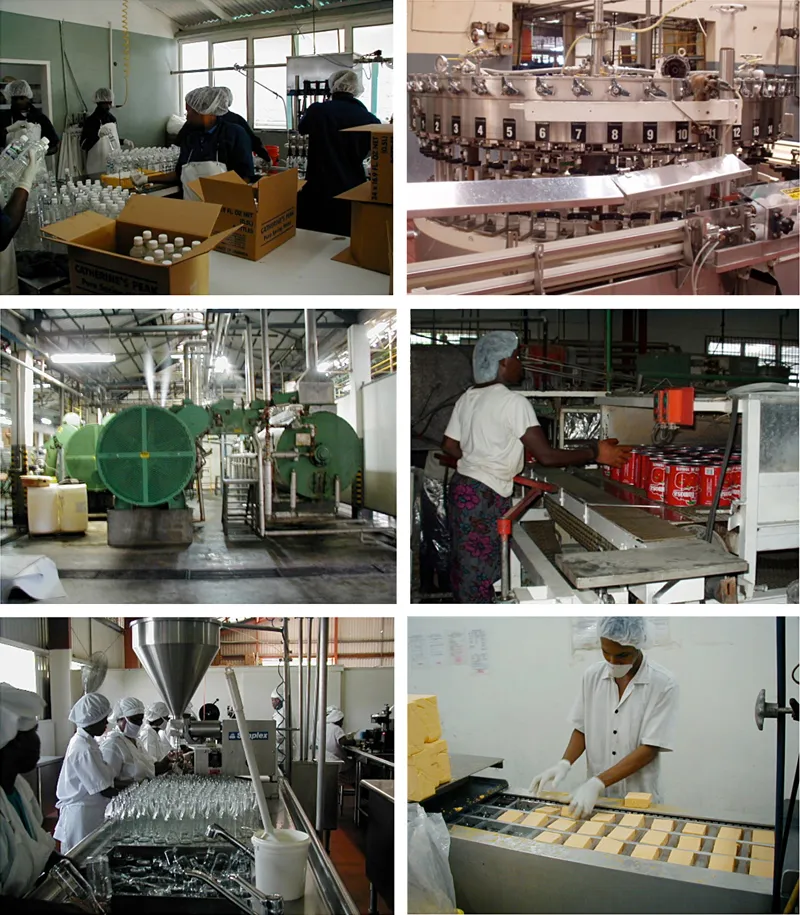
Figure 1.5 Examples of different kinds of food processing systems in developing countries. Source: A. Gordon, 2015.
Many traditional products are already being exported to markets globally. Traditional ethnic cuisines are now increasingly an inseparable part of mainstream diets throughout the world. Chinese cuisine, Indian curries, Thai food, and traditional Asian cuisine are now not only available in specialty restaurants, but are a standard part of meal choices in Europe and North America. Many of these are available as authentic meal options in convenient formats in the major multiplesa such as Whole Foods (Fig. 1.6A) and Walmart in the USA, Sainsbury and Tesco (United Kingdom), Loblaws (Canada), and Albert Heijn in the Netherlands (Fig. 1.6B). In addition to these prepared meals, many of the other foods and beverages consumed in the South have been adopted by the more developed country markets. These traditional developing country foods now included in g...
Table of contents
- Cover
- Title page
- Table of Contents
- Copyright
- Dedication
- Contributors
- Preface
- Acknowledgments
- 1: Introduction: effective implementation of food safety and quality systems: prerequisites and other considerations
- 2: Food safety–based strategies for addressing trade and market access issues
- 3: Case study: Improving the quality and viability of a traditional beverage—Irish Moss
- 4: Case study: food safety and quality systems implementation in small beverage operations—Mountain Top Springs Limited
- 5: Case study: formula safe foods—sauces
- 6: Case study: formula safe foods—canned pasteurized processed cheese
- 7: Case study: application of appropriate technologies to improve the quality and safety of coconut water
- 8: Case study: FSQS in solving market access prohibition for a vegetable product—callaloo (Amaranthus sp.)
- 9: Case study: addressing the problem of Alicyclobacillus in tropical beverages
- 10: Conclusions and lessons learned: steps for successful Food Safety and Quality System (FSQS) systems implementation
- References
- Index
Trusted by 375,005 students
Access to over 1.5 million titles for a fair monthly price.
Study more efficiently using our study tools.
Frequently asked questions
Yes, you can cancel anytime from the Subscription tab in your account settings on the Perlego website. Your subscription will stay active until the end of your current billing period. Learn how to cancel your subscription
No, books cannot be downloaded as external files, such as PDFs, for use outside of Perlego. However, you can download books within the Perlego app for offline reading on mobile or tablet. Learn how to download books offline
Perlego offers two plans: Essential and Complete
- Essential is ideal for learners and professionals who enjoy exploring a wide range of subjects. Access the Essential Library with 800,000+ trusted titles and best-sellers across business, personal growth, and the humanities. Includes unlimited reading time and Standard Read Aloud voice.
- Complete: Perfect for advanced learners and researchers needing full, unrestricted access. Unlock 1.5M+ books across hundreds of subjects, including academic and specialized titles. The Complete Plan also includes advanced features like Premium Read Aloud and Research Assistant.
We are an online textbook subscription service, where you can get access to an entire online library for less than the price of a single book per month. With over 1.5 million books across 990+ topics, we’ve got you covered! Learn about our mission
Look out for the read-aloud symbol on your next book to see if you can listen to it. The read-aloud tool reads text aloud for you, highlighting the text as it is being read. You can pause it, speed it up and slow it down. Learn more about Read Aloud
Yes! You can use the Perlego app on both iOS and Android devices to read anytime, anywhere — even offline. Perfect for commutes or when you’re on the go.
Please note we cannot support devices running on iOS 13 and Android 7 or earlier. Learn more about using the app
Please note we cannot support devices running on iOS 13 and Android 7 or earlier. Learn more about using the app
Yes, you can access Food Safety and Quality Systems in Developing Countries by André Gordon in PDF and/or ePUB format, as well as other popular books in Technology & Engineering & Administrative Law. We have over 1.5 million books available in our catalogue for you to explore.