- NEW! Updated design features more high-quality, full-color illustrations and a revised reader-friendly layout with learning objectives and key points to make content easier to follow.

- 416 pages
- English
- ePUB (mobile friendly)
- Available on iOS & Android
eBook - ePub
About this book
Information
Topic
MédecineSubtopic
Médecine vétérinairePart One
Principles of Laboratory Animal Medicine
1
Introduction to Exotic and Laboratory Animal Medicine
Learning Objectives
After studying this chapter, you will be able to:
• Describe what is meant by the term exotic animal.
• Describe what is meant by the term laboratory animal.
• Discuss factors that may predispose an animal to disease.
• Differentiate between intrinsic and extrinsic factors that may predispose an animal to disease.
• List and describe the laws that govern scientific research.
• List the membership and functions of the institutional animal care and use committee.
• Describe the principle of the “three R’s” of scientific research.
• Describe legal aspects of exotic animal ownership.
• Discuss laws related to legal aspects of wildlife care.
Key Terms
CITES
Dietary factors
Exotic pet
Extralabel use
Extrinsic factors
Intrinsic factors
Institutional animal care and use committee
Laboratory animal
Reduction
Refinement
Replacement
Zoonotic disease
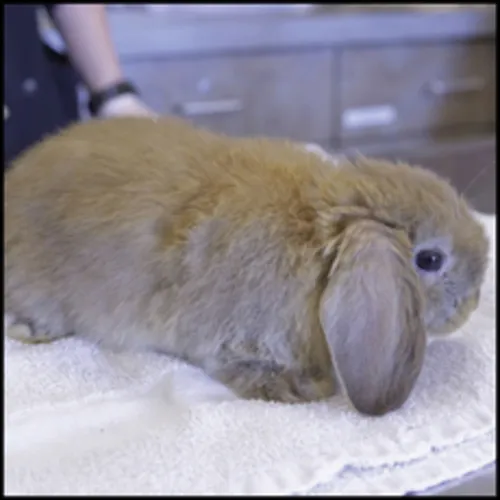
Exotic and laboratory animal medicine encompasses the knowledge and skill required to provide care for exotic pets and laboratory animals. The term exotic pet generally refers to any companion animal other than dogs and cats and includes birds, reptiles, amphibians, and a number of small mammals. In the strictest legal terms, an exotic animal is any one that is not native to the area where it is found or housed. Small mammals, sometimes referred to as pocket pets, include rats, mice, hamsters, gerbils, sugar gliders, rabbits, and guinea pigs. The term laboratory animal is used to denote any animal used in research or teaching (Figure 1-1). Animals used in scientific research may also be encountered as production animals in farms and ranches. In many cases; the research being performed is not directly related to the species on which the research is being conducted. The most commonly used laboratory animals are mice and rats. Other animals that may be used in research and teaching include hamsters, guinea pigs, dogs, cats, rabbits, gerbils, and fish. However, nearly any animal or plant may be used in scientific research.
Veterinary practices that treat only exotic pets are fairly common. Some may restrict their practice to just one species, such as avian-only practices. Veterinary practices that treat companion animals including exotic pets are also widespread. A recent survey conducted by the American Veterinary Medical Association indicated that more than 16 million U.S. households have at least one specialty or exotic pet and many had more than one. Survey data is summarized in Table 1-1. Both veterinarians and veterinary technicians receive basic education on handling and care of exotic animal species. However, the in-depth knowledge and skill needed to care for and treat the diverse species likely to be encountered requires additional and continual education.
The entire veterinary health care team has a responsibility to ensure the health and well-being of both pet and research animals. There are numerous legal and ethical issues regarding the care of exotic and laboratory animals. In addition to the many diverse laws involved, there are concerns related to the medications used. Nearly all medications used in exotic and laboratory animal medicine are extralabel use. This means that the drugs are used in a manner other than what is specified on the approved label directions. The U.S. Food and Drug Administration publishes specific guidelines under which extralabel use can be legal. Beyond the legal concerns, administration of these drugs can also be problematic. Most medications are not available in a concentration that allows for the appropriate dose to be measured by conventional means. For example, if 0.5 mL of a medication would be administered to a 20-kg dog, a 400-g chinchilla may need just 0.005 mL. It is not possible to accurately measure this volume in a standard syringe, so the medication would have to be diluted before use.
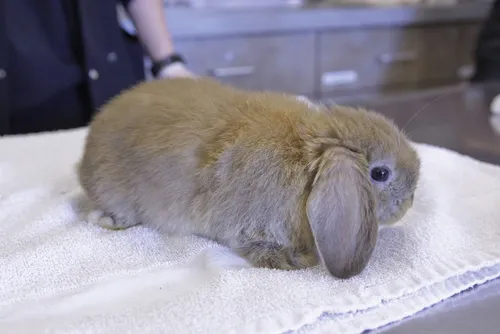
FIGURE 1-1 Rabbits are used in biomedical research and are also commonly encountered in exotic companion animal practice.
TABLE 1-1
Specialty and Exotic Animals
| Households (in 1000s) | Population (in 1000s) | |
| Fish | 7738 | 57,750 |
| Ferrets | 334 | 748 |
| Rabbits | 1408 | 3210 |
| Hamsters | 877 | 1146 |
| Guinea pigs | 847 | 1362 |
| Gerbils | 234 | 468 |
| Other rodents | 391 | 868 |
| Turtles | 1320 | 2297 |
| Snakes | 555 | 1150 |
| Lizards | 726 | 1119 |
| Other reptiles | 365 | 732 |
| Poultry | 1020 | 12,591 |
| Livestock | 661 | 5045 |
| All others | 246 | 898 |
From American Veterinary Medical Association, U.S. Pet Ownership & Demographics Sourcebook (2012), Schaumburg, IL.

Many medications used on exotic and laboratory animals must be diluted before use.
Disease Prevention
Much of the responsibility of a veterinary technician or laboratory animal technician is aimed at preventing disease in the animals for which they provide care. Controlling factors that predispose animals to certain diseases is a primary concern of all members of the veterinary health care team. These predisposing factors can also be considered “stress factors” and may fall into one of several general areas: intrinsic, extrinsic, dietary, and experimental factors (Table 1-2). Intrinsic...
Table of contents
- Cover image
- Title page
- Table of Contents
- Copyright
- Dedication
- Preface
- Acknowledgments
- Part One. Principles of Laboratory Animal Medicine
- Part Two. Laboratory Animals
- Glossary
- Index
- Answer Key
Trusted by 375,005 students
Access to over 1.5 million titles for a fair monthly price.
Study more efficiently using our study tools.
Frequently asked questions
Yes, you can cancel anytime from the Subscription tab in your account settings on the Perlego website. Your subscription will stay active until the end of your current billing period. Learn how to cancel your subscription
No, books cannot be downloaded as external files, such as PDFs, for use outside of Perlego. However, you can download books within the Perlego app for offline reading on mobile or tablet. Learn how to download books offline
Perlego offers two plans: Essential and Complete
- Essential is ideal for learners and professionals who enjoy exploring a wide range of subjects. Access the Essential Library with 800,000+ trusted titles and best-sellers across business, personal growth, and the humanities. Includes unlimited reading time and Standard Read Aloud voice.
- Complete: Perfect for advanced learners and researchers needing full, unrestricted access. Unlock 1.5M+ books across hundreds of subjects, including academic and specialized titles. The Complete Plan also includes advanced features like Premium Read Aloud and Research Assistant.
We are an online textbook subscription service, where you can get access to an entire online library for less than the price of a single book per month. With over 1.5 million books across 990+ topics, we’ve got you covered! Learn about our mission
Look out for the read-aloud symbol on your next book to see if you can listen to it. The read-aloud tool reads text aloud for you, highlighting the text as it is being read. You can pause it, speed it up and slow it down. Learn more about Read Aloud
Yes! You can use the Perlego app on both iOS and Android devices to read anytime, anywhere — even offline. Perfect for commutes or when you’re on the go.
Please note we cannot support devices running on iOS 13 and Android 7 or earlier. Learn more about using the app
Please note we cannot support devices running on iOS 13 and Android 7 or earlier. Learn more about using the app
Yes, you can access Laboratory Animal and Exotic Pet Medicine by Margi Sirois in PDF and/or ePUB format, as well as other popular books in Médecine & Médecine vétérinaire. We have over 1.5 million books available in our catalogue for you to explore.