A guide to the extraction, isolation and purification of bioactive compounds from agricultural wastes, and their applications
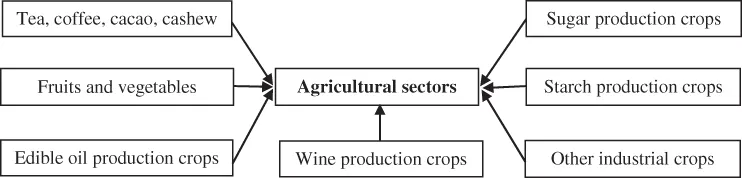
Recovering Bioactive Compounds from Agricultural Wastes offers a guide to the many uses of agricultural wastes from the production of major food types including tea, coffee, cacao, cashew, fruit and vegetables, wine, edible oils, sugar, starch and more. Written by a noted expert in the field, the text explores the various methods for extraction, isolation and purification of bioactive compounds from agricultural wastes. The author also makes recommendations concerning the most effective applications of bioactive compounds and discusses the economics and market for recovered bioactive compounds.
Recent studies reveal that bioactive compounds have been directly linked to biological activity such as antioxidant, anticancer, antidiabetic, anti-cardiovascular capacities, etc. In particular, agricultural wastes are considered as potential and inexpensive sources of bioactive compounds. Recovering Bioactive Compounds from Agricultural Wastes fills a gap in the literature by providing a text that explores this important topic and examines the:
- Sustainability of waste management and shows how to extract, isolate and purify bioactive compounds from agricultural wastes, and their most effective application
- Wide range of agricultural food produce that can be processed and the special techniques used for recovering the bioactive compounds from these sources
- Health applications of bioactive compounds that have been directly linked to pharmacological activities including antioxidant, anticancer, and more
Designed for use by researchers and producers in the agriculture, pharmaceuticals and nutraceuticals, Recovering Bioactive Compounds from Agricultural Wastes contains the knowledge, history and definition, classification and synthesis, and extraction techniques of bioactive compounds.