Biological Sciences

HIV
HIV, or human immunodeficiency virus, is a virus that attacks the immune system, specifically targeting CD4 cells, which are crucial for the body's defense against infections. If left untreated, HIV can lead to acquired immunodeficiency syndrome (AIDS), a condition in which the immune system is severely compromised, making the individual susceptible to opportunistic infections and certain cancers.
Written by Perlego with AI-assistance
Related key terms
1 of 5
12 Key excerpts on "HIV"
 eBook - ePub
- Patricia G. Melloy(Author)
- 2022(Publication Date)
- CRC Press(Publisher)
manageable chronic condition, one that never progresses to acquired immunodeficiency syndrome (AIDS) if antiretroviral therapy (ART) is taken, albeit for life (WHO 2021b). In this chapter, we will look at the characteristics of the HIV retrovirus, how it is transmitted, how it can damage the immune system to cause AIDS, and how it can be treated. Of the 37 million people in the world living with HIV, 73% are keeping HIV at bay with ART (WHO 2021b). We will explore how HIV was discovered as the cause of AIDS and the scientific progress made on treating and finding a cure for HIV infection. Like no other virus, HIV has been referenced in the products of popular culture in the late 20th and early 21st centuries such as books, television, and movies. We will explore the public perception of HIV and AIDS, and how that changed over time when an HIV-positive status no longer became a death sentence.5.1 Describe the Details of the Human Immunodeficiency Virus Compared to Other Viruses
The human immunodeficiency virus first manifested itself in humans in the form of acquired immunodeficiency syndrome. The acquired part of the name indicates that the disease is not congenital, meaning not genetically inherited at birth. Immunodeficiency indicates that the major hallmark of the disease is a loss of function of the immune system, and finally syndrome is used to indicate a collection of symptoms that result from the immunodeficiency. HIV actually attacks a specific kind of cell in the immune system, known as T-helper or CD4 cells (Minkoff and Baker 2004 ; Zimmer 2011; Walker 2008a ). In addition to the T-helper cells, macrophages and dendritic cells can also be affected (Cruse and Lewis 2009 ).As mentioned in Chapter 2 , T cells are a part of the acquired or adaptive immune response, participating in cell-mediated immunity (Coico and Sunshine 2015 ). All animals in general have some type of innate immunity, but vertebrates, beginning with the jawless fishes, evolved the capability of an acquired immune response (Buchmann 2014 ). In this branch of the immune system, antigen-presenting cells, including macrophages and dendritic cells, can take antigens and break them into pieces, and then display them outwardly for T-helper (CD4+) cells to respond. The T-helper cell uses the CD4 molecule as a receptor to interact with the presented antigen fragment and then mobilize the cytotoxic T (CD8) cells to kill the infected host cell in several ways (Biointeractive 2021
- Jacobus Donders, Scott J. Hunter(Authors)
- 2018(Publication Date)
- Cambridge University Press(Publisher)
Chapter 11 Human Immunodeficiency Virus Steven Paul Woods, Kelli L. Sullivan, Sharon Nichols, and Scott J. Hunter Introduction Over the past 35 years, there have been significant challenges posed across multiple domains of medical and clinical science regarding the impact of infection with the human immunodeficiency virus (HIV) and the subsequent development of acquired immune deficiency syndrome (AIDS). The epidemic of HIV/ AIDS has affected individuals across the lifespan and is worldwide in its scope. It is known as a disease that targets individuals when they are young adults, with infection most commonly seen in men and women during their late teens to their late 20s, and disease intervention becomes lifelong. But HIV has a wide age range of vulnerability, beginning in infancy with maternal transmission perinatally, and postbirth, in exposure through breast milk or blood transfusions; continuing through adolescence and adulthood, typi- cally secondary to behavioral transmission; and with aging populations who are infected living longer, as well as older adults who are having unprotected sexual activity with partners who are HIV-positive (HIV+), extending into senescence. Medical science has been remarkable in its ability to move from identification of the virus that led to the appearance of a series of confounding illnesses in gay men in the early 1980s, to the development of antire- troviral (ARV) treatments that have allowed infected individuals to fight back against the range of secondary illnesses that define AIDS. Nevertheless, HIV serocon- version and AIDS continue as a serious epidemic across the globe. Western countries, including North America, Europe, and Australia, have seen greater levels of control over both infection rates and the development of illness across time. eBook - PDF
Scientific Basis of Healthcare
AIDS & Pregnancy
- Colin R. Martin, Victor R. Preedy, Colin R. Martin, Victor R. Preedy(Authors)
- 2011(Publication Date)
- CRC Press(Publisher)
2 Scientific Basis of Healthcare: AIDS & Pregnancy Keywords: Human immunodeficiency virus, acquired immune deficiency syndrome, cell-mediated immunity, panacea INTRODUCTION The Human immunodeficiency virus (HIV) infection for almost the past three decades, has continued to be one of the greatest intriguing health challenges of the century. From its discovery in 1981 to 2006, HIV/AIDS has claimed the lives of more than 25 million people of the global population. Even though not fully proven, HIV is thought to have originated in non-human primates in sub-Saharan Africa and was transmitted to humans late in the 19th or early in the 20th century (Worobey et al. 2008). The condition was first clinically observed between late 1980 and early 1981. Various studies have confirmed that injection drug users and ‘gay’ men with no known cause of impaired immunity showed symptoms of Pneumocystis carinii pneumonia (PCP), a rare opportunistic infection that was known to present itself in people with severe compromised immune systems (Masur et al. 1981). The World Health Organisation (WHO) has described the disease as pandemic. Presently, HIV infects about 0.6% of the world’s population and in the year 2005 alone, it claimed an estimated 2.4–3.3 million lives, of which almost 600,000 were children. Paradoxically, its incidence and associated high mortality occur in Sub-Saharan Africa. This has greatly affected life expectancy and retarded economic productivity in the developing world (Greener 2002). Health projections estimates tha, HIV is likely to infect 90 million people in Africa which could result in about 18 million orphans across the entire world (Fig. 1). AETIOLOGY AND PATHOGENESIS OF HIV The virus that causes HIV infection and ultimately AIDS (acquired immunodeficiency syndrome ) is a lentivirus , a member of the retrovirus family (Douek et al. 2002). HIV is different in structure from other retroviruses. It is roughly spherical with a diameter of about 120 nm. eBook - PDF
Vaccines
New Approaches to Immunological Problems
- Ronald W. Ellis(Author)
- 2014(Publication Date)
- Butterworth-Heinemann(Publisher)
CHAPTER 13 Human Immunodeficiency Virus Emilio A. Emini Scott D. Putney As of January 1990, over 115,000 cases of the acquired immunodeficiency syndrome (AIDS) were recorded in the USA and more than 50% of those afflicted with the disease have died. About 50,000 cases of AIDS are pro-jected to be reported in 1990 (Berkelman and Curran 1989; Centers for Disease Control 1990a, 1990b). The syndrome is characterized by a severe immunodeficiency, manifested by the acquisition of opportunistic infections and the development of rare neoplasias. The syndrome also exhibits signs of central nervous system impairment and, in certain cases, dementia. The disease inevitably results in the death of the patient, usually within several years after its initial clinical appearance. 13.1 AIDS EPIDEMIOLOGY AIDS is the end-stage clinical result of immune system abnormalities that occur as a consequence of infection with the human immunodeficiency virus type 1 (HIV-1). The virus, a member of the Lentivirinae subfamily of the retroviruses, is transmitted by blood and through intimate sexual contact. Upon entering the host, the virus predominantly infects cells that bear the differentiation antigen CD4 on their surface (Dalgleish et al. 1984; Klatz-309 310 Human Immunodeficiency Virus mann et al. 1984). This molecule serves as the viral receptor permitting the attachment of the virus to the cell. The most important CD4-bearing cells are helper T-lymphocytes, as well as monocytes and macrophages. Both cell types are essential to the appropriate function of the immune system. In-fection with the virus is characterized by a short, acute viremic phase fol-lowed by a long period of latency and persistent infection that may last a number of years. The persistent phase usually exhibits a progressive decline of CD4-positive, helper T-lymphocytes, culminating in the eventual loss of immune system function and clinical AIDS. Several epidemiological patterns of HIV-1 infection have been noted. eBook - PDF
Evolutionary Dynamics
Exploring the Equations of Life
- Martin A. Nowak, Martin A. Nowak(Authors)
- 2006(Publication Date)
- Belknap Press(Publisher)
1 0 HIV INFECTION THE EMERGENCE of the human immunodeficiency virus (HIV) in the early 1980s demonstrated that infectious diseases represent a major problem for hu-man health all over the world and that newly arising infectious agents can be especially devastating. As the human species becomes more abundant on the globe, having crossed the six billion threshold in 1999, the opportunity increases dramatically for infectious agents of other species to invade the hu-man host. Despite tremendous progress in molecular biology and medicine, our methods to combat infectious diseases are limited. There are successful vaccines against a number of agents, but all attempts have so far failed to con-struct an HIV vaccine. The reasons for this failure are not clear, but include the virus’s ability to infect cells of the immune system and to mutate away from any opposing selective forces. HIV belongs to the class of retroviruses, which reversely transcribe their RNA genome into DNA (Figure 10.1). Howard Temin and David Baltimore won a Nobel Prize in Medicine for the discovery of the reverse transcriptase enzyme. The viral DNA can be integrated into the genome of the host cell and can remain there for an effectively unlimited time. Anywhere between 2% and 8% of the human genome consists of “burnt-out” retroviruses that 167 Figure 10.1 The life cycle of the human immunodeficiency virus (HIV). The virion contains two copies of the viral genome in form of single-stranded RNA. After entry into the host cell, the reverse transcriptase that comes with the virion uses both copies of the RNA genome to produce an RNA-DNA hetero-duplex and subsequently double-stranded viral DNA. This viral DNA (the provirus) is integrated into the genome of the host cell. The provirus can remain silent for a long time or can immediately induce the host cell to produce messenger RNA (mRNA).
- Dongyou Liu(Author)
- 2014(Publication Date)
- CRC Press(Publisher)
107 10 10.1 INTRODUCTION Acquired immunodeficiency syndrome (AIDS) is a disease of the human immune system caused by the human immu-nodeficiency virus (HIV), 1 which destroys CD4+ T lympho-cytes of the immune system that prevent infections. HIV is transmitted in humans through specific body fluids—blood, semen, genital fluids, and breast milk. Having unprotected sex and sharing drug needles with an HIV-infected individual are the most common ways by which the virus is transmitted. Some body fluids, including saliva, sweat, or tears, have not been shown to transmit HIV. 2,3 AIDS has had a major impact on society, both as an illness and as a source of discrimina-tion. The disease has also had significant economic impact. AIDS is one of the most serious global health problems of unprecedented dimensions and is one of the greatest mod-ern pandemics. At the end of 2010, an estimated 34 million people were living with HIV globally, including 3.4 million children under 15 years of age. There were 2.7 million new HIV infections in 2010, including 390,000 among children less than 15 years. 4 Since the recognition of AIDS in 1981 and the discovery of HIV as the causative agent in 1983, 60 million people have become infected with HIV, 25 million of whom have since died. 5–8 More people than ever are living with HIV today, largely due to greater access to treatment. The number of people becoming infected with HIV is continuing to decline in some countries more rapidly than others. Human Immunodeficiency Virus Mohan Kumar Haleyur Giri Setty and Indira K. Hewlett CONTENTS 10.1 Introduction ..................................................................................................................................................................... 107 10.2 Classification and Morphology ........................................................................................................................................ eBook - PDF
- Angela Williams(Author)
- 2018(Publication Date)
- Omnigraphics(Publisher)
Minority groups in the United States have been disproportionately affected by the epidemic. Worldwide, an estimated 36.1 million people (47 percent of whom are female) were living with HIV/AIDS as of December 2000, accord -ing to the Joint United Nations Programme on HIV/AIDS (UNAIDS). Through 2000, cumulative HIV/AIDS-associated deaths worldwide numbered approximately 21.8 million: 17.5 million adults and 4.3 million children younger than 15 years. Globally, approximately 5.3 million new HIV infections and 3.0 million HIV/AIDS-related deaths occurred in the year 2000 alone. HIV is a Retrovirus HIV belongs to a class of viruses called retroviruses. Retroviruses are ribonucleic acid (RNA) viruses, and in order to replicate, they must 29 How HIV Causes AIDS make a deoxyribonucleic acid (DNA) copy of their RNA. It is the DNA genes that allow the virus to replicate. Like all viruses, HIV can replicate only inside cells, commandeering the cell’s machinery to reproduce. However, only HIV and other retro -viruses, once inside a cell, use an enzyme called reverse transcriptase to convert their RNA into DNA, which can be incorporated into the host cell s genes. Slow Viruses HIV belongs to a subgroup of retroviruses known as lentiviruses or “slow” viruses. The course of infection with these viruses is char -acterized by a long interval between initial infection and the onset of serious symptoms. Other lentiviruses infect nonhuman species. For example, the feline immunodeficiency virus (FIV) infects cats and the simian immunodefi -ciency virus (SIV) infects monkeys and other nonhuman primates. Like HIV in humans, these animal viruses primarily infect immune system cells, often causing immunodeficiency and AIDS-like symptoms. These viruses and their hosts have provided researchers with useful, albeit imperfect, models of the HIV disease process in people. Structure of HIV The viral envelope� HIV has a diameter of 1/10,000 of a millimeter and is spherical in shape.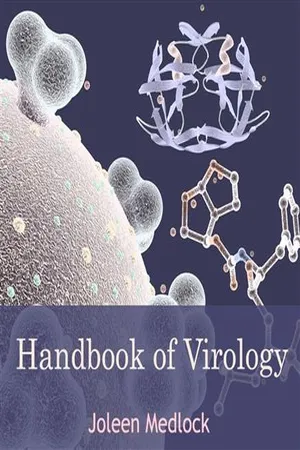 No longer available |Learn more
- (Author)
- 2014(Publication Date)
- Research World(Publisher)
________________________ WORLD TECHNOLOGIES ________________________ Chapter- 6 HIV HIV Diagram of HIV ICD-10 B20-B24 ICD-9 042-044 OMIM 609423 MedlinePlus 000602 eMedicine article/783434 MeSH D006678 Human immunodeficiency virus ( HIV ) is a lentivirus (a member of the retrovirus family) that causes acquired immunodeficiency syndrome (AIDS), a condition in humans in which the immune system begins to fail, leading to life-threatening opportunistic infections. Infection with HIV occurs by the transfer of blood, semen, vaginal fluid, pre-ejaculate, or breast milk. Within these bodily fluids, HIV is present as both free virus particles and virus within infected immune cells. The four major routes of transmission are unsafe sex, contaminated needles, breast milk, and transmission from an infected ________________________ WORLD TECHNOLOGIES ________________________ mother to her baby at birth (perinatal transmission). Screening of blood products for HIV has largely eliminated transmission through blood transfusions or infected blood products in the developed world. HIV infection in humans is considered pandemic by the World Health Organization (WHO). Nevertheless, complacency about HIV may play a key role in HIV risk. From its discovery in 1981 to 2006, AIDS killed more than 25 million people. HIV infects about 0.6% of the world's population. In 2005, AIDS claimed an estimated 2.4–3.3 million lives, of which more than 570,000 were children. A third of these deaths occurred in Sub-Saharan Africa, retarding economic growth and increasing poverty. At that time, it was estimated that HIV would infect 90 million people in Africa, resulting in a minimum estimate of 18 million orphans. Antiretroviral treatment reduces both the mortality and the morbidity of HIV infection, but routine access to antiretroviral medication is not available in all countries. eBook - PDF
Virology
Principles and Applications
- John Carter, Venetia Saunders(Authors)
- 2014(Publication Date)
- Wiley(Publisher)
207 Human Immunodeficiency Viruses CHAPTER 18 C H A P T E R 1 8 A T A G L A N C E • Enveloped • Genome: single-stranded RNA plus polarity 9.3 kb • Baltimore Class VI Two major types: HIV-1 and HIV-2 Complex retroviruses Causative agents of acquired immune deficiency syndrome (AIDS) HIV-1Auxiliary Proteins Functions include: Tat Rev Nef Vif Vpr Vpu HIV-1 glycoproteins: gp120 gp41 transcription factor late gene expression protection from immune surveillance protection from APOBEC proteins targeting pre-integration complex to nucleus virion budding 208 CHAPTER 18 HUMAN IMMUNODEFICIENCY VIRUSES 18.2 HIV VIRION The virion has the general characteristics of retro- viruses described in the previous chapter but, in contrast to most retroviruses, the capsid is cone- shaped (Figure 18.1), with a diameter of 40–60 nm at the wide end and about 20 nm at the nar- row end. Most of the capsid protein is present as hexamers, with five pentamers at the narrow end of the cone and seven pentamers at the wide end of the cone. Generally, there is one capsid per virion, though virions with two or more capsids have been reported. The diameter of the HIV virion measured in negatively stained preparations is in the range 80–110 nm, while results from cryo-electron microscopy are at the upper end of this range or greater. The TM and SU proteins of HIV-1 have approx- imate molecular weights of 41 kD and 120 kD, respectively, and are named gp41 and gp120 (gp 5 glycoprotein). gp120 is heavily glycosylated and has five domains near the surface that are highly vari- able (V1–V5; Figure 18.2). The C terminus of gp41 is inside the virion, where it is bound to the MA pro- tein. Spikes can be seen at the surface of virions in electron micrographs, with an average of 14 spikes on each virion. Each spike is a gp41–gp120 trimer. The 18.1 INTRODUCTION TO HIV There are two types of human immunodeficiency virus (HIV-1 and HIV-2), which each evolved from a different simian immunodeficiency virus (SIV). No longer available |Learn more
- (Author)
- 2014(Publication Date)
- Orange Apple(Publisher)
________________________ WORLD TECHNOLOGIES ________________________ Chapter 9 HIV HIV The Red ribbon is a symbol for solidarity with HIV-positive people and those living with AIDS. ICD-10 B20-B24 ICD-9 042-044 OMIM 609423 MedlinePlus 000602 eMedicine article/783434 ________________________ WORLD TECHNOLOGIES ________________________ MeSH D006678 Human immunodeficiency virus ( HIV ) is a lentivirus (a member of the retrovirus family) that causes acquired immunodeficiency syndrome (AIDS), a condition in humans in which the immune system begins to fail, leading to life-threatening opportunistic infections. Infection with HIV occurs by the transfer of blood, semen, vaginal fluid, pre-ejaculate, or breast milk. Within these bodily fluids, HIV is present as both free virus particles and virus within infected immune cells. The four major routes of transmission are unsafe sex, contaminated needles, breast milk, and transmission from an infected mother to her baby at birth (perinatal transmission). Screening of blood products for HIV has largely eliminated transmission through blood transfusions or infected blood products in the developed world. HIV infection in humans is considered pandemic by the World Health Organization (WHO). Nevertheless, complacency about HIV may play a key role in HIV risk. From its discovery in 1981 to 2006, AIDS killed more than 25 million people. HIV infects about 0.6% of the world's population. In 2005, AIDS claimed an estimated 2.4–3.3 million lives, of which more than 570,000 were children. A third of these deaths occurred in Sub-Saharan Africa, retarding economic growth and increasing poverty. At that time, it was estimated that HIV would infect 90 million people in Africa, resulting in a minimum estimate of 18 million orphans. Antiretroviral treatment reduces both the mortality and the morbidity of HIV infection, but routine access to antiretroviral medication is not available in all countries. eBook - PDF
- Harald H. Kessler(Author)
- 2010(Publication Date)
- De Gruyter(Publisher)
7 Human immunodeficiency virus Jacques Izopet Infection with the Human immunodeficiency virus (HIV) that causes acquired immunodeficiency syndrome (AIDS) was reported first in the United States in 1981. HIV-1 was isolated in 1983 by Françoise Barré-Sinoussi and Luc Montagnier (Nobel Prize in 2008), and HIV-2 was isolated in 1986. More than 25 million people have suc-cumbed to the infection and 33 million are currently living with HIV. The HIV-1 virus has spread throughout the world and has become the most common cause of death in Africa. In contrast, HIV-2 infection is found primarily in West Africa and it is less prevalent worldwide than HIV-1. Successful treatment has made HIV/AIDS a manage-able chronic disease in developed countries, but there is still no cure and protective vaccination remains elusive. HIV-1 and HIV-2 belong to the Lentivirus genus in the family Retroviridae. They are enveloped RNA viruses with the following genes: gag , encoding capsid proteins; pol , encoding reverse transcriptase (RT), protease (PR) and integrase (IN); and env , encoding the surface envelope glycoprotein (SU) and transmembrane envelope glycoprotein (TM) that allow the virus to bind to and enter target cells that bear CD4 (main receptor) and CCR5/CXCR4 chemokine receptors (coreceptors). HIV-1 and HIV-2 also have accessory genes ( tat , rev , nef , vif , vpr , vpu/vpx ) that determine their replicative and pathogenic characteristics. HIV-1 viruses belong to one of three groups, the M (major), O (outlier), and N (non-M, non-O) groups ( Tab. 7.1). Group M includes subtypes also referred to as clades A to H, J and K, with B being the predominant subtype in Europe, North America and Australia, and C the most commonly transmitted virus. A number of recombi-nant viruses that form by exchanges in several regions of the virus between HIV-1 subtypes have been found additionally. eBook - PDF
- Hameed, Saif(Authors)
- 2018(Publication Date)
- Daya Publishing House(Publisher)
infections in underdeveloped nations as well as developing nations. Some of those factors are 1) poor implementation of surveillance, 2) poor conditions of health care, 3) poor living conditions, 4) lack of resources, 5) social fabric of the society, 6) social sigma, etc. In the present time, the situation of HIV infections and AIDS patients is not as grim as it was earlier. With time there is no doubt that world community did a commendable job to control the spread of HIV infections by increased awareness and development of new and effective drugs. Some of the salient feature of present report on HIV suggests that: 1. There is not a very significant increase in new HIV infections compared to its status in 1996, 2. The is no doubts that the long-term HIV seropositives as well as new HIV infections are the main reasons for the accumulation of HIV seropositives, 3. An encouraging fact is that some nations have shown a decline in new HIV infections, 4. There is certainly a decrease in AIDS related deaths due to significant improvements in anti-retroviral drugs, 5. In general it is a great news that new HIV infections are declining at global levels, although there is a variation in nation’s status of infection. No doubt the efforts that have been tried at global levels have given their fruit by bringing a better control over the new HIV infections. Now the global efforts are towards “0” new infections in future. HIV and its Structure HIV taxonomically belongs to Lentivirus genus and Retroviridae family. Since HIV belongs to Retroviridae family, so it is also called as retrovirus. The main characteristic of HIV is that its genetic material is RNA instead of DNA. Being a retrovirus, HIV also has a unique enzyme known as reverse transcriptase (RT). The main function of the RT enzyme is to convert RNA into DNA via the process known as reverse transcription. Structurally, HIV is a spherical virus with diameter of ~120nm (Figure 5.1).
Index pages curate the most relevant extracts from our library of academic textbooks. They’ve been created using an in-house natural language model (NLM), each adding context and meaning to key research topics.

