What was the Great Migration?

MA, History (University of Edinburgh)
Date Published: 18.11.2024,
Last Updated: 18.11.2024
Share this article
Definition and background
The Great Migration was the movement of millions of Black Americans from the rural South to other areas of the US, particularly the Northeast, Midwest, and West, during the early to mid-twentieth century. It was one of the largest domestic migrations in US history. In all, an estimated 6 million Black Americans relocated from the South to seek out more opportunities in urban centers.
Job and educational prospects in the cities, as well as the potential to escape the abuse and discrimination still present in the rural South, influenced many Black families to move to the North and West. For the first time, Black Americans had the opportunity to decide their own paths. They could choose their jobs, schools, and where they lived. This shift reshaped American politics, economics, and society as a whole:
The expansion of urban, black communities made possible black political mobilization and realignment, the growth of black business and capital, the emergence of new trends in black art, literature, and culture, and fostered a new mentality and outlook among African Americans that ultimately proved instrumental to the success of the civil rights movement later in the twentieth century. (Steven A. Reich, The Great Black Migration, 2014)
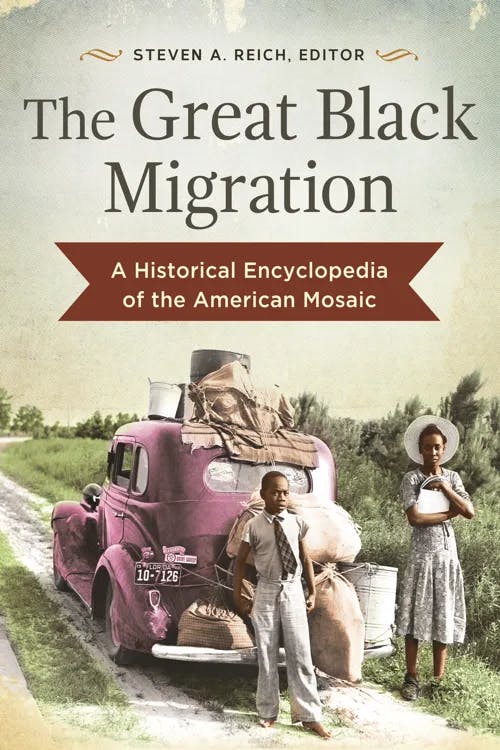
Edited by Steven A. Reich
The expansion of urban, black communities made possible black political mobilization and realignment, the growth of black business and capital, the emergence of new trends in black art, literature, and culture, and fostered a new mentality and outlook among African Americans that ultimately proved instrumental to the success of the civil rights movement later in the twentieth century. (Steven A. Reich, The Great Black Migration, 2014)
The Great Migration occurred in two waves: The first from 1910 to 1930 and the second from 1940 to 1970. After the 1929 stock market crash and the start of the Great Depression, the steady stream of Black Americans into the cities slowed, ending the first migration. Years later, in 1940, the second wave began. During World War II (1939–1944), manufacturing plants boomed as employment in agriculture plummeted in the South. This caused many Black families to once again move to larger cities, changing the landscape of the South:
The Second Great Migration decisively transformed the South. The earlier exodus had begun the shift from farms to cities. The second phase completed the process, all but eliminating black farm life in the South—indeed, in America. (James N. Gregory, "The Second Great Migration," African American Urban History since World War II, 2009)
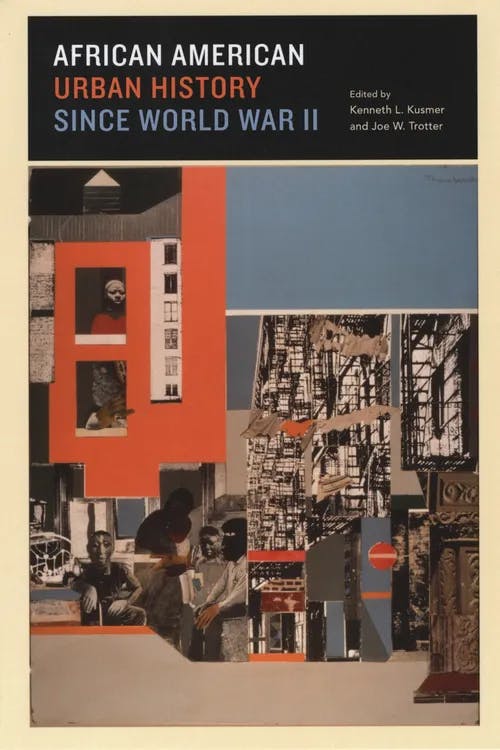
Edited by Kenneth L. Kusmer and Joe W. Trotter
The Second Great Migration decisively transformed the South. The earlier exodus had begun the shift from farms to cities. The second phase completed the process, all but eliminating black farm life in the South—indeed, in America. (James N. Gregory, "The Second Great Migration," African American Urban History since World War II, 2009)
During the second phase of migration, there were many manufacturing hubs in the West, prompting Black Americans to move to this region.
According to Ai-min Zhang in The Origins of the African-American Civil Rights Movement (2014), the Great Migration changed the Black experience in America:
The two great black migrations in America had profound effects on the fate of African Americans and the entire American historical process. In the course of the migrations, blacks made considerable progress in their economic conditions. The migrations raised levels of political awareness and contributed to a spirit of struggle.
Ai-min Zhang
The two great black migrations in America had profound effects on the fate of African Americans and the entire American historical process. In the course of the migrations, blacks made considerable progress in their economic conditions. The migrations raised levels of political awareness and contributed to a spirit of struggle.
In 1900, 90% of the Black population still lived in the South. By 1970, nearly half of Black Americans had moved to other regions of the country. The Great Migration saw many migrants moving to cities such as Chicago, Cleveland, Detroit, Philadelphia, Pittsburgh, and New York City. Migrants usually moved in parallel streams: those leaving Florida, Georgia, and the Carolinas usually ended up along the East Coast; migrants from Tennessee, Mississippi, and Alabama primarily relocated to midwestern states, while those from Arkansas, Texas, Oklahoma, and Louisiana most often settled along the West Coast (Keneshia N. Grant, The Great Migration and the Democratic Party, 2020).
This guide will explore the history of the Great Migration, including the causes for the migration, the challenges Black Americans faced, and the significance of the migration, highlighting how the Great Migration changed the lives of Black Americans and their descendants.
The causes of the migration
The reasons for the Great Migration varied from family to family. For some, the move meant a better financial future. Many families hoped to find jobs in the steel mills, automobile factories, on the railroads, or in meatpacking plants. Other families were seeking better schools and educational opportunities while others sought refuge from the racism and violence endured for generations in the South.
The Jim Crow laws
In the initial wave of the Great Migration, Black Americans had to venture to far-reaching areas of the country to escape the Jim Crow caste system in the South. This system determined what a Black American could or could not do in their community. Black Americans lived in poor housing conditions and some Southern states used literacy tests and held property requirements to make sure Black Americans could not vote. Black people who breached the Jim Crow laws risked being beaten or even lynched, and were victimized by domestic terrorist groups like the Ku Klux Klan:
Between the years 1889 and 1932, as many as 3,745 people were lynched—hanged outside the actions of the state, typically at the hands of a mob—in the United States. For more than 30 years, an average of two or three persons weekly were killed in this way. A large number of lynchings took place in the South, and the majority of the victims were African-American men. (Tim McNeese, The Era of Jim Crow, 2021)
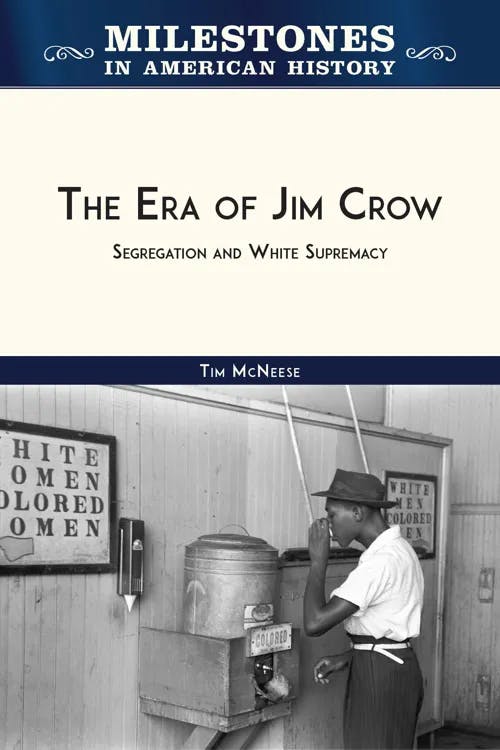
Tim McNeese
Between the years 1889 and 1932, as many as 3,745 people were lynched—hanged outside the actions of the state, typically at the hands of a mob—in the United States. For more than 30 years, an average of two or three persons weekly were killed in this way. A large number of lynchings took place in the South, and the majority of the victims were African-American men. (Tim McNeese, The Era of Jim Crow, 2021)
Part of the reasoning behind the Jim Crow laws was to maintain economic order in the South. Black Americans provided an oversupply of cheap labor to work the farmlands across the South. However, at the time of the first wave of the Great Migration, the North was experiencing a labor problem. The cities had been relying on European immigrants for cheap labor but with the advent of WWI, European immigration essentially came to a halt. Northern factories and steel mills searched for cheap labor in the US, recruiting Black Americans in the South to join the labor forces in the North.
(You can learn more about the discriminatory Jim Crow laws in our study guide “What was the American Civil Rights Movement?”)
Sharecropping
As previously mentioned, prior to the second wave of the Great Migration, many Black Americans in the South worked on farms. However, they were not paid for their work. Instead, they were given “the right” to live on the land they worked tirelessly on. They were victims of sharecropping, a system in which a farmer allows a tenant to work the land in exchange for a share of the crops produced on the land. Sharecropping was not only a problem for those involved in it, but for the entire South as a whole:
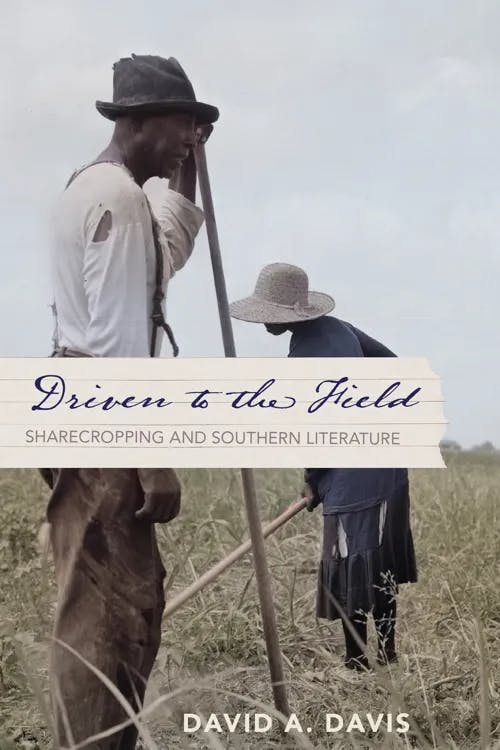
Sharecropping enforced poverty for millions of southerners, which in turn lowered the region’s rate of economic development and per capita income. It also substantially lowered the region’s literacy rates, access to healthcare, life expectancy, and infant mortality. Disenfranchising millions of African Americans, meanwhile, greatly hampered the region’s political influence and moral authority. With the exception of a number of bales of cotton picked, every aspect of sharecropping was deleterious. (David A. Davis, Driven to the Field, 2023)
David A. Davis
Sharecropping enforced poverty for millions of southerners, which in turn lowered the region’s rate of economic development and per capita income. It also substantially lowered the region’s literacy rates, access to healthcare, life expectancy, and infant mortality. Disenfranchising millions of African Americans, meanwhile, greatly hampered the region’s political influence and moral authority. With the exception of a number of bales of cotton picked, every aspect of sharecropping was deleterious. (David A. Davis, Driven to the Field, 2023)
(You can learn more about the effects of sharecropping techniques in other parts of the world, specifically crofting in Scotland, in our study guide “What were the Highland Clearances?”)
Even Black Americans who owned land had to deal with unpredictable seasons, harvests, and pests, like the boll weevil which feeds on cotton and can ruin crops. Farming had become less sustainable and less profitable. After years of being in cyclical, endless debt to landowners, Black Americans felt compelled to relocate and seek a better life elsewhere, prompting the second wave of migration:
Between 1940 and 1945, the South’s farm population dropped by about 22 percent or three million people. However, it should be emphasized that this large migration from the South was not merely a consequence of the “pull” of increased job opportunities elsewhere, but also reflected the fact that sharecroppers and tenants had already been displaced or forced off the land, only to be reclaimed as needed for the harvest period. Hence their incomes from agricultural labor had been substantially reduced [...] (Susan Archer Mann, Agrarian Capitalism in Theory and Practice, 2017)
Susan Archer Mann
Between 1940 and 1945, the South’s farm population dropped by about 22 percent or three million people. However, it should be emphasized that this large migration from the South was not merely a consequence of the “pull” of increased job opportunities elsewhere, but also reflected the fact that sharecroppers and tenants had already been displaced or forced off the land, only to be reclaimed as needed for the harvest period. Hence their incomes from agricultural labor had been substantially reduced [...] (Susan Archer Mann, Agrarian Capitalism in Theory and Practice, 2017)
Backlash to the resettlement
Resistance upon leaving the South
When Black Americans began migrating at the start of the century, white landowners became concerned as Black labor was the backbone of the South’s economic infrastructure. Farmers began raising wages to stop Black families from moving. Some even asked newspapers to write negative stories about Black life in the North in an attempt to manipulate Black families into staying, while others blocked buses, trains, and other public transport filled with Black people to intimidate those trying to leave. Some Black people were even arrested as they tried to flee. Though slavery had ended decades before, the sentiment that white people had the authority to subjugate and intimidate Black people was still ingrained in Southern society:
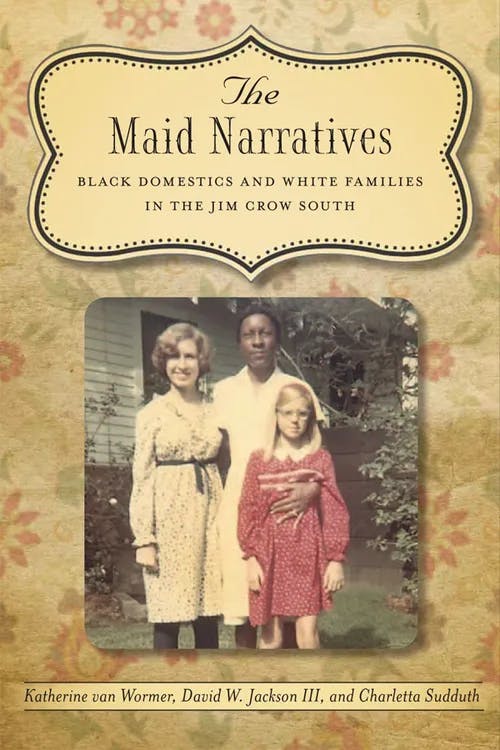
Regardless of the laws, the way of life and the unwritten rules that had developed under slavery for the slaveholding whites continued, according to Handley, in the postbellum period. The attitudes were passed down from generation to generation, often mother to child. (Katherine Van Wormer, David W. Jackson, and Charletta Sudduth, The Maid Narratives, 2012)
Katherine Van Wormer, David W. Jackson, and Charletta Sudduth
Regardless of the laws, the way of life and the unwritten rules that had developed under slavery for the slaveholding whites continued, according to Handley, in the postbellum period. The attitudes were passed down from generation to generation, often mother to child. (Katherine Van Wormer, David W. Jackson, and Charletta Sudduth, The Maid Narratives, 2012)
Black Americans saw this reaction to their migration as an example of how important it was for them to leave, for safety and stability reasons.
Resistance upon arriving in the North
As the Black population rose in cities in the urban South, North, and West, many cities became more and more integrated. This caused tension as immigrants and Black people had to compete over jobs as well as housing and other resources. Workers who belonged to unions which had formerly barred the membership of Black Americans were resentful and concerned about Black Americans taking over their skilled jobs. Some workers refused to work alongside Black Americans or would facilitate work stoppages to block their participation in a predominantly white workforce. In one instance in Illinois, many Black Americans were killed at the hands of rioters:
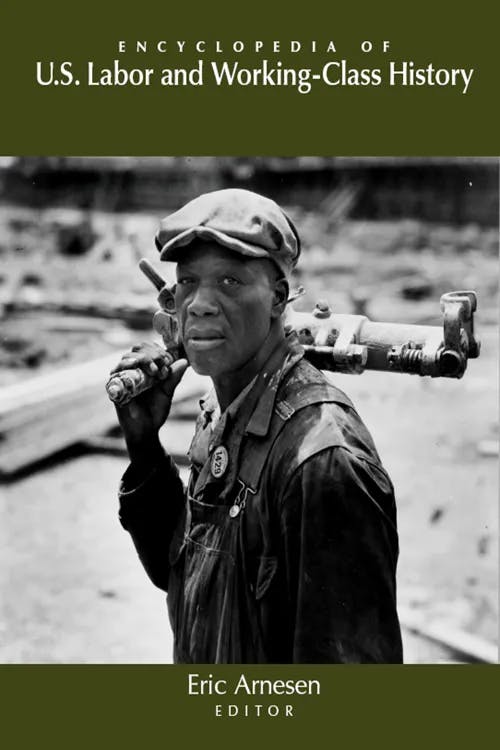
Striking white workers in East St. Louis, Illinois, took out their fury on black migrants during a bitter labor conflict in July 1917. Although no precise figures are available, contemporaries estimated that from 40 to 200 blacks were killed by white rioters, while 6,000 blacks were driven from their homes. (Eric Arnesen, Encyclopedia of U.S. Labor and Working-Class History, 2006)
Edited by Eric Arnesen
Striking white workers in East St. Louis, Illinois, took out their fury on black migrants during a bitter labor conflict in July 1917. Although no precise figures are available, contemporaries estimated that from 40 to 200 blacks were killed by white rioters, while 6,000 blacks were driven from their homes. (Eric Arnesen, Encyclopedia of U.S. Labor and Working-Class History, 2006)
As the second wave began, racism continued to loom in the North. In some neighborhoods, white families actually moved away once Black Americans moved in. Black Americans further experienced housing discrimination, with practices such as redlining, and segregation in their communities, leaving many feeling uncertain and concerned about the future of their new neighborhoods:
As white faces become fewer and white neighbors load their moving trucks with the pretense of searching for “bigger homes with more space,” “smaller homes for empty nesters,” or “lower taxes,” black residents become doubtful of whites’ stated motives for leaving. After all, why do all of the whites want to downsize or upgrade right now? The pioneers who have saved and taken the risk to buy homes in an unfamiliar community often wonder what their futures hold. (Rachael A. Woldoff, White Flight/Black Flight, 2011)
Rachael A. Woldoff
As white faces become fewer and white neighbors load their moving trucks with the pretense of searching for “bigger homes with more space,” “smaller homes for empty nesters,” or “lower taxes,” black residents become doubtful of whites’ stated motives for leaving. After all, why do all of the whites want to downsize or upgrade right now? The pioneers who have saved and taken the risk to buy homes in an unfamiliar community often wonder what their futures hold. (Rachael A. Woldoff, White Flight/Black Flight, 2011)
The significance of the Great Migration
Despite the backlash Black Americans faced in their new cities, urban centers became important cultural meccas for Black Americans, especially in the first wave of the Great Migration. With an almost exclusively Black population, Harlem, a neighborhood in New York City, became a hub for Black artists, actors, poets, writers, musicians, and creatives, all seeking to redefine what it meant to be Black in America. This period in history became known as the Harlem Renaissance:
The Harlem Renaissance was the most significant event in African American literature and culture in the twentieth century. While its most obvious manifestation was as a self-conscious literary movement, it touched almost every aspect of African American culture and intellectual life in the period from World War I to the Great Depression. Its impact redefined black music, theater, and the visual arts [...] (Cary D. Wintz, "Series Introduction," Remembering the Harlem Renaissance, 2013)
Edited by Cary D. Wintz
The Harlem Renaissance was the most significant event in African American literature and culture in the twentieth century. While its most obvious manifestation was as a self-conscious literary movement, it touched almost every aspect of African American culture and intellectual life in the period from World War I to the Great Depression. Its impact redefined black music, theater, and the visual arts [...] (Cary D. Wintz, "Series Introduction," Remembering the Harlem Renaissance, 2013)
The Harlem Renaissance revitalized the struggle for civil rights through the voices of Black Americans like W.E.B. Du Bois and organizations like the NAACP. Black Americans expressed their pride in being Black and with this a racial consciousness and more militant political approach took hold amongst young Black Americans. It also established the urbanization of Black Americans, which had begun with the first wave. (You can learn more in our study guide “What is the Harlem Renaissance?”)
As they relocated, Black Americans brought their culture with them, including the soulful, spiritual blues music they had passed on for generations in the Deep South. Jazz music was a direct result of the Great Migration. New genres of music blending these melodies grew out of this renaissance of Black voices.
During both waves of the Great Migration, Black Americans established churches, newspapers, businesses, and political organizations to uplift Black voices. The Black American newspaper, the Chicago Defender, appealed to Black families in the South, noting the job opportunities available in the North as well as the safety Black families would experience once they escaped the racism of the South. Black people who had settled in their new cities wrote to their families and friends in the South in an effort to convince them to resettle, noting economic prosperity and social and political opportunities as reasons to move. The Chicago Defender helped join the wider Black American community together and enlightened a national audience on the literary talents of writers like Langston Hughes and Willard Motley:
The newspaper’s influence on the Great Migration is well documented. In addition, Defender reports and editorials were a vital source of information and helped spark race activism locally and nationally. It could even be argued that the Defender helped create a wider, national African America by publishing society news about every black community in the country from Pocatello to Harlem. (Hilary Mac Austin, "The Defender Brings You the World," The Black Chicago Renaissance, 2012)
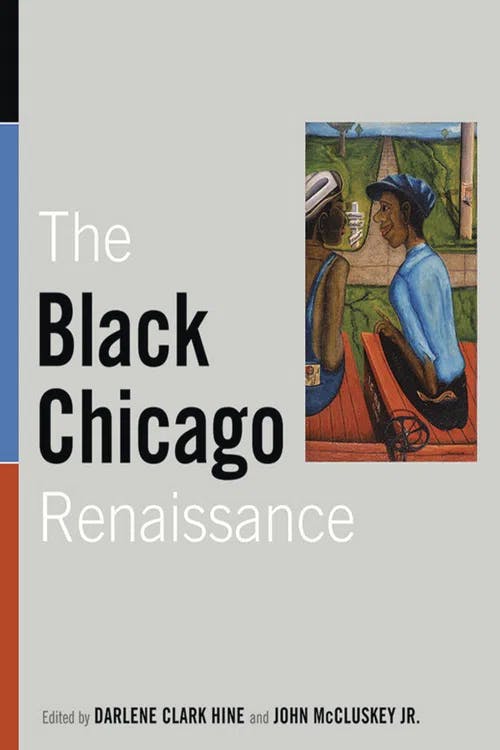
Edited by Darlene Clark Hine and John McCluskey Jr.
The newspaper’s influence on the Great Migration is well documented. In addition, Defender reports and editorials were a vital source of information and helped spark race activism locally and nationally. It could even be argued that the Defender helped create a wider, national African America by publishing society news about every black community in the country from Pocatello to Harlem. (Hilary Mac Austin, "The Defender Brings You the World," The Black Chicago Renaissance, 2012)
Lasting impressions
The demographics of the South changed dramatically due to the Great Migration. Every Southern state experienced a decrease in the Black American population in rural areas especially. Black Americans made up more than half of the population in states like South Carolina and Mississippi before the first wave. However, by the end of the second wave, the numbers had reduced significantly across the Southern states:
Migration peaked in the 1940s and 1950s; during these two decades alone, 28 percent of the southern black population left the region. By 1970, for the first time in American history, a majority of the country’s black residents lived outside the South, with 45 percent living in the Northeast and Midwest and 8 percent in the West. (Leah Platt Boustan, Competition in the Promised Land, 2016)
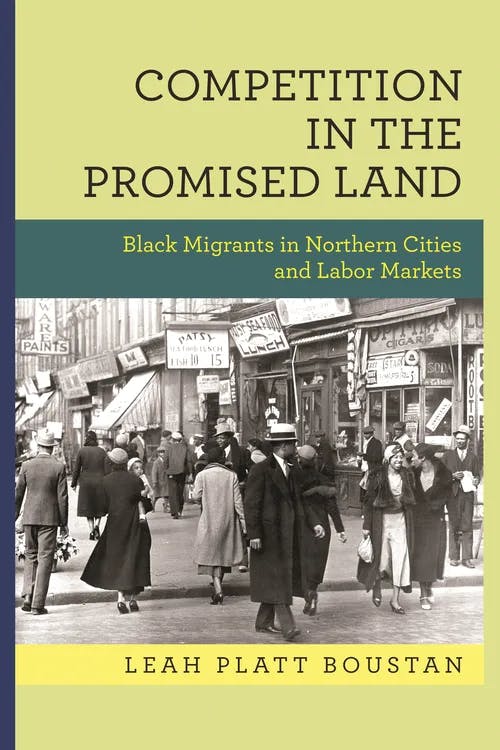
Leah Platt Boustan
Migration peaked in the 1940s and 1950s; during these two decades alone, 28 percent of the southern black population left the region. By 1970, for the first time in American history, a majority of the country’s black residents lived outside the South, with 45 percent living in the Northeast and Midwest and 8 percent in the West. (Leah Platt Boustan, Competition in the Promised Land, 2016)
In the second wave of the Great Migration, Black Americans changed the South through their activism during the civil rights movement of the 1950s and 1960s, bringing to light the atrocities continuously committed on Black people and changing laws related to this maltreatment. In recent years, there has been a trend of Black families moving out of the cities and back to the South as educational opportunities and jobs are more readily available. These families are able to thrive and embrace their culture and heritage in a part of the country where their ancestors were once persecuted:
[...] It is reasonable to expect that some of the movement of blacks from the North to the South is due to a desire to escape the unemployment, poverty, crime, and blight of the northern ghettos. Racial problems, once a major deterrent to black migration to the South, may now be perceived as equally severe in the North. Blacks may be seeking warmer climates and more pleasant living environments. The expansion of industry in the South and declining employment opportunities in the North may encourage blacks to move south. (Ronald W. Snow, "Recent Migrations to Mississippi," Perspectives on the American South, 2021)
Edited by Merle Black and John Shelton Reed
[...] It is reasonable to expect that some of the movement of blacks from the North to the South is due to a desire to escape the unemployment, poverty, crime, and blight of the northern ghettos. Racial problems, once a major deterrent to black migration to the South, may now be perceived as equally severe in the North. Blacks may be seeking warmer climates and more pleasant living environments. The expansion of industry in the South and declining employment opportunities in the North may encourage blacks to move south. (Ronald W. Snow, "Recent Migrations to Mississippi," Perspectives on the American South, 2021)
Writers and historians, like American journalist Isabel Wilkerson who penned The Warmth of Other Suns (2011), have likened the Great Migration to a refugee crisis. Like most refugees around the world, Black Americans were displaced from their homes due to persecution, a lack of opportunities, and constant threats to their lives. They sought a better life elsewhere. Black Americans were forced to act like immigrants and seek asylum so that they could fulfill their potential and lead peaceful, fruitful lives. Ultimately, the Great Migration is a story of Black people trying to take control of their destinies in a country trying desperately to strip them of their rights and dignity as American citizens.
Further reading on Perlego
Ain't Got No Home: America's Great Migrations and the Making of an Interracial Left (2014) by Erin Royston Battat
Exploring Chicago Blues: Inside the Scene, Past and Present (2012) by Rosalind Cummings-Yeates
The First Migrants: How Black Homesteaders' Quest for Land and Freedom Heralded America's Great Migration (2023) by Richard Edwards and Jacob K. Friefeld
The Geography of Hate: The Great Migration through Small-Town America (2023) by Jennifer Sdunzik
Land of Hope: Chicago, Black Southerners, and the Great Migration (2011) by James R. Grossman
Migrating Fictions: Twentieth-Century Internal Displacements and Race in U.S. Women's Literature (2018) by Abigail G. H. Manzella
The Southern Diaspora: How the Great Migrations of Black and White Southerners Transformed America (2006) by James N. Gregory
Wandering in Strange Lands: A Daughter of the Great Migration Reclaims Her Roots (2021) by Morgan Jerkins
The Great Migration FAQs
What was the Great Migration?
What was the Great Migration?
What caused the Great Migration?
What caused the Great Migration?
What is the significance of the Great Migration?
What is the significance of the Great Migration?
How did the Great Migration affect the country?
How did the Great Migration affect the country?
Bibliography
Arnesen, E. (2006) Encyclopedia of U.S. Labor and Working-Class History. Routledge. Available at: https://www.perlego.com/book/1710427
Austin, H. M. "The Defender Brings You the World," (2012) in Hine, D. C. and McCluskey Jr., J. (eds) The Black Chicago Renaissance. University of Illinois Press. Available at: https://www.perlego.com/book/2382930
Boustan, L. P. (2016) Competition in the Promised Land: Black Migrants in Northern Cities and Labor Markets. National Bureau of Economic Research Publications. Princeton University Press. Available at: https://www.perlego.com/book/739636
Davis, D. (2023) Driven to the Field: Sharecropping and Southern Literature. University of Virginia Press. Available at: https://www.perlego.com/book/3801814
Grant, K. (2020) The Great Migration and the Democratic Party: Black Voters and the Realignment of American Politics in the 20th Century. Temple University Press. Available at: https://www.perlego.com/book/2040089
Gregory, J. N. (2009) "The Second Great Migration: A Historical Overview," in Kusmer, K. and Trotter, J. W. (eds.) African American Urban History since World War II. University of Chicago Press. Available at: https://www.perlego.com/book/1852671
Mann, S. A. (2017) Agrarian Capitalism in Theory and Practice. The University of North Carolina Press. Available at: https://www.perlego.com/book/539687
McNeese, T. (2021) The Era of Jim Crow: Segregation and White Supremacy. Chelsea House. Available at: https://www.perlego.com/book/3769203
Reich, S. (2014) The Great Black Migration: A Historical Encyclopedia of the American Mosaic. Greenwood. Available at: https://www.perlego.com/book/4174670
Snow, R. W. (2021) "Recent Migrations to Mississippi," in Black, M. and Reed, J. S. (eds.) Perspectives on the American South: An Annual Review of Society, Politics, and Culture. Volume 1. Routledge. Available at: https://www.perlego.com/book/3040828
Wilkerson, I. (2011) The Warmth of Other Suns: The Epic Story of America’s Great Migration. Penguin Random House.
Wintz, C. (2013) Remembering the Harlem Renaissance. Routledge. Available at: https://www.perlego.com/book/1622042
Woldoff, R. (2011) White Flight/Black Flight: The Dynamics of Racial Change in an American Neighborhood. Cornell University Press. Available at: https://www.perlego.com/book/534578
Wormer, K. V., Jackson, D. and Sudduth, C. (2012) The Maid Narratives: Black Domestics and White Families in the Jim Crow South. LSU Press. Available at: https://www.perlego.com/book/876855
Zhang, A. (2014) The Origins of the African-American Civil Rights Movement. Routledge. Available at: https://www.perlego.com/book/1660622
MA, History (University of Edinburgh)
Hannah Hamill has a PGDE in Secondary Education (History) from the University of Glasgow and a Master’s degree in History from the University of Edinburgh. She also received a Bachelor’s degree in English from Belmont University. Her research interests include The Troubles in Northern Ireland, Medieval Britain, the American Civil War, and immigration to the southern United States. Her dissertation examined loyalist and republican women’s involvement during The Troubles.